
The phrase “you are what you eat” takes on a different meaning when you consider where food gets its nutrients in the first place. Fruits, vegetables, grains, and even animal foods ultimately depend on the health of the soil they come from. But a growing body of research has raised an intriguing question: Are the foods we eat today as nutrient-dense as they once were?
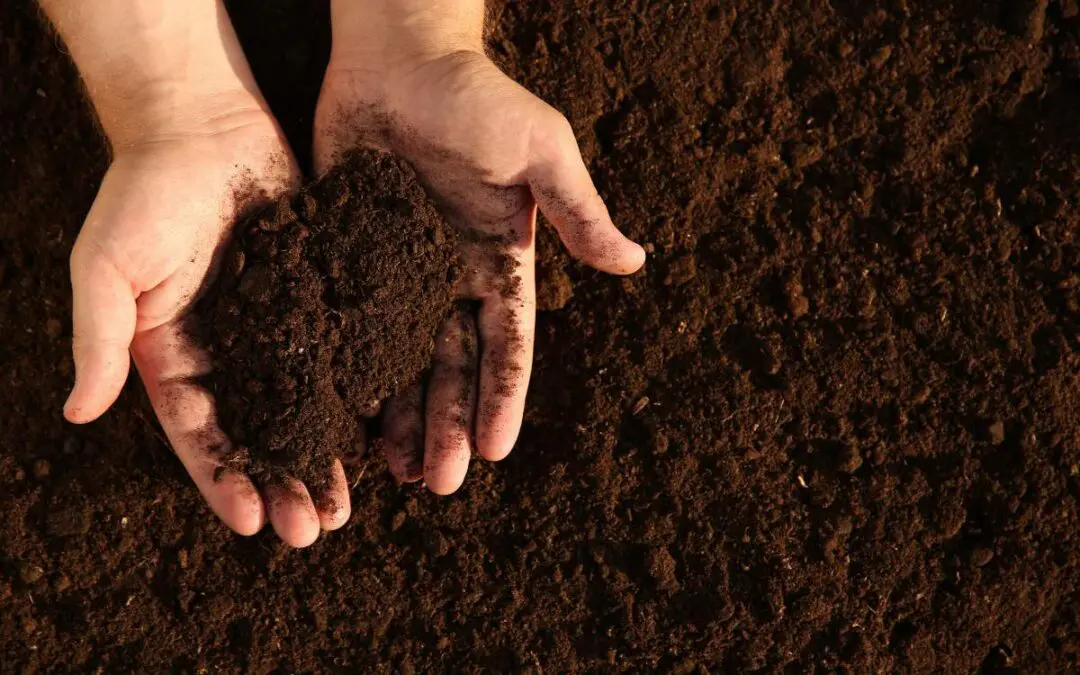
That question has brought renewed attention to the ground beneath our feet. Healthy soil does far more than anchor plant roots; it supplies the minerals that help shape the nutritional value of the foods we eat. When soil composition changes, the nutrient profile of crops can change as well. While today’s food supply still provides many essential nutrients, concerns about soil health and modern agricultural practices have sparked new conversations about the quality, not just the quantity, of our food.
It also raises an important question: if the minerals in our soil are changing, what does that mean for the nutrients on our plates?
Are Minerals in Food Declining?
The idea that modern foods may contain fewer nutrients than they once did isn’t just anecdotal. A landmark study published in the National Library of Medicine compared USDA nutrient data from 1950 and 1999 and found measurable declines in several nutrients, including protein, calcium, phosphorus, iron, riboflavin, and vitamin C in 43 garden crops.
More recently, a 2024 review described the decline in the nutritional quality of foods as a growing concern and concluded that many fruits, vegetables, and food crops have experienced reductions in certain minerals and other beneficial compounds over the past several decades. Researchers point to a combination of factors, including modern agricultural practices, high-yield crop varieties, environmental changes, and soil health.
As concerns about food quality and nutrient density grow, some experts believe the changes are already affecting what ends up on our plates. Kristie Ebi, a professor at the University of Washington’s Center for Health and the Global Environment, told The Washington Post: “The diets we eat today have less nutritional density than what our grandparents ate, even if we eat exactly the same thing.”
Why Soil Depletion Happens
Soil doesn’t lose nutrients overnight. Instead, a combination of agricultural and environmental factors can gradually change the health and mineral composition of the land over time.
Intensive Agriculture and Repeated Cropping
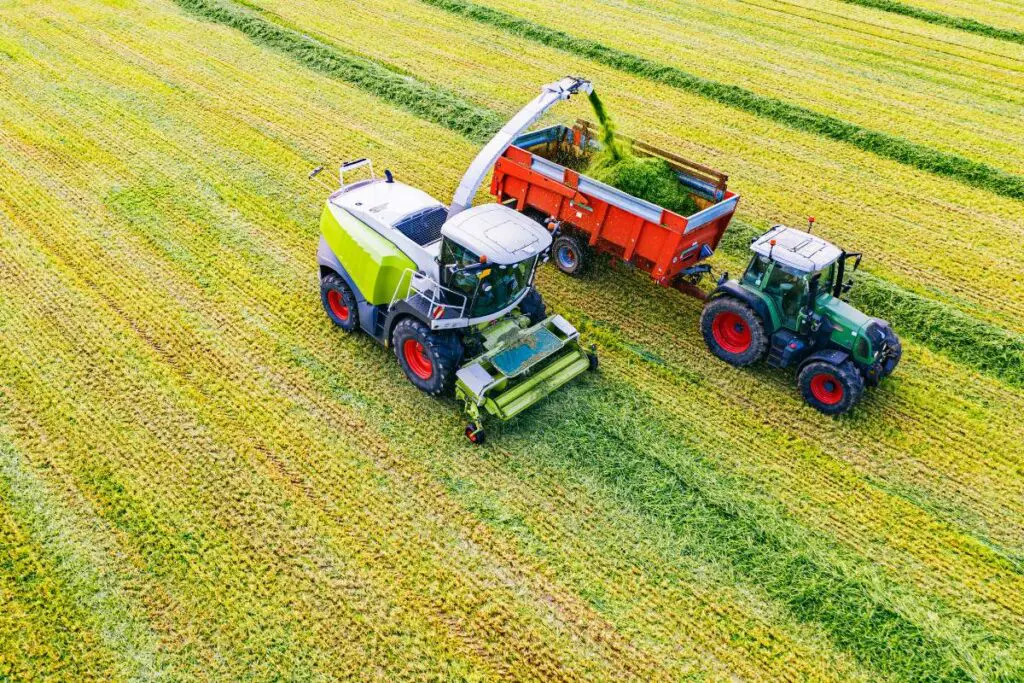
Modern farming produces more food than ever before, but repeated harvesting also removes nutrients from the land. If those nutrients aren’t replenished, soil fertility can gradually decline. The Food and Agriculture Organization of the United Nations (FAO) notes that many farming systems have historically “mined” soils through continuous cropping and insufficient restoration of organic matter, disrupting nutrient cycling over time.
Soil Erosion and Loss of Organic Matter
Healthy soil is a living ecosystem rich in organic matter and microorganisms that help store water and nutrients. According to the FAO, erosion, excessive tillage, and the removal of crop residues can accelerate the loss of organic matter, leaving soils less resilient and less efficient at supplying nutrients to plants.
Reduced Biodiversity in Farming Systems
Beneath every healthy field is a complex network of microbes, fungi, insects, and other organisms that support nutrient cycling and soil fertility. According to the FAO’s Biodiversity For Food And Agriculture Report, many of these vital components are in decline worldwide, potentially weakening some of the natural processes that help maintain healthy soils.
Reliance on a Narrower Range of Crops
Today’s food supply depends on a surprisingly small number of plants. The FAO reports that more than 6,000 plant species have historically been cultivated for food, yet fewer than 200 contribute significantly to global food production today, and just nine crops account for roughly two-thirds of total crop production.
A narrower food system can mean less agricultural diversity and fewer opportunities to obtain a wide range of nutrients from the foods we eat.
What You Can Do About It
Concerns about soil health and nutrient density don’t mean the modern food supply is devoid of nutrition or that every meal needs to be scrutinized. Instead, they offer an opportunity to be more intentional about the quality and variety of the foods we eat. While no single food or habit can solve the complex issue of soil depletion, a few practical strategies can help support a more mineral-rich, nutrient-dense diet.
Consider Where Your Food Comes From
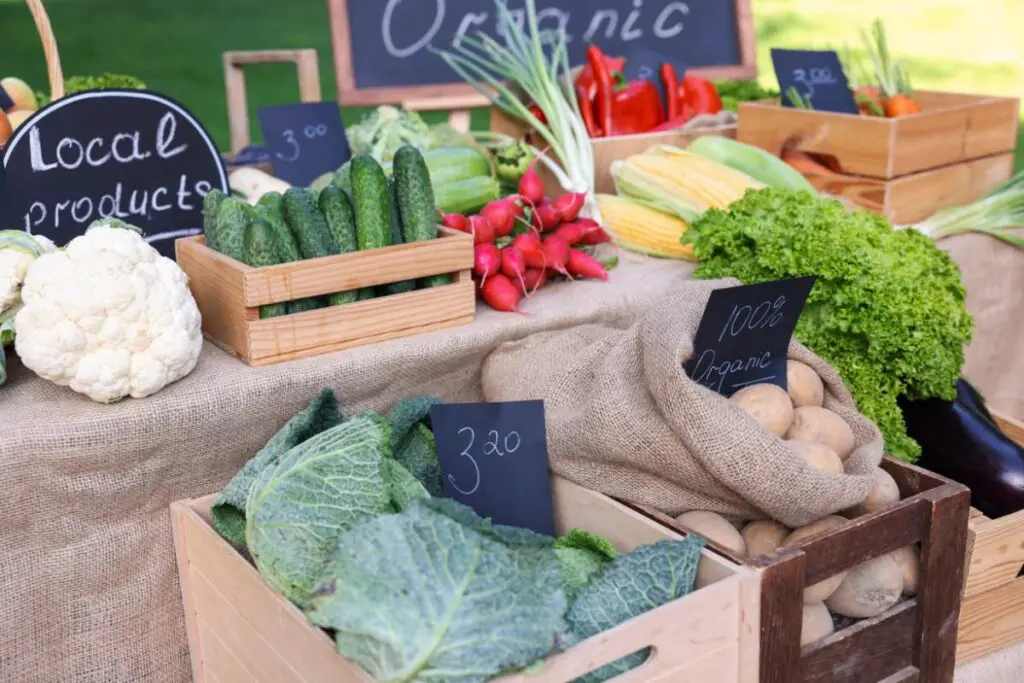
Where food is grown can matter, too. Seasonal and locally produced foods may spend less time in storage and transportation, and growing interest in regenerative agriculture reflects a desire to support farming practices that prioritize soil health and biodiversity.
Growing your own food, even just a few herbs or vegetables, can offer a new appreciation for the relationship between healthy soil and nutrient-dense foods.
Eat a Wide Variety of Whole Foods
No single food contains every mineral the body needs. Eating a wider range of foods naturally increases your exposure to different vitamins, trace minerals, and plant compounds, which is why dietary diversity is often associated with better overall nutrient intake. A practical goal is to “eat the rainbow” and rotate your protein sources, grains, fruits, and vegetables throughout the week.
Prioritize Nutrient-Dense Foods
Some of the most nutrient-dense foods include seafood, eggs, leafy greens, nuts, seeds, and legumes. These foods provide a variety of minerals and other nutrients that support everyday health, making them a simple foundation for a more mineral-rich diet.
Support Soil Health Through Food Choices
The concept of remineralization focuses on restoring the health and nutrient content of soils through practices that rebuild organic matter and improve ecosystem function. While no single farming approach is the answer, growing interest in regenerative agriculture highlights an important idea: healthier soils can help support healthier food systems.
Consider Additional Mineral Support
Food should always be the foundation of nutrition, but modern soil conditions have decreased the nutrient density of even the best diets. Supporting our bodies with the minerals that our depleted soils are deprived of can help us perform as we are designed to.
CHOQ Minerals are designed to supercharge everyday mineral intake as part of a broader wellness routine, not as a replacement for whole foods. The goal isn’t to replace healthy eating habits, but to help round out an overall approach that prioritizes food quality, hydration, and dietary diversity.
Looking Beneath the Surface of Nutrition
When we think about healthy eating, we often focus on what’s on our plate: protein, vegetables, vitamins, and minerals. But the quality of our food begins much earlier, in the health of the soil that supports it.
Modern food systems have sparked important conversations about nutrient density and whether it has become harder to consistently obtain certain minerals from the foods we eat. While there is no single solution to a challenge as complex as soil depletion, paying attention to food quality, dietary variety, and the health of the ecosystems that produce our food offers a broader and more thoughtful approach to nourishment.