
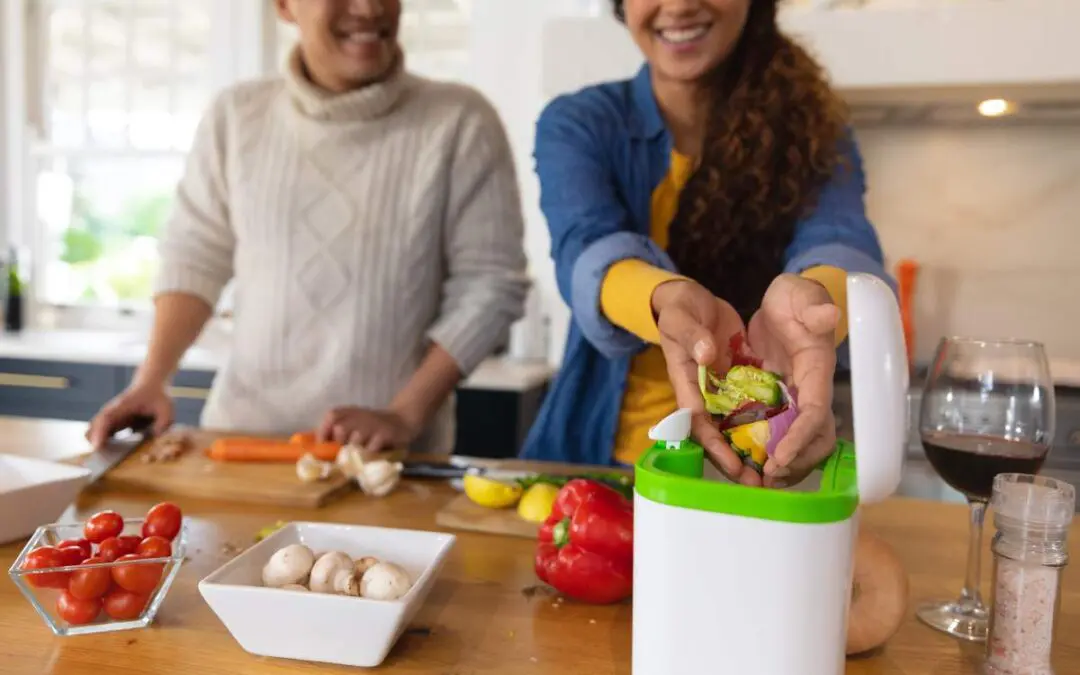
With wildfires, soil depletion, and food costs spiking, composting is not just reserved for hardcore homesteaders and suburban gardeners. It’s a practical skill for anyone serious about taking control of their household ecosystem.
Composting reinforces a habit of intention, rewiring your brain toward consistency and care, while repurposing “waste” for use as a potent organic fertilizer. Composting is a powerful act that is easier than you think, and yes, you can do it even if you live in a 400-square-foot apartment with roommates and no balcony. Here’s how.
Indoor vs. Outdoor Composting
Composting is about honing in a simple system to turn waste into a potent natural regeneration tool. Anyone can do it. Whether you’ve got a backyard with raised beds or a rental kitchen with no ventilation, composting can flex to fit. The key is choosing the right method for your space.
Outdoor Composting
If you’ve got access to even a small outdoor space, think backyard, side alley, or shared garden, outdoor composting is your most scalable option. Start by choosing the right container:
- Compost tumbler: Best for enclosed, easy-turn composting with minimal effort. Great for patios or small backyards.
- Basic bin with ventilation holes: A low-cost, DIY option that keeps compost contained while allowing airflow.
- Open pile on bare soil: Ideal for larger, private spaces. Use wood planks or wire mesh to keep the pile contained and tidy.
Make sure you pick a location with shade and appropriate airflow. Too much sun will dry out your pile, and poor ventilation leads to rot. Place it directly on dirt to speed up decomposition and invite helpful microbes and worms. Compost is especially valuable if you’re building a no-dig garden, where organic matter is added to the soil surface instead of tilled in.
Now, your ongoing job is to build the pile in layers. First, brown, dry materials like leaves and shredded cardboard as a base. Follow that with a layer of food scraps, and continue to alternate between the two to suppress odor and balance the mix. From there, all you need to do is turn the pile with a pitchfork once a week.
Indoor Composting
Composting indoors works just as well, but needs a little more structure. The key is containment and consistency. Because you’re working in close quarters, odor control and pest prevention are essential. To keep things clean and simple:
- Freeze food scraps until you’re ready to process or drop them off.
- Line your bin with newspaper or brown paper to absorb moisture.
- Rinse and dry the bin regularly to prevent buildup.
Next, choose a method. The most hands-off option is an electric composter– these devices process scraps overnight into a dry material. Though it’s not technically compost, it reduces waste volume and is perfect for small spaces. If you prefer a low-cost method, use a sealed countertop bin and either drop off your scraps weekly or transfer them to an outdoor or community system. The most naturally aligned option is vermicomposting: keep worms (usually red wigglers) in a contained bin under your sink or in a closet. They process food scraps quickly and without smell, and their output– called worm castings– is excellent for house plants.
What Goes In and What Doesn’t
Even the best compost set up fails if the wrong stuff goes in. Knowing what to toss in and what to keep out is a non-negotiable. Hard no’s that you might be surprised to know:
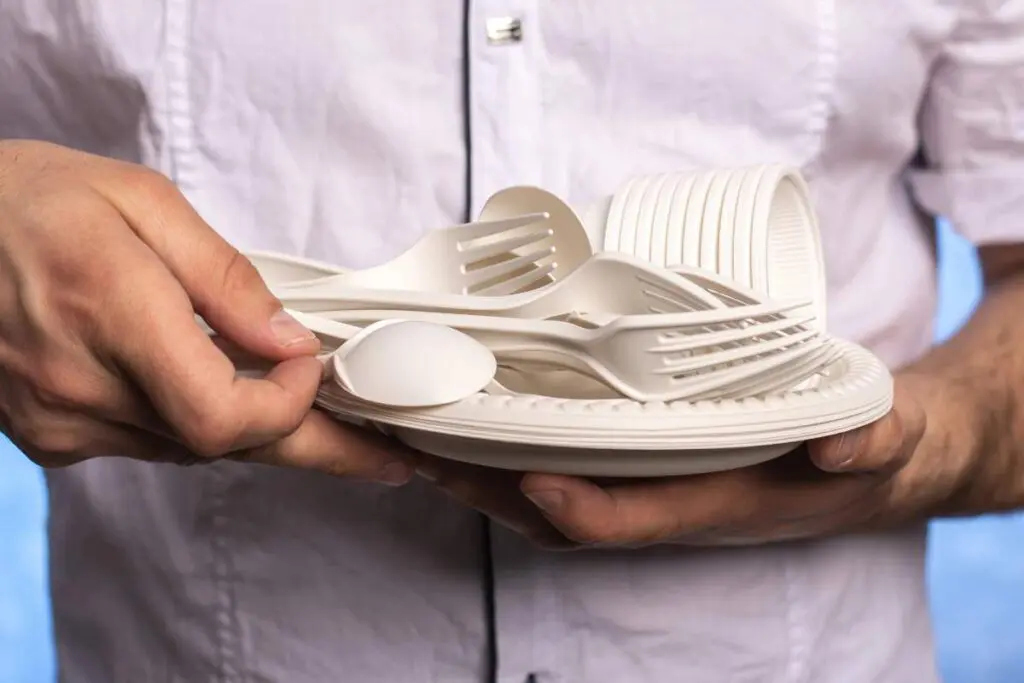
- Compostable Plastics (PLA Cups, Utensils): The label looks green, but these bioplastics need commercial-scale heat to break down. In a home pile, they’ll sit unchanged for years.
- Glossy or Coated Paper: Magazine pages and takeout boxes lined with plastic resist decomposition and can leach unwanted chemicals. Recycle them instead.
- Citrus Peels in Bulk: A little zest is fine, but large quantities spike acidity and slow microbial action. If you juice bags of oranges weekly, dry the peels for cleaning solutions or candy them, don’t dump them all in your bin.
All compost systems run on a balanced formula of carbon-rich “browns” and nitrogen-rich “greens.” Greens include food scraps and fresh plant waste like vegetable peels and ends, coffee grounds and filters, tea, crushed eggshells, and wilted herbs or salad greens. Browns are dry, fibrous materials like shredded cardboard and paper, dried leaves, paper towels or napkins, brown paper bags, and wood shavings.
Overcome the Big Three Barriers
The top three reasons that people avoid composting: “It stinks,” “It attracts bugs,” and “I don’t have time.” All valid concerns, of course… if you’re doing it wrong. When your system works, you won’t have these issues because composting isn’t inherently messy.
Smell
If your compost smells like rotting food, the culprit is simple: too many greens, not enough browns. Start by adjusting the ratio by covering every handful of food waste with twice as much dry material. Think of your browns as your compost’s deodorizer and structure-builder. Composting works best when the inputs are balanced and the system isn’t overloaded. A little stress regulation, for your bin and your brain, goes a long way toward keeping things running smoothly.
Also, keep airflow in check. Anaerobic piles smell worse, so if you’re using a lidded bin, open it every few days to stir and let oxygen in. For outdoor piles, turn them frequently to keep things breathing. If you’re still having trouble, freeze food scraps until you’re ready to compost them. This slows the decomposition and stops smells before they start.
Bugs and Rodents
Pests are a solvable design flaw. If bugs or animals show up, it means that something is attracting them. For outdoor systems, start with a bin that seals properly. Avoid open piles unless you can fully contain them with wire mesh. In general, skip all meat, dairy, or greasy food scraps entirely. These are magnets for scavengers and will never break down cleanly in a backyard bin.
For indoor bins, the same rules apply, but with even higher stakes. Electric composters and Bokashi systems practically eliminate pest issues by design. Both keep everything sealed and processed before bugs have a chance. If you live in a shared apartment and want zero chance of mess, those are your best bet.
Lastly, to prevent fruit flies:
- Rinse produce before tossing to remove eggs.
- Keep a small container of vinegar near the bin to trap strays.
- Crush and scatter eggshells inside the bin. They naturally deter flies and add calcium to the mix.

Lack of Time or Space
Composting sounds time-consuming until you actually do it. If time is the problem, treat composting like brushing your teeth. Two minutes a day: toss scraps into the bin and add a handful of browns… you’re done. If space is the problem, scale it down. A countertop bin lined with paper takes up less room than a toaster. Freeze your scraps in a reusable bag or container until you have time to compost or drop them off.
A good compost system reduces waste and it transforms it into something that feeds performance daily. Over time, this compounds into greater output, better soil, and more resilient growth. By building composting into your routine, you’re building a regenerative loop that amplifies energy with every cycle.
Commit to Composting
Composting is one of those rare habits that gives back more than it takes. Less trash, fewer smells, better soil, and better connection to the soil and the cycles of life. Your trash can be turned into a living treasure. Time to get started!