
If the phrase “compost tea” makes you picture your neighbor’s crystal-hugging cousin stirring a bucket in their Birkenstocks, it’s time for a reframe. Compost tea is a legit, science-backed method for naturally improving soil performance, boosting plant health, and getting more out of your garden naturally. The best part is that it’s low-cost, high-reward, and something you can start brewing at home with what’s already in your compost bin. Keep reading to learn exactly how this garden performance enhancer works and how to make it yourself.
What is Compost Tea?
Compost tea is a nutrient-rich liquid made by steeping high-quality compost in water. The result? A powerful extract teeming with beneficial microorganisms, enzymes, and soluble nutrients that will give your plants and soil a serious boost. Unlike chemical fertilizers that dump isolated nutrients into the ground, compost tea strengthens the soil’s microbial network and makes it more biologically active.
Aerated compost tea (ACT) uses an air pump to oxygenate water during brewing, resulting in higher microbial activity, reduced risk of harmful pathogens, and faster visible results. Non-aerated compost tea (NCT) is the old-school version that skips the air pump, ditches the need for electricity, and is great for casual use. That said, it also results in lower microbial diversity and a higher risk of anaerobic bacteria if left too long.
Why Does Compost Tea Work?
Soil is a living ecosystem and compost tea is the tune-up it needs to run at peak performance. A well-brewed tea delivers active microorganisms that help decompose organic material, fix atmospheric nitrogen, and unlock otherwise inaccessible nutrients in the soil. Importantly, it creates a feedback loop: healthier soil supports stronger roots, which in turn feed the soil biome, making the entire system more robust over time.
In conventional gardening, nutrients are dumped in all at once– often overfeeding the plant while undernourishing the soil. Compost tea boosts the microbial middlemen that convert organic matter into slow-release, plant-available forms. This promotes a more balanced, long-lasting nutrient cycle.
Compost tea also improves root structure. With a stronger microbial network, plants develop more extensive root systems that are better at absorbing moisture and nutrients, especially in sub-optimal conditions.
All of this adds up to stronger, faster-growing plants with greener foliage, more blooms, and better overall vitality. Just like your garden thrives when the soil is rich and balanced, the body performs best when it has the minerals it needs. Compost tea nourishes the underground network while Choq’s Irish Moss supports cellular function above ground with a full spectrum of essential minerals.

How Do You Make Compost Tea?
Compost tea sounds niche, but brewing it doesn’t require a lab coat or a chemistry degree. With a five-gallon bucket, quality compost, and a bit of time, you can create a potent soil enhancer loaded with living microbes. Before you begin, start with high-quality, mature compost. If your compost smells sour, is slimy, or contains undecomposed kitchen scraps, it won’t yield effective tea and could harm your plants instead.
Aerate Compost Tea is the gold standard for gardeners who want maximum microbial action. It’s ideal for foliar sprays or drenching soil around stressed or newly transplanted plants. To make ACT:
- Place about 4 cups of finished compost in a mesh bag or directly into a clean 5-gallon bucket.
- Add 4 gallons of dechlorinated water. Rainwater or tap water left out overnight works well.
- Insert an aquarium-style air pump with tubing and an air stone to oxygenate the brew.
- Add a microbial food source like unsulfured molasses (1 tablespoon) to feed the population.
- Let it bubble continuously for 24 to 36 hours, keeping it out of direct sun and checking for foam and activity.
- Once brewed, strain the liquid and use it immediately because the microbes lose effectiveness fast once the bubbling stops.
No air pump? No problem. NCT is the simpler route. It won’t have the same microbial diversity, but it still benefits your garden when used carefully. To make it:
- Combine 4 cups of compost and 4 gallons of water in a bucket.
- Stir thoroughly to suspend the compost and release microbes into the liquid.
- Over the next 3 to 5 days, continue stirring twice a day to keep things mixed and oxygenated.
- After brewing, strain it through a cloth or fine screen and apply promptly.

How Should You Use Compost Tea?
Brewing the compost tea is only half the battle. Applying it correctly is where the real gains happen. The best time to apply compost tea is early in the morning or late in the day because midday sun can degrade the microbes and dry out leaf surfaces quickly. Do this every 1-2 weeks and within 24-48 hours of transplanting or pruning. Avoid applying before rain or irrigation events because it can dilute or wash off the tea before it does its job.
There are three effective ways to use compost tea:
- Soil Drench: Pour directly at the base of plants, saturating the root zone. This is the most efficient method for boosting soil life and improving root health.
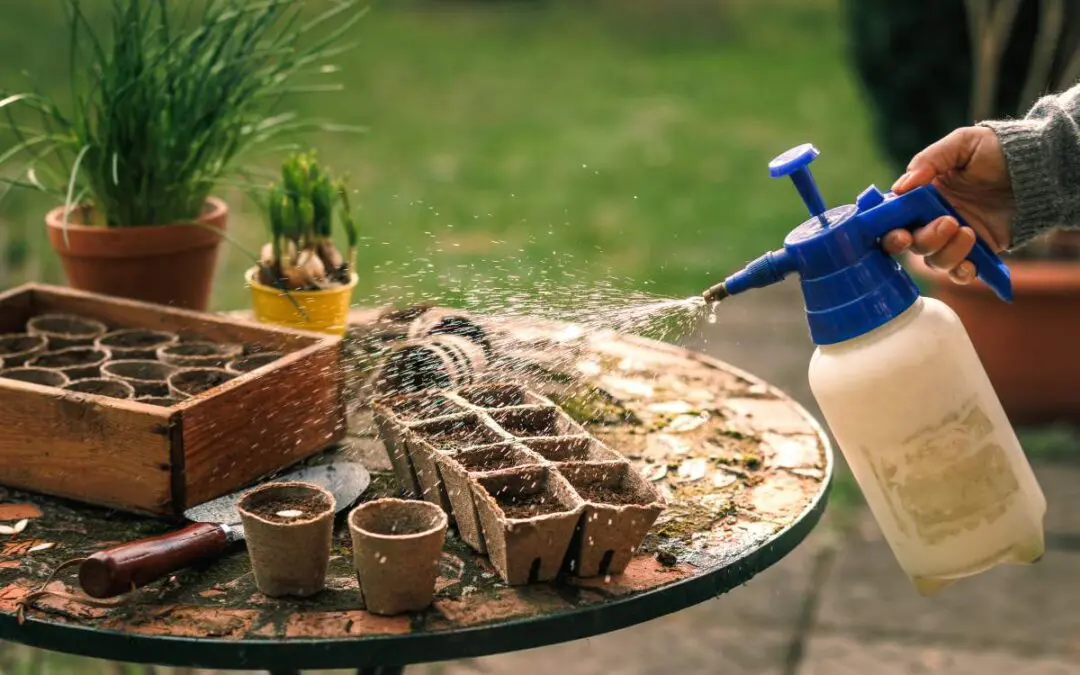
- Foliar Spray: Mist the leaves until runoff using a handheld or backpack sprayer. This allows beneficial microbes to colonize the leaf surface and outcompete pathogens.
- Seedling Dip: Before transplanting, dunk seedling roots in compost tea to inoculate them with microbes and reduce transplant shock.
To really make sure your compost tea is as effective as possible, make sure you shake or stir the tea gently before each application to evenly suspend the microbes. Make sure you clean your sprayer or watering can after each use to avoid cross-contamination. Lastly, remember that microbial populations drop sharply after 4-6 hours so applying immediately after brewing is most effective.
From Brew to Bloom
Your soil doesn’t need more chemicals, more fertilizer, or more guesswork. If soil depletion has left your garden lacking key nutrients, compost tea can be one way to support soil fertility. All it needs is compost tea delivered straight to the root zone and leaf surface, in a form plants can actually use. If you’ve already put effort into composting, this is the next logical step. Brew it, apply it, and watch your garden wake up.