
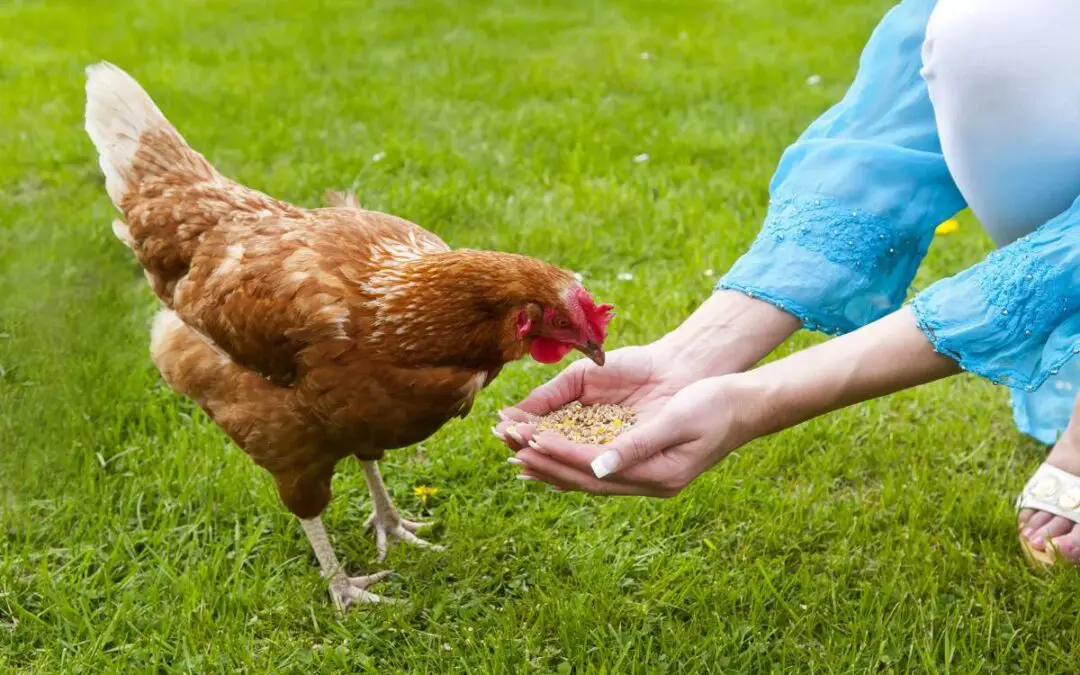
Homesteading influencers on Tiktok are keeping the back-to-the-land dream alive and well… romanticized by cottagecore reels, slow living content, and rugged substack writers. And while there is something deeply satisfying about collecting your own eggs or learning to read animal body language, there’s also manure. So… much… manure.
Animal husbandry is a system of responsibilities that touches every part of your day, energy, and land. If you’re ready to cut through the fantasy and get to the part where things actually work. Here are the most common mistakes people make when getting started, and how to avoid every single one.
Mistake #1: Romanticising the Farm Life
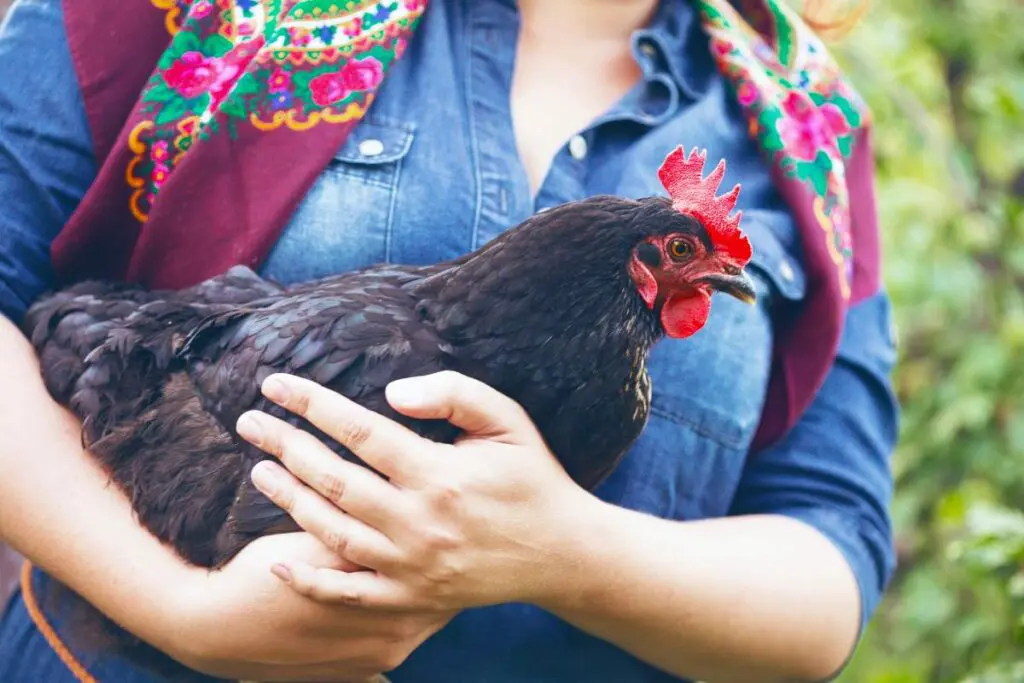
You’ve seen the photos: barefoot mornings, golden light, a chicken perched artfully on someone’s arm. What those photos don’t show? The 5:30 a.m. wake-up call to muck out a soggy shelter, mud caked on your car, or the panic when a goat breaks into the feed bin. Romanticizing farm life is the fastest way to set yourself up for burnout and disappointment.
Instead of chasing some idealised version of homesteading, redefine what success looks like in your first year. Hint: it’s not a thriving multi-species ecosystem with Instagram-worthy aesthetics. It’s a consistent effort, learning the skills you need to succeed, and adjusting your expectations. Start small and enjoy the learning process.
Mistake #2: Skipping the Basics of Animal Needs
Buying animals before understanding their daily requirements is like adopting a toddler without knowing they need naps and snacks (among many other things). Every species comes with specific needs: shelter size and design, feed types and feeding frequency, social behavior, health checks, seasonal requirements, and how much space they actually need to stay healthy.
Before you bring animals home, do this instead:
- Choose one species to start and get obsessed with understanding its needs.
- Visit at least one working homestead and ask uncomfortable questions: What would they do differently? What went wrong their first year?
- Create a daily checklist for their care.
Mistake #3: Getting Too Ambitious Too Fast
There’s a seductive logic to thinking, “If I’m already feeding chickens, I might as well get ducks.” That cascade of enthusiasm is how people end up overwhelmed, broke, and knee-deep in manure from animals they can’t manage. Remember that each species you add multiplies complexities: different feed schedules, housing needs, behavioral cues, and health risks. Before you even think about expanding:
- Run one full season, spring through winter, with your starter animals.
- Document all challenges: supply shortages, health scares, and burnout days.
- Use that intel to decide if you’re managing or just surviving.
- Build systems like checklists, backups, and support for your current load before increasing it.
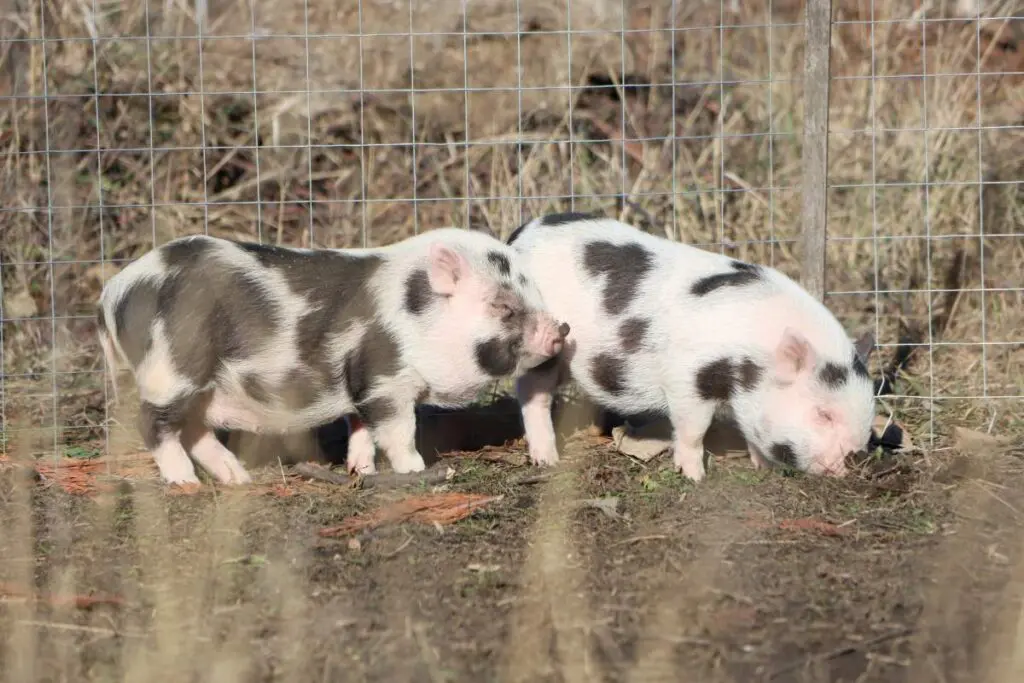
If you want this lifestyle to last, start with one or two hardy, low-maintenance species. Rhode Island Reds are reliable egg layers and resilient in different climates. If chickens aren’t for you, Nigerian Dwarf goats are small, friendly, and manageable for first time keepers. Alternatively, KuneKune pigs are slow growing, pasture-based, and less destructive.
Mistake #4: Underestimating the Time and Energy Required
Animals don’t take weekends off, and neither can you. They don’t care if you’re sick, tired, traveling, or burned out. They’ll still need water, shelter, and care. One of the biggest reasons people quit in the first year is the sheer, unrelenting constancy of it all.
The fix is a better designed schedule. Set up redundancies like stockpile feed, extra bedding, and backup water containers. Also automate what you can, including gravity feeders, automatic waterers, and solar coop doors. Don’t overlook the importance of a reliable sitter network of at least two reliable neighbours or friends who know how to care for your animals if you’re out of commission.
Most importantly, however, the real shift comes from supporting the energy systems you rely on to show up daily. For those early mornings and nonstop tasks, a high-performance support like Choq’s Max Performance STAQ can help sustain physical drive, circulation, and mental clarity when your body starts to lag behind your to-do list.
Mistake #5: Ignoring the Health of the Land
People often focus entirely on animal care and forget the ground the animals live on. The land is a living system that supports or sabotages everything you’re trying to build, causing nutrient-poor forage, parasite overload, standing water, and eventually sick animals. You need to start thinking like a land steward:
- Practice rotational grazing: Move animals regularly to prevent overgrazing and let grass recover.
- Compost manure: Turn waste into balanced, nutrient-dense organic matter for gardens or pastures.
- Mulch generously: Use bedding waste or leaf matter to rebuild topsoil, retain moisture, and suppress weeds.
Think about raising animals like a closed-loop system. When you treat the soil as central to your strategy, everything can run more smoothly.
Mistake #6: Forgetting to Think Seasonally
If your animal care plan doesn’t shift with the seasons, it’s a liability. New keepers often operate a fixed routine year-round, ignoring how dramatically climate, daylight, forage availability, and parasite pressures change month to month. To successfully create an adaptive plan, internalize your local climate rhythm, which means knowing:
- When parasite loads spike (typically warm, wet months)
- When forage dies off and supplemental feed becomes critical
- When predators become more active (often during harsh weather or breeding seasons)
- When shelters need reinforcement against wind, rain, or snow
Preparing before the season hits is also essential. Before colder seasons, winterize shelters early by insulating them, making them draft-proof, and stocking up on dry bedding. Ahead of the rainy season, elevate structures, improve drainage, and add gravel or wood chips to prevent hoof rot. Lastly, adjust your breeding schedule with optimal conditions for feed availability and low stress.
Mistake #7: Not Setting Up for Long-Term Sustainability
New keepers often sacrifice sleep, skip meals, or push through injury to stay on top of their chores. But burnout will slow you down and make you sloppy… with your animals suffering the fallout. Here’s how to make your setup human-proof:
- Stack care routines with your wellness habits: hydrate while refilling waterers, stretch while mucking pens, get sunlight during morning rounds.
- Invest in ergonomic tools: Use lightweight feed buckets, long-handled rakes, and knee pads to reduce wear and tear.
- Automate recovery: Batch cook nutrient-dense meals, schedule rest days, and block out non-negotiable sleep windows.
- Build systems that run without you: Create a binder with daily instructions, emergency numbers, and health records for sitters or family.
From Fantasy to Framework
The reason that so many people bail on animal husbandry in the first year is not because they’re lazy or soft. It’s because they walked in with the wrong picture of what success looks like. If you want to succeed long-term, build from the ground up: focus on soil health, set realistic goals, and design your systems to work with your biology. The grind is real. But so is the payoff. Start with one habit and a time and make it sustainable enough to still want to do it next season.