

Much of what we consider “waste” is actually quite useful. With a slight shift in perspective, we can save money, make our grocery purchases go a little bit further, and significantly reduce our contribution to the giant landfills where garbage ends up.
Here are some intentional moves that feel doable now, without guilt, shame, or a pricey shopping list of eco-upgrades. Whether you’re dealing with food waste, product overload, or endless packaging, small changes add up fast when they’re actually designed to stick.
Stop Tossing Dinner and Dollars
Food is expensive, and also one of the easiest forms of waste to overlook because it happens slowly and invisibly. The goal here is to get smarter about the systems around your food: what you buy, how you store it, and how you use it. A few practical kitchen hacks can help you make those systems more efficient, from planning flexible meals to finding smarter ways to use what you already have.
Start with your meal plan, which is probably failing more often than it’s succeeding because it’s too rigid. Instead of locking in seven exact meals, anchor your week with three go-to dishes (for example: curry, tacos, stir-fry), then stock basics that play well across meals. To make your meal prep even more seamless, skip the batch-cooking fantasy. Instead, just prep what future-you will thank you for: chop veggies, cook grains, wash greens. These modular components can be mix-and-matched across meals. This planning keeps options open and cuts down on panic ordering and midweek grocery runs.
Next, designate a “use it up” shelf. Out of sight, out of mind is exactly how good food goes bad. Pick a visible spot in your fridge or pantry, and dump any produce, leftovers, or odds and ends that need to be eaten soon.
This makes it easier to build meals around what’s already at risk instead of forgetting it entirely because much of what becomes “waste” was simply food that expired after we forgot about it or shoved it to the back of the cupboard. This approach can also work well alongside a capsule pantry, where you keep a streamlined selection of versatile staples on hand without letting excess food pile up.
When fresh produce starts to look sad, remember that they might not actually be done. Rather, they just need a little TLC to revive them:
- Soak wilted greens or herbs in ice water for 10 – 15 minutes to revive their crunch.
- Turn stale bread into croutons, breadcrumbs, French toast, or a savory bread pudding.
- Simmer soft berries into compote or freeze them for smoothies and baking.
- Roast wrinkled cherry tomatoes with olive oil or cook them into a quick pasta sauce.
- Freeze mushy bananas for smoothies or mash into pancakes, muffins, or banana bread.
- Soak limp carrots or celery in cold water or chop them into soups and stir-fries.
- Reheat dry rice by steaming with a damp towel or toss it into fried rice or soup.
- Use milk near its expiration date in baking, make fresh cheese, or freeze in cubes.
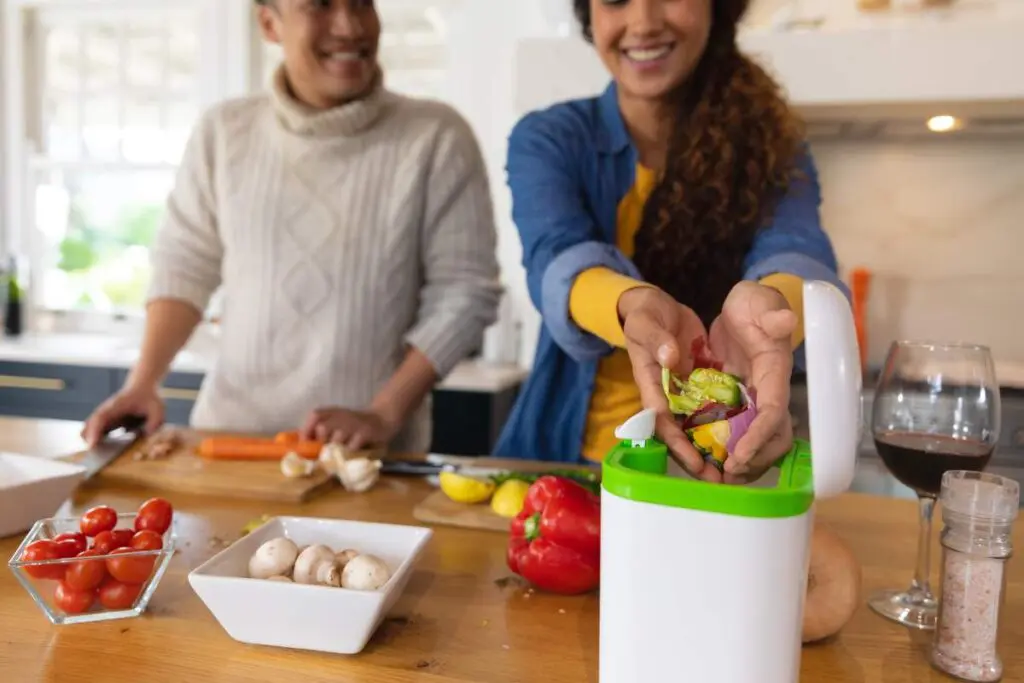
Keep a Small Compost Bucket in the Kitchen
So much of what we throw into our trash can, rinse down the sink, or grind up in the garbage disposer is usable organic material. This can be easily converted into usable soil building compost for a small backyard garden or indoor house plants. Keep a small bucket under the sink and start a simple compost bin to turn that leftover food on your plate, the expired food in the pantry, and those wilted or rotten fruits and veggies into living soil to beautify your yard and feed the plant life in your garden.
Smart Swaps for Everyday Stuff
Packaging is everywhere, but you don’t need to sacrifice ease to go low-waste. One of the easiest ways to reduce waste is to size up. Buy the biggest version of pantry and household staples that you actually use to cut down on packaging: rice, oats, olive oil, coffee, soap, or even toothpaste. Just make sure it’s something you’ll actually use regularly, otherwise it’s just a slow-burn version of waste.
The same product in a different form can also dramatically reduce waste. Cleaning concentrates, powder-based supplements, and dissolvable tablets (for things like multivitamins or mouthwash) all shrink the packaging footprint while doing the exact same job. They also travel better and take up less space on shelves. For example, CHOQ’s concentrated blends like Action 2.0 and Max Performance STAQ deliver potent results without the bulk, helping you optimize energy, sharpen focus, and support hormonal balance without the waste.
Make sure you ditch the single-use items that feel small, but create sneaky waste over time: paper towels, cotton rounds, and makeup wipes. Choose swaps that actually solve a friction point in your life (like washable facial rounds or dishcloths that don’t smell). Also, just say no to freebies that you really don’t care for– every “just in case” item you bring home becomes future clutter and waste.
Reuse Like You Mean It
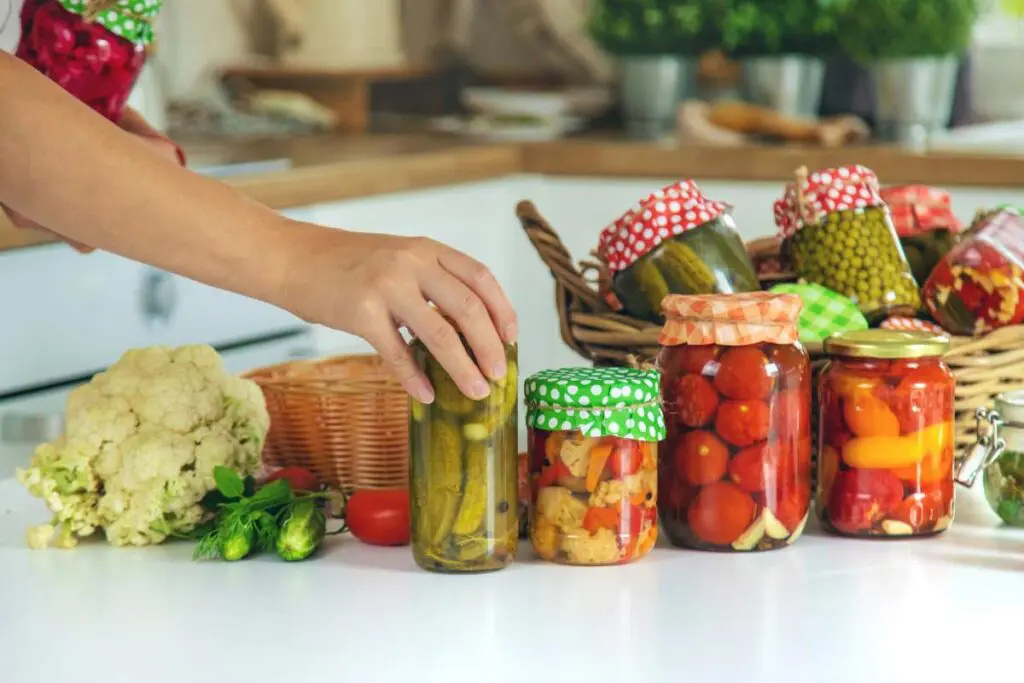
Even better than recycling alone: real wins happen before you even get to the bin. By repurposing reusable containers, there’s no need to rush to the store for them. If you have pasta sauce or had take out this weekend, you already have storage. Before buying “eco” alternatives, ask: can I finish what I’ve got and clean out the packaging for something else? At the same time, you want to make sure you don’t hoard everything. Create a bin designated for reusable items like jars, shipping envelopes, and produce bags. When it’s full, use it up before saving more.
When you save and reuse things, remember to be intentional about what you DIY and repurpose. Pinterest will have you turning yogurt tubs into planters and t-shirts into mop heads, but if that doesn’t fit your lifestyle, skip it. The goal is to cut down on waste that annoys you: instead of keeping glass bottles that you never use, prioritise the same takeout container that you reach for every time you pack lunch.
Remember that you don’t need to make all these changes at the same time. The easiest time to make a better choice is when something runs out. Need new batteries? Go rechargeable. Ran out of body wash? Try a refillable bottle or bar format. This approach keeps waste low without adding stress or making you throw away what already works.
Waste Less, Live More
Cutting waste is about getting smarter with what comes in, what sticks around, and what goes out. A better system saves you time, energy, and money, and those are resources you can reinvest into something that actually matters. These small changes are performance upgrades for a smoother, more intentional daily life, and that feels way better than a trash can full of should-haves and could’ve-beens.