
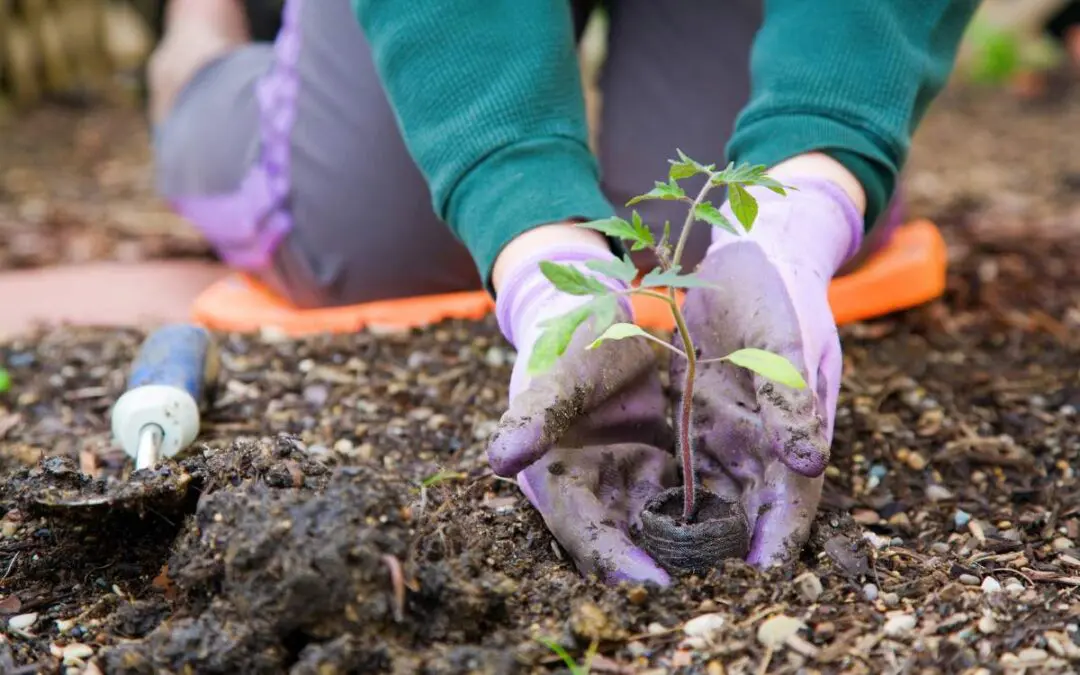
Urban gardening, sourdough ASMR, minimalist lifestyle vlogs: people everywhere crave ways to regain control and reconnect with something real. That’s where small-space homesteading comes in. You don’t need a farm or acres of land to make the most of this practical, empowering path to resilience right where you are. Ready to reclaim a little more control over your daily life with small-space homesteading? Let’s get started.
Redefining Homesteading
Homesteading is about controlling what you can, where you are. The modern homesteader’s mindset is focused on building resilience through daily practices. Whether it’s growing herbs in a windowsill or mending clothes instead of tossing them, these small actions create a buffer against uncertainty.
Small-scale homesteading offers a host of practical benefits. It sharpens your focus and lowers stress by shifting your energy to hands-on, tangible tasks. When you make something yourself, you also improve what goes into your body– there’s no guessing about additives or hidden ingredients when you control the source. Lastly, there’s the emotional win of producing something with your own effort and the deep sense of satisfaction that comes with it.
Small-Space Gardening Made Simple
Small-space gardening focuses on making the most of what you have. The goal here is to create a steady supply of fresh, clean, nutrient-dense ingredients that you can trust. When you start viewing every square foot as potential growing space, you’ll see that even the tightest quarters hold surprising possibilities:
- Container gardening: Compact crops like cherry tomatoes, basil, and salad greens thrive in pots with good drainage. Aim for six hours of sunlight daily to keep growth strong and steady.
- Balcony farming: Plastic pots, fabric grow bags, and repurposed buckets should be arranged to ensure each plant receives maximum light. Check moisture levels daily since small containers dry out quickly.
- Vertical planters and railing boxes: Ideal for herbs, salad greens, and trailing crops. Use vertical herb towers, stacked planters, or railing-mounted boxes to increase growing space without taking up floor area.
- Indoor gardening: Use a basic hydroponics kit or small planters on a windowsill to grow herbs and greens year-round. Position them in areas with good natural light or supplement with compact grow lights if needed.
- Regrowing from scraps: Place the root ends of green onions, celery, or romaine lettuce in water and watch them regrow within days. Use a simple sprouting jar to grow alfalfa, mung beans, or lentils for fresh, fast microgreens.
In addition to growing and gardening, composting is another way to bring homesteading into your small spaces. Vermicomposting uses red wiggler worms to break down kitchen scraps into nutrient-rich castings inside a compact bin that fits under your sink. Alternatively, Bokashi composting uses microbes to ferment scraps in a sealed bucket that fits in any corner and is ideal for cooked food, dairy, and meat. Both methods turn waste into valuable inputs for your plants and give you direct control over your food cycle.
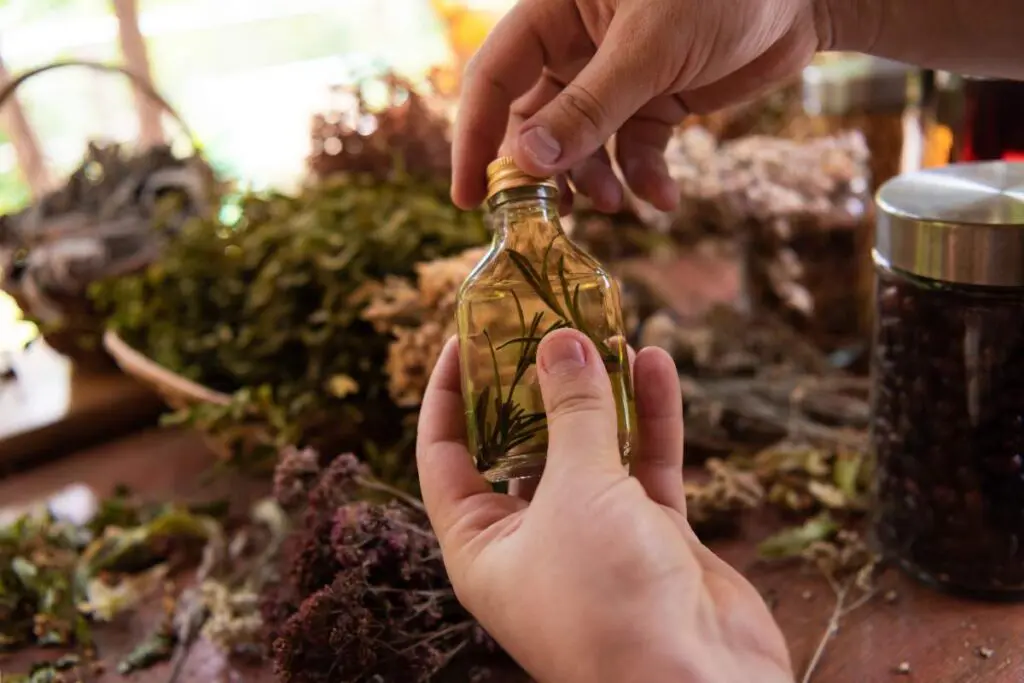
Homestead in Your Kitchen
Homesteading asks you to reclaim the systems that keep you alive, and that includes your own body. Internal self-reliance means knowing how to nourish and support yourself using tools you control:
- Food preservation: Learn how to extend the life of fresh food through skills like drying, fermenting, or canning. These methods help you waste less, rely less on constant grocery trips, and keep your kitchen stocked with nutrient-dense ingredients year-round.
- Herbal remedies: Making your own tinctures, infusions, and salves teaches you how to support your health with ingredients you understand. Instead of reaching for a bottle full of unpronounceables, you’ll know how to extract and use the compounds found in common herbs.
- Functional teas: Brewing your own teas from whole herbs supports digestion, stress relief, and immune health. It’s a low-effort way to turn hydration into a daily wellness ritual using what’s already in your home.
- Kitchen apothecary: Stock your pantry with dual-purpose items that nourish and heal like honey, garlic, ginger, and apple cider vinegar. This practice puts the power of prevention and recovery in your hands.
To further reduce dependence on opaque systems and support your body with ingredients you understand, you need to supplement smart. CHOQ’s Male Vitality STAQ Ultra delivers a full-spectrum approach with Daily, Shilajit, Ashwagandha, Action 2.0, and double-dose Tongkat 100 to support testosterone, energy, mood, and libido. For women, the Female Vitality STAQ Ultra blends Shilajit, Ashwagandha, and Irish Moss to support hormonal balance, collagen production, and stress resilience. These stacks allow you to take back control, starting with your own body.
Everyday Practices to Live the Homestead Life
Homesteading is more than just what you grow or make. It’s also about small, consistent choices that build resilience and self-reliance every day. These habits don’t require extra space or fancy tools but help you to waste less, fix more, and take control of what you bring into your home and body:
- Waste reduction: Glass jars, tins, and sturdy containers can be reused for storage, fermentation, or leftovers. This cuts down on plastic waste and helps you build a zero-cost organizing system.
- Upcycling: Turn old clothes into rags, tote bags, or quilt pieces. Repurpose damaged kitchenware into plant trays or organizers to reduce waste and extend the life of items. Most importantly, get into the upcycling mindset– before discarding anything, ask if it can serve another purpose.
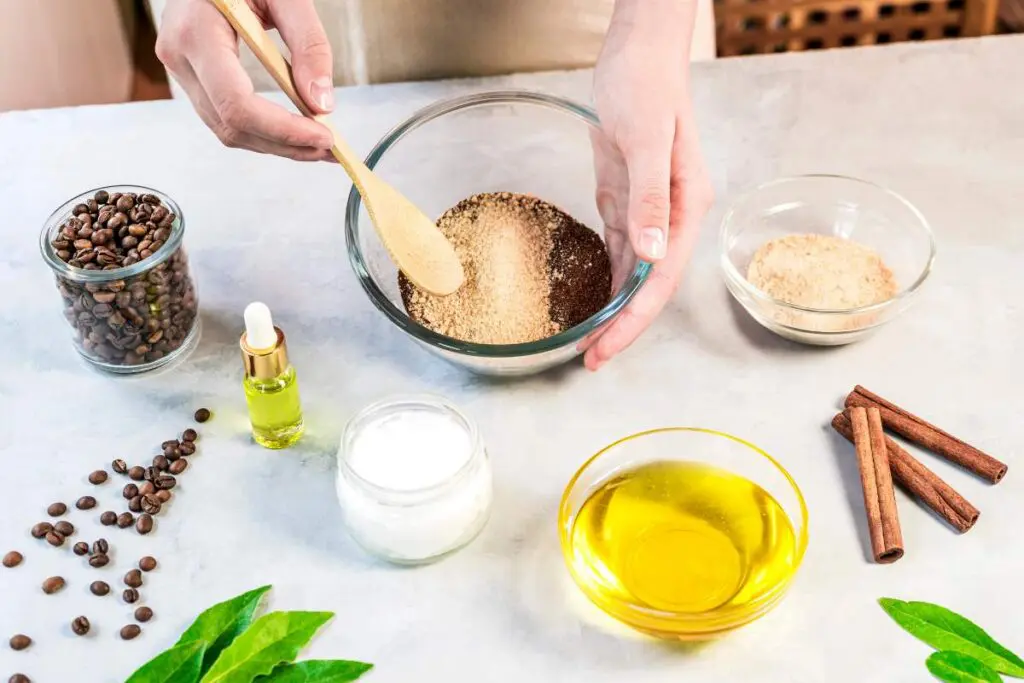
- Homemade skincare: Skip the shelf full of products by using simple, natural ingredients like oils, butters, and herbs for everyday care. Fewer ingredients mean fewer irritants, lower cost, and more control over what goes on your skin.
- Natural cleaners: Replace chemical-laden sprays with blends made from pantry staples like vinegar, baking soda, and essential oils. These DIY alternatives are safer, cheaper, and just as effective for everyday cleaning tasks.
- Basic hand sewing: Learn how to sew a straight stitch, patch a tear, or reattach a button. These skills take minutes to learn and can extend your wardrobe’s lifespan by years.
- Household repairs: Look up short video tutorials for common fixes like zipper repair or lamp rewiring. Most fixes, like tightening screws, gluing broken parts, or resealing seams, take under 10 minutes and require basic tools.
Your Homesteading Journey Starts Today
Small-space homesteading asks only for presence, curiosity, and a willingness to try. A jar of sprouts on the windowsill and fermenting sauerkraut on the counter are signals that you’re taking charge of what you eat, what you use, and how you leave. In a world that often pushes consumption over creation, these small wins add up fast.