
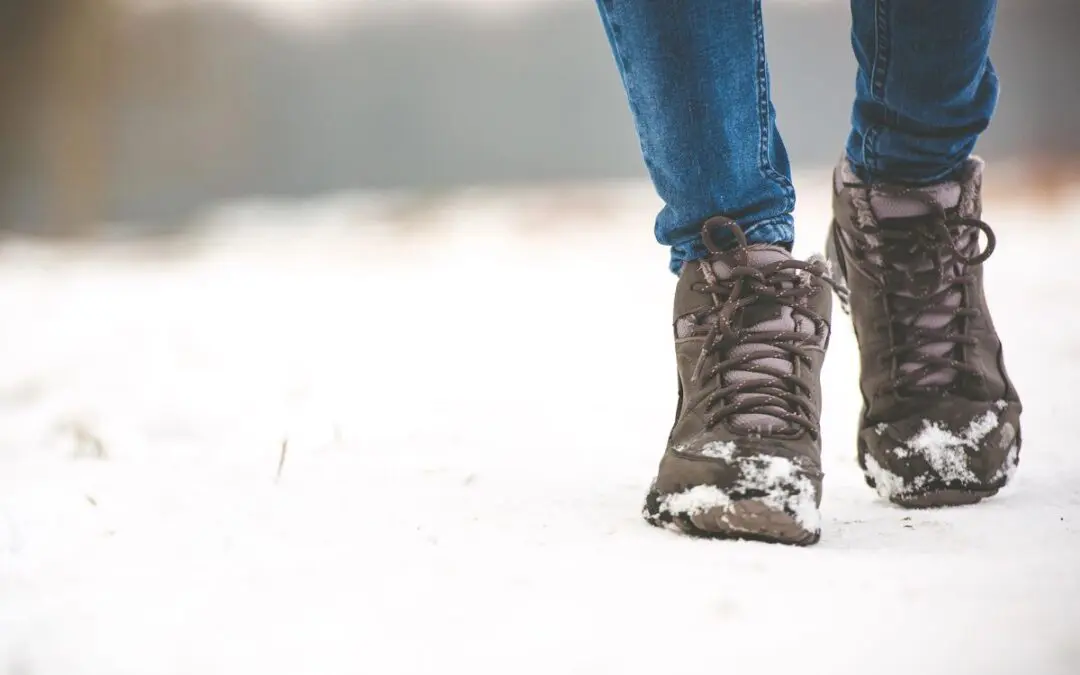
When winter arrives, modern life offers an easy response: stay inside. Close the curtains earlier, turn up the heat, order dinner, and wait for spring. In Scandinavia, the cultural answer has historically been almost the opposite. Go outside anyway.
That idea has a name: friluftsliv (“free-loofts-liv”), roughly translated as “open-air life.” It is less a particular activity than a way of treating outdoor time as part of ordinary life. You do not need a mountain, an expensive jacket, or a weekend expedition. A walk in the cold, time in the woods, playing outside with children, or simply sitting outdoors can count.
And that distinction matters. Friluftsliv isn’t about becoming an outdoors person. It is about making outdoor life normal enough that winter does not automatically shrink your world.
Friluftsliv Makes Outside Time the Default
Norway’s numbers show how ordinary outdoor life can be. Statistics Norway reported in 2024 that 96.5% of people aged 16 and older participated in an outdoor activity the previous year, while 90.6% took a short walk in a nearby park. More than 42% took those shorter walks several times a week.
That doesn’t mean Norwegians spend every December day hiking through snow. It means outdoor life includes the ordinary stuff: walking, getting outside near home, spending time in nature and making winter activities part of the calendar.
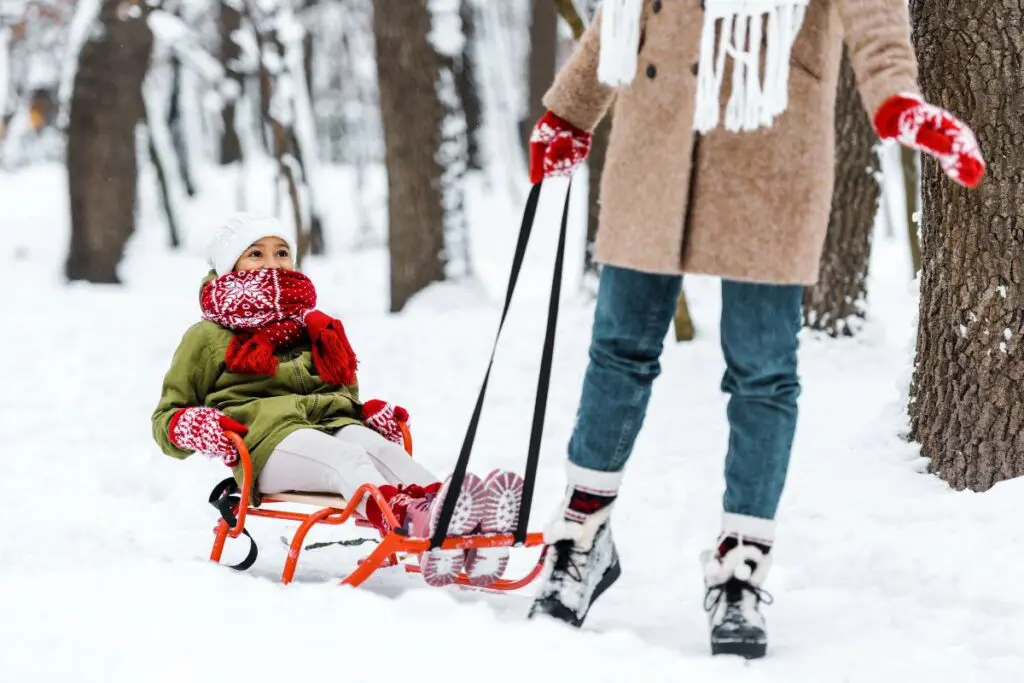
The same attitude starts young. The City of Oslo says outdoor play is a daily priority in Norwegian kindergartens regardless of weather, and children who nap during the day often sleep outside in their strollers.
Forest-based education reinforces the idea. Children aren’t necessarily being taught to become athletes; they’re simply learning that cold, rain and mud are environments they can comfortably inhabit.
The Idea Is Older Than the Wellness Industry
The word friluftsliv first appeared in writing in Henrik Ibsen’s 1859 poem På Vidderne, according to Norway’s Ministry of Climate and Environment. The ministry also notes that the practice itself is much older, rooted in activities such as hunting, fishing, harvesting and gathering.
The concept eventually became connected to a broader Norwegian cultural and legal framework. Allemannsretten, or the right to roam, gives the public the right to travel and spend time in uncultivated nature, regardless of who owns the land. Norway’s Outdoor Recreation Act formally established those rights in 1957, building on older customary law.
Sweden has a similar principle called allemansrätten, which gives people broad access rights to nature alongside responsibilities to respect the land, wildlife and other people.
That legal access helps explain something important about Nordic outdoor culture: nature isn’t necessarily treated as a special destination. In many places, it is part of the everyday landscape.
Why the Rhythm Matters More Than the Workout
The interesting part of friluftsliv isn’t how many calories you burn outside. It is the decision that weather doesn’t get the final vote.
If you only go outside when the sky is blue and the temperature is comfortable, winter can dramatically shrink your outdoor life. But if walking outside is simply what you do, the question shifts from “Should I go?” to “What should I wear?”
That is why friluftsliv can be surprisingly low-key; a walk around the neighborhood counts. So does sitting outside with coffee, taking children to the park, walking to an errand or spending an hour outdoors without a fitness goal. Even Nordic practices such as cold exposure and sauna reflect a broader cultural comfort with moving between different temperatures rather than treating cold as something that must always be avoided.
Recent research on friluftsliv among Norwegian and international students also warns against turning it into increasingly specialized, equipment-heavy outdoor recreation. The researchers found that participants viewed the relationship with nature as central to the concept, while noting concerns about its growing “sportification.”
What Friluftsliv Isn’t
It isn’t a wellness aesthetic. You don’t need a Scandinavian cabin, designer shell jacket, expensive hiking gear or a perfectly photographed thermos. You don’t need to book a retreat or turn every outdoor experience into an adventure.
That is where the modern wellness industry can miss the point. A cultural practice built around free access to nature and ordinary outdoor time becomes strangely less useful when it is packaged as something you need to purchase.
Friluftsliv is almost the opposite. The less complicated it becomes, the closer you are to the original idea.
Bring the Habit Home
The American translation can be remarkably small. Take a daily walk regardless of the weather, dress appropriately and don’t wait for perfect conditions. Keep one weekend outdoor activity on the calendar and don’t automatically cancel it because the forecast isn’t ideal. Give children outdoor time every day when conditions are safe. Take a short break outside during the workday instead of automatically reaching for another screen.
Those short interruptions can fit naturally into 5-minute break habits, especially if your workday keeps you at a desk.
You can also rethink what counts as being active. A walk to the store, outdoor chores or an unhurried neighborhood loop can all become new ways to get active without turning outdoor time into a formal workout.
And if you want to experiment with the sensory side of being outdoors, even something as simple as earthing can encourage you to slow down and pay attention to your immediate surroundings.
The Nordic phrase often translated as “there’s no bad weather, only bad clothes” isn’t really an invitation to suffer through miserable conditions. It’s a reminder to prepare for the environment instead of expecting the environment to accommodate you.
Stop Waiting for Winter to Be Comfortable
Scandinavians haven’t eliminated the dark half of the year. They have built cultural habits around living through it. That may be the most useful part of friluftsliv. It doesn’t promise that winter will suddenly feel easy or beautiful. It simply refuses to make staying indoors the automatic answer.
Go outside. Dress for what is actually happening. Walk the same route when the sky is gray that you would walk when it is blue. Let children discover that rain is something you can play in. Let a cold afternoon be an afternoon outside rather than a reason to postpone living.
Friluftsliv isn’t about escaping winter. It’s about refusing to let winter decide how much of your life you get to use.