
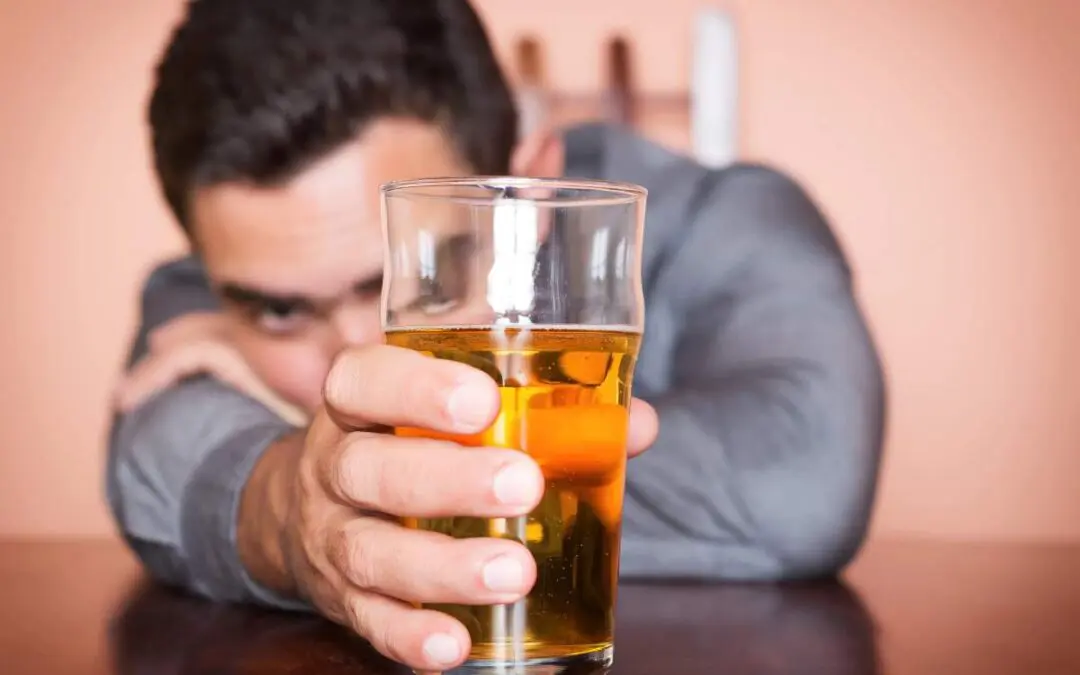
You don’t need a lab test to know when your body’s a little off. You feel it when sleep gets lighter. When workouts don’t hit the same and recovery takes longer. When motivation dips for no obvious reason. And then you try to take the edge off with a drink, not knowing it’s the culprit.
Here’s the part most guys don’t realize: alcohol doesn’t just affect your liver or your next morning. It can quietly interfere with sleep quality, recovery, and hormone balance, including testosterone. Not in a dramatic, overnight-crash kind of way. More in the subtle, death-by-a-thousand-sips kind of way.
The good news? This post isn’t about quitting forever or counting every ounce. It’s a realistic guide for men who still want to enjoy a drink, but also want their energy, strength, and sleep working for them, not against them.
Does Alcohol Really Affect Testosterone?
The short answer: yes, especially with frequent or heavy drinking.
Alcohol interacts with your body’s hormone systems, including the pathways that help make testosterone. In men, this hormone system involves communication between the brain and testes, known as the hypothalamic-pituitary-gonadal (HPG) axis.
Research shows that alcohol can disrupt signaling along this axis, affecting the hypothalamus, pituitary gland, and testes, which can reduce testosterone production when alcohol is consumed in larger amounts or frequently over time.
Interestingly, small, occasional amounts may cause a temporary bump in measured testosterone, according to Pubmed. This is likely due to metabolic changes, but it isn’t an indicator of alcohol promoting healthy hormone balance. Chronic or heavy intake is linked to lower testosterone levels overall.
Sleep: The Hidden Hormone Hacker
Most guys know alcohol can make you drowsy. But what it actually does to your sleep cycles is more important.
Alcohol does help you fall asleep faster, since it acts as a nervous system depressant, but it disrupts normal sleep architecture. That means deeper stages of sleep and REM sleep (which you need for recovery, memory, mood, and hormone regulation) get interrupted, especially as your body metabolizes the alcohol later in the night.
To make matters more interesting, sleep itself is tied directly to testosterone production, making it a good natural testosterone support. Testosterone naturally rises and falls in a 24-hour cycle, peaking during sleep. Poor or fragmented sleep can affect the body in many ways, including negatively affecting hormones and drive.
In plain terms: alcohol might knock you out, but it doesn’t give you quality rest, and that can indirectly affect your hormone levels, recovery, and energy.

Recovery: Why You Feel Sluggish After Drinking
If you’re lifting weights, running, or just trying to stay active, recovery is the name of the game. Alcohol hits recovery from multiple angles:
- Inflammation and immune function: Alcohol increases inflammation, which slows muscle repair.
- Protein synthesis: Early research suggests alcohol may hinder the processes your body uses to rebuild muscle after exercise.
- Dehydration: Alcohol is a diuretic, meaning it pulls water out, which can make recovery feel harder and increase fatigue.
These things compound. If you’ve ever tried to train hard after a night with a few drinks, you know the feeling: heavier legs, slower performance, and tougher sessions.
A Practical Guide to Drinking Smartly
We’re not talking about that one night out. Issues show up when drinking becomes a pattern: three to five drinks, a few nights each week. Over time, the combination of lighter sleep, slower recovery, and repeated hormone disruption can quietly work against healthy testosterone rhythms.
Rather than “quit forever,” here are realistic strategies that let you enjoy your social life while protecting sleep, recovery, and testosterone support.
Know Your Limits
For men, moderate drinking is defined as up to two standard drinks per day, and importantly, not every day.
A standard drink is:
- 12 oz beer (~5% ABV)
- 5 oz wine (~12% ABV)
- 1.5 oz spirits (~40% ABV)
Regularly going beyond this is when research shows significant effects on hormone signaling and testosterone levels.
Testosterone tip: If you drink, aim to keep it inside this range and build in alcohol-free days each week. Your hormones benefit more from consistency than perfection.
Time Your Drinks Wisely
Alcohol may make you sleepy, but it disrupts REM and deep sleep later in the night, the exact stages linked to overnight recovery and healthy testosterone patterns. Experts recommend stopping alcohol 3–4 hours before bed to reduce sleep disruption.
Testosterone tip: Think of late-night drinks as “sleep taxes.” Earlier is better if you want your body to complete its overnight repair cycle.
Hydrate and Eat
Alcohol affects hydration and nutrient absorption. Dehydration and low nutrient availability both make recovery harder and can leave you feeling more fatigued the next day. Eating before drinking slows alcohol absorption and reduces the stress response on the body.
Testosterone tip: Pair every drink with water and never drink on an empty stomach. This simple move noticeably reduces next-day sluggishness.
Prioritize Sleep on Training Nights
Testosterone naturally rises during sleep, especially during deeper stages. When you have a tough workout planned, the night before and after matter most for recovery and hormone rhythm. Protect those nights with low-alcohol or alcohol-free choices so your body can fully complete its repair work.
Testosterone tip: If you train hard, treat alcohol like junk food for your recovery. Fine occasionally, but not when performance matters.
Choose Lower-Alcohol Options When You Can
Higher ABV drinks create a larger physiological load. Opting for lower-alcohol beer, wine spritzers, or smaller pours reduces the impact without removing the social ritual.
Testosterone tip: You don’t always need “more.” Often, you just need less alcohol per drink.
Sleep + Recovery = Testosterone Support
Regular and heavy drinking is a hormone-disrupting habit. You can’t out-train or out-drink biology. By being mindful of alcohol, you protect what you actually care about: your energy, performance, mood, and long-term resilience.
As part of testosterone and aging, prioritizing quality sleep and recovery becomes increasingly important for supporting healthy hormone function over time. Moderation, timing, and prioritizing quality sleep and recovery go a long way, and help you enjoy both your social life and the benefits of a balanced, hormone-friendly lifestyle.