

Cycle syncing is the practice of aligning movement, nutrition, and recovery habits with the different hormonal phases women experience throughout the menstrual cycle. Instead of approaching fitness and wellness the same way every day, it encourages women to synchronize their activity with natural shifts in energy, strength, appetite, and recovery that accompany the phases of the monthly cycle.
This is a powerful way to optimize performance, consistency, and overall well-being by going with the ebb and flow of the natural monthly rhythms of the body. While every experience is different, understanding the four hormonal phases of the menstrual cycle can help explain why certain workouts feel easier during some weeks and more demanding during others. For women approaching perimenopause, paying attention to these patterns can also provide useful context as cycles and energy levels begin to change.
At its core, cycle syncing is less about perfection and more about awareness. Learning how hormonal phases influence energy, mood, and physical capacity can help women make more informed choices about exercise, recovery, and daily habits in a way that feels supportive rather than restrictive. Over time, that awareness can become part of a broader approach to female vitality, helping women feel more connected to and responsive to their changing needs.
What to Eat and How to Move During Each Hormonal Phase
The idea behind cycle syncing is simple: your energy, recovery, appetite, and motivation may not feel the same every week of the month, so your routines do not always have to stay the same either. Each of the four phases of the menstrual cycle comes with natural hormonal shifts that can influence how workouts feel, what foods sound satisfying, and how much recovery your body may need. Rather than treating these phases as strict rules, it can be more helpful to view them as patterns that help you tune in and your body.
Menstrual Phase: Slower Energy and More Recovery
The menstrual phase begins when “flow” starts. During this time, some women notice lower energy levels, increased fatigue, or a stronger desire for rest.
This is often the phase where recovery-focused movement feels more supportive than intense training. Gentle walks, mobility work, stretching, yoga, or lighter strength sessions may feel easier to sustain than high-intensity workouts.
Nutrition during this phase can focus on nourishment and steady energy. Protein for women and iron-rich foods are especially important to keep in mind here, with options like lean meats, beans, lentils, leafy greens, and eggs, along with warm, balanced meals that feel grounding and easy to digest. Staying hydrated also becomes especially important. Electrolytes complement your hydration routine by helping support fluid balance.
Other supportive habits during this phase may include:
- Prioritizing sleep and recovery
- Lowering workout intensity without guilt
- Spending more time on mobility and stress management
- Paying attention to hunger instead of ignoring it
Follicular Phase: Rising Energy and Motivation
After menstruation, the follicular phase begins, and many women describe it as a “fresh start” phase. Energy, motivation, and mental clarity often begin to rise gradually during this time.
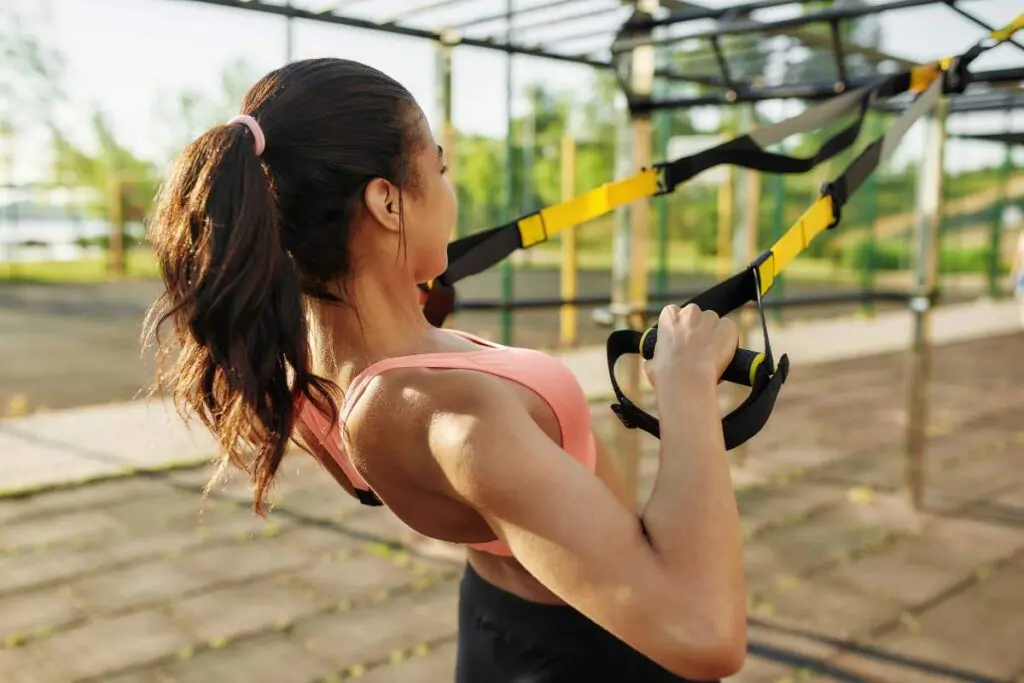
Because recovery and stamina may feel stronger, this phase is commonly associated with trying more challenging workouts or increasing training intensity. Strength training, interval workouts, higher-energy cardio, and learning new movement skills may feel more manageable here.
Cycle syncing workouts during this phase often focus on progression and consistency rather than pushing to exhaustion.
Nutrition can also shift slightly toward supporting increased activity. Balanced meals with protein, complex carbohydrates, colorful produce, and healthy fats can help support recovery and sustained energy levels.
Helpful habits during this phase may include:
- Trying new workouts or fitness goals
- Increasing workout intensity gradually
- Meal prepping while motivation feels higher
- Spending more time outdoors or staying socially active
Ovulatory Phase: Peak Energy and Performance
Ovulation is often associated with the highest natural energy levels of the cycle. Some women notice increased confidence, stronger endurance, better workout performance, and more social energy during this phase.
This can be a good time for more demanding cycle syncing workouts, including heavier strength training, longer endurance sessions, group fitness classes, or higher-intensity movement.
Because activity levels may naturally increase here, nutrition and hydration become especially important. Protein-rich meals, balanced carbohydrates, electrolyte support, and adequate water intake can help support recovery and performance.
Other supportive strategies during this phase may include:
- Scheduling more challenging workouts
- Focusing on workout quality and form
- Supporting recovery even when energy feels high
- Avoiding the temptation to overtrain

Luteal Phase: Shifting Energy and Increased Recovery Needs
The luteal phase begins after ovulation, and this is often when energy starts to feel less predictable. Workouts that felt easy a week earlier may suddenly feel more demanding, and recovery may take longer.
Many women also notice increased hunger, cravings, or a stronger need for rest during this phase. Rather than viewing these shifts as a lack of discipline, cycle syncing encourages adjusting routines to match changing recovery needs.
Movement during this phase may benefit from slightly lower intensity, more recovery time between workouts, and a stronger focus on consistency over performance. Strength training can still be valuable, but some women prefer shorter sessions, lower-impact cardio, walking, or mobility-focused movement as the phase progresses.
Nutrition during this phase often centers on satiety and blood sugar stability. Meals with protein, fiber, healthy fats, and complex carbohydrates may help support steadier energy and fuller recovery.
Helpful reminders during this phase:
- Increased appetite can be a normal part of the cycle
- Recovery matters just as much as intensity
- Rest days are productive too
- Adjusting workouts is not “falling behind”; it’s responding to your body more intentionally
Supportive Habits That Complement Cycle Syncing
Cycle syncing works best when it’s part of a broader approach to recovery, nourishment, and consistency. The goal is not to perfectly optimize every phase, but to create habits that help support hormone health and make your body feel more supported month to month.
Prioritize Sleep and Recovery
Recovery influences everything from workout performance to mood and energy levels. Creating a more consistent sleep schedule, limiting overstimulation before bed, and allowing for recovery days can help support a steadier rhythm throughout the month.
Support Your Nervous System
Stress management is an important part of cycle syncing because stress can influence recovery, sleep quality, and overall well-being. Walking, stretching, breathwork, sauna sessions, journaling, or simply slowing down for a few minutes each day can help create more balance.
Reduce Common Hormone-Disrupting Habits
Constant stress, inconsistent sleep, too much caffeine and doomscrolling can all make it harder to feel recovered and balanced. Becoming more aware of hormone-disrupting habits can help women make more supportive choices without turning wellness into another source of pressure.
Consider Additional Wellness Support
Some women also choose to support their routines with supplements as part of a broader wellness approach. CHOQ’s STAQ products, which include Female Vitality STAQs, are designed to complement habits like movement, recovery, and balanced nutrition while supporting healthy energy and mood.
Working With the Body Instead of Against It
Cycle syncing is ultimately about awareness, not control. Understanding the hormonal phases women move through can help explain why energy, appetite, motivation, and recovery may not feel the same every week of the month.
Instead of forcing the same routine every day, cycle syncing encourages a more rhythmic approach to movement, nutrition, and recovery. Over time, that adaptability can help support natural hormone balance and make healthy routines feel more sustainable, supportive, and realistic for everyday life.