
As women age, nutrition starts to play a more noticeable role in how the body feels, moves, and recovers. Energy levels may shift, strength may feel harder to maintain, and the required recovery time after workouts may start to feel a little longer than before. One of the most powerful and overlooked strategies for curbing the effects of aging is to support optimal bodily function by providing the body with what it needs to repair and recover: PROTEIN.
Protein levels for women over 40 become increasingly important for supporting muscle maintenance, recovery, mobility, and overall resilience. Unfortunately, many women unknowingly eat less protein than their bodies need, especially when balancing busy schedules, dieting, or inconsistent meals. As women move through perimenopause, changing hormone patterns can also make it especially important to pay attention to nutrition, strength, and recovery.
Understanding how women’s protein intake changes with age and how to get enough naturally through diet can support a more sustainable approach to women’s nutrition and help support female vitality, strength, and everyday energy as we age.
Why Protein Needs Change For Women After 40
Over time, the body naturally becomes less efficient at maintaining and rebuilding muscle tissue. This shift is a normal part of aging, but it also means that protein intake starts to matter more than it did in earlier decades. Recovery from workouts may feel slower, strength may become harder to maintain, and periods of inactivity can have a more noticeable effect on energy and mobility.
Part of this shift is connected to muscle protein synthesis, the process the body uses to repair and build muscle after movement, exercise, and daily wear and tear. Over time, this process becomes less responsive, which is why protein for women over 40 often needs more attention, especially for women following a consistent strength training routine.
This is also where strength training for women over 40 becomes increasingly important. Resistance-based movement signals the body to maintain muscle, while protein provides the building blocks needed to support that process. Together, strength training and adequate protein intake can help support physical resilience and long-term mobility as women age.
For many women, these changes appear gradually rather than all at once. Age-related muscle loss, often referred to as sarcopenia, is the natural decline in muscle mass and strength that can happen over time, especially when protein intake, recovery, and strength-building movement are inconsistent.
In everyday life, lean muscle mass loss can manifest in gradual, subtle shifts in how the body feels and performs day to day, such as:
- Reduced strength during workouts or everyday tasks
- Lower stamina throughout the day
- Longer recovery after exercise, busy schedules, or poor sleep
- Feeling less physically capable of doing activities that once felt easier
- More soreness after workouts than before
- Greater fatigue from routines that used to feel manageable
Smart Protein Habits for Women Over 40
Protein needs at 45 or 55 may not look the same as they did at 25. As the body becomes less responsive to muscle-building signals with age, protein intake becomes more important, especially for active women.
Current baseline protein recommendations are designed to prevent deficiency, but many experts suggest that active adults and older women may benefit from higher protein intake to help support muscle maintenance and recovery, according to Harvard. For those focused on women’s strength training, mobility, and healthy aging, protein intake can play a bigger role in supporting an active lifestyle.
Timing matters too. Eating most of your daily protein at dinner while under-eating earlier in the day can make it harder to consistently support muscle protein synthesis. Breakfast is often the weakest protein meal, with many women relying on toast, cereal, or coffee alone instead of more balanced options like eggs, Greek yogurt, smoothies, or cottage cheese.
The goal is not to obsess over numbers, but to build more consistent protein habits throughout the day in a way that feels practical and sustainable.
Animal-Based Protein Sources
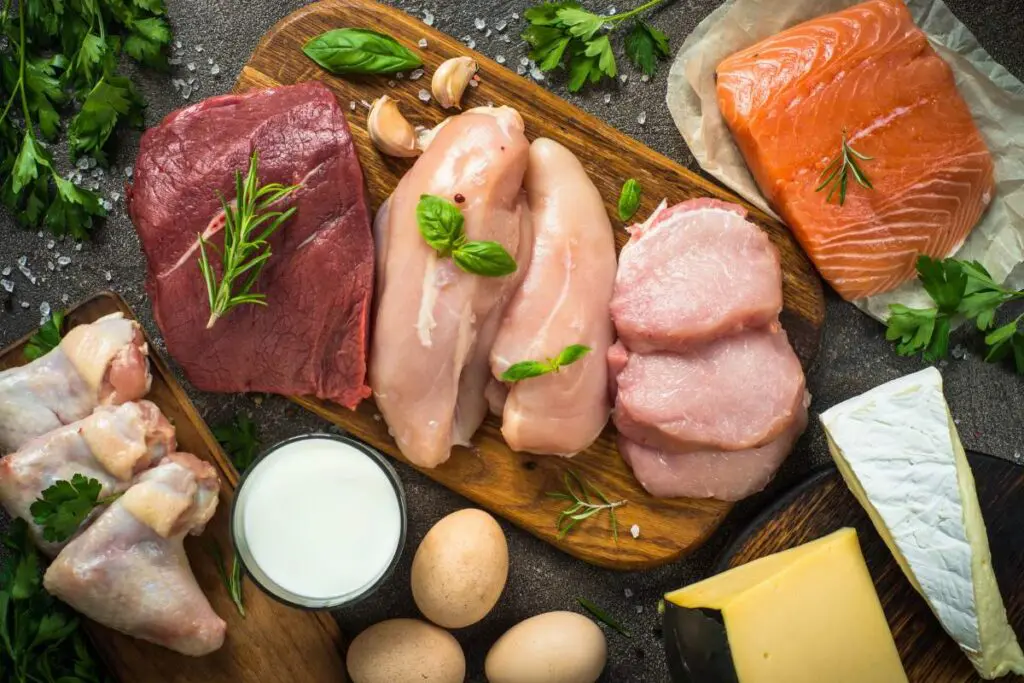
Animal-based proteins are considered complete protein sources because they contain all essential amino acids needed to support muscle protein synthesis and recovery.
- Eggs: Versatile, convenient, and naturally rich in protein
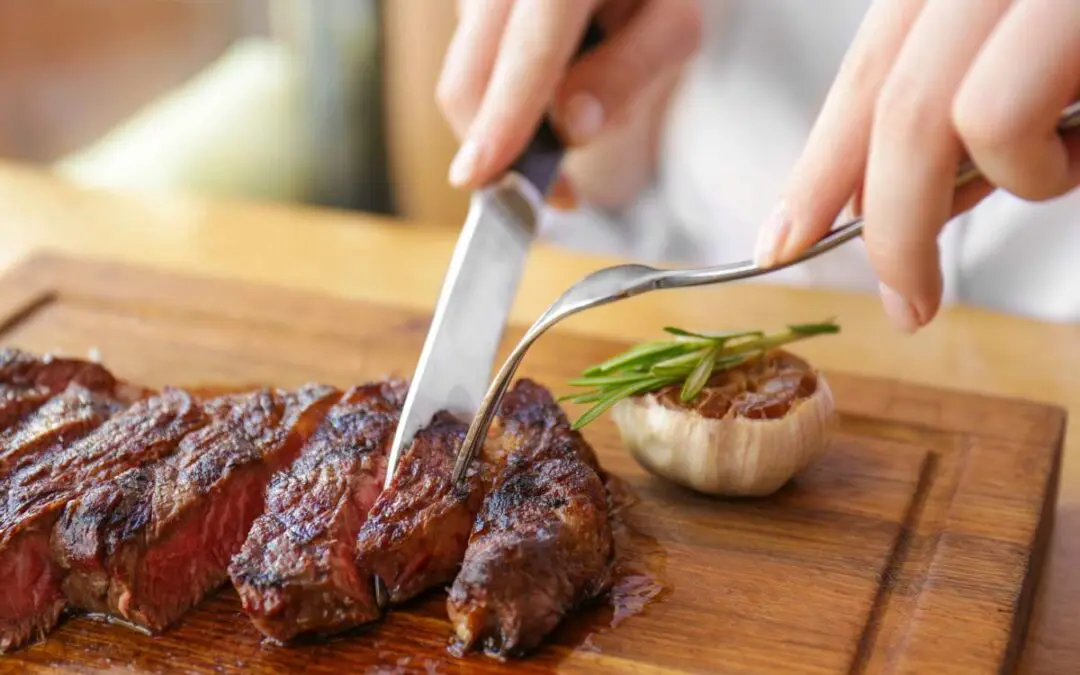
- Red meat: Highly satiating, rich in heme iron
- Yogurt: Supports satiety and works well for breakfasts or snacks
- Chicken and turkey: Lean protein options that pair easily with balanced meals
- Fish and seafood: Provide protein along with nutrients that support overall wellness
- Cottage cheese: An easy high-protein option for snacks or quick meals
Plant-Based Protein Sources
Plant proteins can support women’s protein requirements.
- Lentils and beans: Fiber-rich staples that support fullness and steady energy
- Tofu and edamame: Convenient soy-based proteins that work well in many meals
- Nuts and seeds: Helpful for adding protein, healthy fats, and texture
- Quinoa: A versatile grain that contains all essential amino acids

Convenient Ways to Increase Protein Intake
For many women, the challenge is not understanding protein but fitting enough of it into a busy schedule consistently.
Helpful ways to increase protein intake naturally include:
- Front-loading your day with a nourishing high-protein breakfast
- Adding protein smoothies to breakfast or post-workout routines
- Keeping high-protein snacks available for busy days
- Building meals around protein first, then adding carbohydrates, healthy fats, and fiber
- Pairing protein intake with strength training to support recovery and muscle maintenance
- Preparing simple, repeatable meals instead of relying on overly restrictive meal plans
Where Collagen Protein Fits In
Collagen is a potent type of protein and a component of animal foods that provides the building blocks for your own collagen networks to help support strong and resilient skin, joints, and connective tissue as we age. While collagen is not a “complete protein” source because it does not contain all essential amino acids needed for muscle protein synthesis on its own, it offers crucial support for our connective tissues, gut, joints, ligaments, and skin.
We all should be supporting healthy, resilient collagen in our bodies and curating habits around recovery, mobility work, hydration, and strength training.
Building Strength That Lasts Through Protein
Protein intake is vital for maintaining healthy lean muscle tissue, connective tissue, and collagen as we age. Building a foundation of long-term habits around diet, movement, and recovery is essential to support strength, recovery, and energy as women move through their 40s and beyond. Maintaining a few simple habits can empower the body and allow us to thrive as we age.