

Everyone wants more adventure. But between skyrocketing airfare, packed schedules, and the churn of work-life obligations, two weeks off in Bali just sounds like a fantasy. Exploration seems to come at a cost: a stamp on your passport, a four figure credit card bill, and a dent in your few days of paid time off.
What if adventuring wasn’t something you needed to book six months in advance? What if you could build it into your everyday life? Microadventures are short, local, low-cost escapes that give you the same sense of novelty and energy without blowing your budget or the time. These small experiences carry outsized benefits and give you the power to choose to have fantastical adventures where you already are. Reach on to see how you can microadventure in your life.
What Exactly is a Microadventure?
Before microadventures, adventuring meant big ticket travel, long itineraries, and time off work. The narrative sold to us was clear: if you want to feel alive, you have to go far. Microadventures deliver challenge, novelty, and perspective without the overhead. Popularized by adventurer, Alastair Humphrey, these are short bursts of local exploration that disrupt your routine in the best way possible. The idea is simple, so something different, even if it’s small:
- Local and accessible
- Low effort to plan
- No fancy gear or aesthetic setup
- High-returns
Why You Need Adventure More Than Ever
Feeling mental fatigue, chronic low energy, and low-grade anxiety? It might not be burnout. You might be looking at stagnation. Wake up. Check your phone. Commute. Sit. Scroll. Repeat. Modern life runs on a stale autopilot. We run in this predictable loop, but you weren’t built for this sameness. The nervous system thrives on stimulus variation, and when that’s gone, so is your edge.
The fact is, novelty triggers your dopamine response, nature exposure reduces cortisol, and movement resets your circadian rhythm. The modern environment attacks all three. Microadventures fix this by hacking the most powerful levers for well-being. Even a single unexpected experience– a spontaneous bike ride, watching the sunset, wandering without Google Maps– can reset your nervous system and shift your baseline mood. Pair that with a little adaptogenic fuel to enhance circulation and cognitive sharpness, and you’ll feel the reset hit harder. Are you ready to feel alive again?
Fit Escapes Into a Busy Life
The biggest myth is that adventure takes time you don’t have. In reality, you may just be lacking the structure and imagination to make it work. Microadventures are the way forward because they operate within constraints. Rather than trying to be bucket list trips, they’re interruptions to routine, to numbness, and to the assumption that you need a way for your next vacation to feel something new. There are dozens of different kinds of plug-and-play microadventuring options to get you started, so pick one and see what changes.
Nature-Based Microadventures
Think of wildness not wilderness to reset your system. An environment that interrupts the synthetic, climate-controlled, algorithmically curated conditions and gives you exposure to real natural light, fresh air, and real ground under your feet:
- Pre-dawn trail walk: Morning sunlight boosts serotonin, anchors your circadian rhythm, and will make you feel alert. Try out a local trail or even a quiet, green street in your neighborhood.
- Stargazing in a local park: You probably haven’t experienced the flow of starlight in the night sky in favor of the glow of your cell phone screen in months. For 20 minutes, sit in your backyard or a local green space and experience the stars. For bonus points, see if you can spot a shooting star.
- Solo forest picnic: Pack a blanket, thermos, and notebook and bring it to a wooded area. In the cover of the forest, write water comes to mind, slowly sip your drink of choice, and be present in nature.
Urban Microadventures
Too often, you overlook the local novelty of the place you live. You get used to the same streets, buildings, and coffee shops. But cities are exciting ecosystems– you just stopped looking. Engage with your environment like it’s an urban rewilding for your brain:
- Street art scavenger hunt: Pick a local artist or style (murals, stickers, graffiti tags) and find examples in different parts of town. Don’t document it– just experience it. You inadvertently sharpen your observational skills and activate the novelty-driven brain states.
- Solo surveillance stakeout: Choose a location you’ve never been to, even a well-known tourist trap you’ve been meaning to get to. Set a timer for thirty minutes and observe the people, sounds, textures of the space– journaling your experiences and your thoughts to trigger a reflective state.
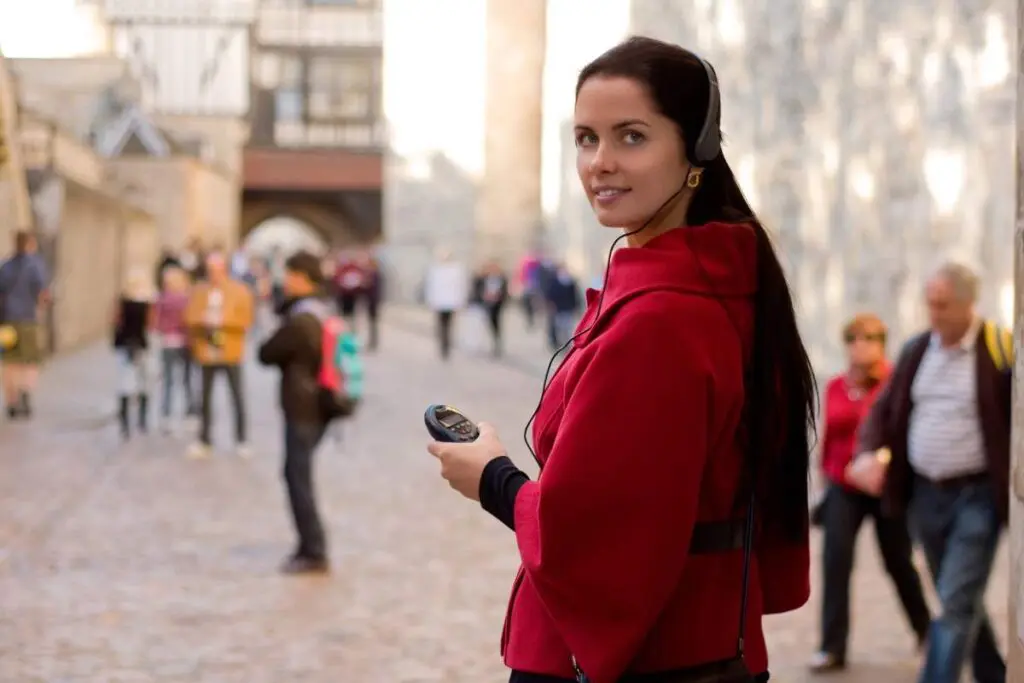
- Audio tour of your city: Download a local history walk, street art guide, or architecture commentary. Head out solo and let someone else’s narrative shape how you see your surroundings, and reframe your familiar spaces.
Physical Microadventures
Most physical activity is framed as fitness, but microadventures flip that. These aren’t workouts, they’re experiences– ways to use your body to connect, not just build strength and endurance. Movement becomes meaningful when it has context, surprise, and connection to the environment:
- Sunset swim: A lake, river, ocean, or even unheated pool– cold water immersion activates the parasympathetic nervous system and triggers a psychological reset. It may feel uncomfortable at first, but you emerge feeling sharper and calmer.
- Bike to a look out point: Don’t map it, don’t time it. Ride until you find a view worth stopping for. This combination of elevation, exertion, and visual reward allows you to feel accomplished and you earn your perspective– literally.
- Walk without purpose: Without your phone and without a purpose, take a walk through a neighborhood you’ve never explored. Look up the architecture, read every sign, notice the street names– bringing intentionality and focus to the way you experience your city.

How To Make Microadventuring a Habit
Doing one microadventure feels good. But real change comes from repetition. When you make microadventuring a habit—not a one-off—the benefits compound. Here’s how you can make microadventuring your new normal:
- Time-batching: Lock in a consistent time block each week– whether an evening after work or Sunday morning before the world wakes. The key is making the “when” a non-negotiable.
- Adventure jar: Decision paralysis kills momentum, so create a collection of 15-20 simple microadventure ideas written on slips of paper. When you’re stuck, draw one and go.
- Go regardless: Waiting for someone else to join you is just procrastination in disguise. Microadventures are built for solo execution. You can, of course, invite others to ogo and share your ideas, but follow through even if they bail.
- Keep track: Forget aspirational to-do list– track what you’ve actually done. This build moment, reinforces the habit, and helps you see patterns in what works.
Let’s Go on a (Micro)Adventure
There’s no shortage of reasons not to try something new. But time, money, fatigue, and uncertainty are just symptoms of overstimulation and under-discovery. Microadventures call you to engage with your senses, your body, and your environment. Seek discomfort on purpose—small, deliberate moments that make you notice, adapt, and come alive. So shut your laptop, put on your shoes, and go find something you didn’t expect.