

Nitric oxide is produced naturally by the body and plays a role in many everyday physiological functions. Because of its broad involvement in overall health, researchers have become increasingly interested in how nutrition and lifestyle influence its production.
While the body produces nitric oxide on its own, certain foods provide the nutrients and compounds involved in this process. From nitrate-rich vegetables to amino acids, understanding how these foods fit into a balanced diet offers a practical way to support the body’s natural nitric oxide production.
What Is Nitric Oxide?
Nitric oxide is a naturally occurring molecule that acts as a chemical messenger throughout the body. Rather than being a nutrient itself, it’s produced by the body and helps cells communicate to regulate a variety of normal physiological processes. According to ScienceDirect, nitric oxide functions as an important signaling molecule in many tissues and organ systems.
The body produces nitric oxide through two complementary pathways. One uses the amino acid L-arginine, while the other converts dietary nitrates found naturally in vegetables into nitric oxide. According to a review published in Nature Reviews, these two pathways work together to maintain nitric oxide availability, with dietary nitrate serving as an important complement to the body’s nitric oxide synthase pathway.
Because nitric oxide is produced continuously, supporting the body’s natural production is less about any one food and more about maintaining healthy eating and lifestyle habits over time.
Foods That May Support Nitric Oxide Production
No single food contains nitric oxide itself. Instead, certain foods provide dietary nitrates, amino acids, vitamins, and plant compounds that the body uses to produce and maintain nitric oxide through its natural pathways.
Beets
Beets are among the best-known nitric oxide foods because they’re naturally rich in dietary nitrates. After digestion, these nitrates can be converted into nitric oxide through the nitrate–nitrite–nitric oxide pathway. This is why beet juice and nitric oxide are often discussed together in sports nutrition research.
Leafy Greens
Leafy vegetables such as spinach, arugula, Swiss chard, lettuce, and kale are also excellent sources of dietary nitrates. Regularly including a variety of leafy greens in meals is a simple way to obtain these naturally occurring compounds while benefiting from fiber, vitamins, and other plant nutrients.

Watermelon
Watermelon is one of the richest natural food sources of L-citrulline, an amino acid the body converts into L-arginine before producing nitric oxide. Because of this conversion process, watermelon is frequently studied for its potential role in supporting the body’s natural nitric oxide production.
Citrus Fruits
Citrus fruits such as oranges, lemons, and grapefruit aren’t significant sources of nitrates or citrulline, but they’re rich in vitamin C. Vitamin C helps protect nitric oxide from oxidative breakdown, allowing it to remain available for normal physiological functions. The NIH Office of Dietary Supplements notes vitamin C’s important antioxidant role throughout the body.
Pomegranate
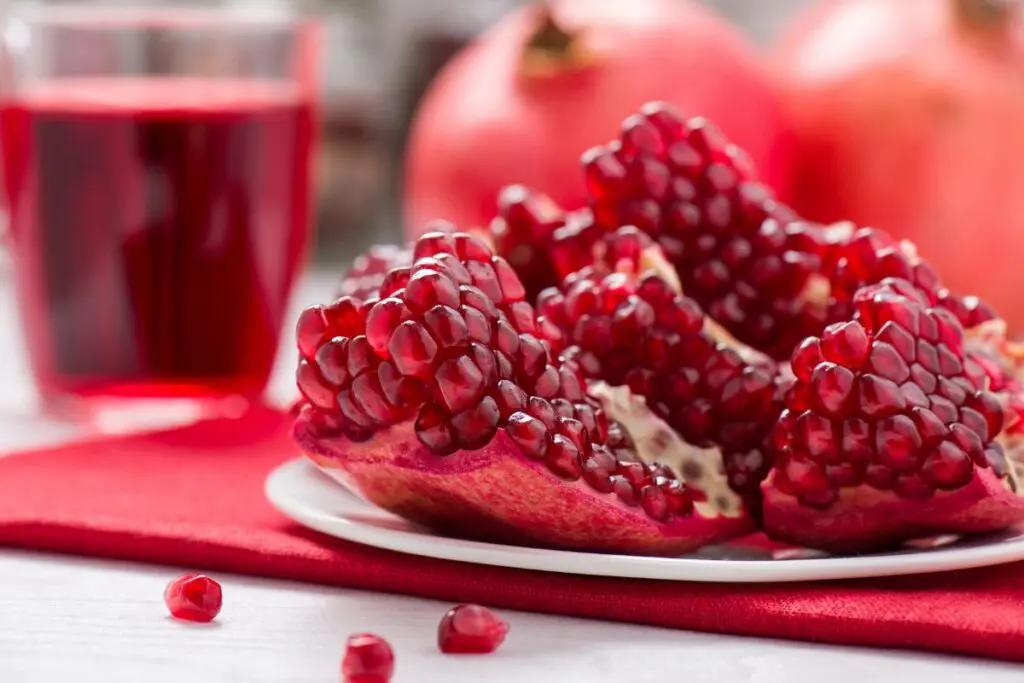
Pomegranate contains naturally occurring polyphenols, compounds that have attracted growing research interest for their relationship with nitric oxide metabolism. While research is ongoing, pomegranate is a nutritious addition to a balanced diet and provides a variety of beneficial plant compounds.
Garlic
Garlic contains sulfur-containing compounds that researchers continue to study for their effects on nitric oxide pathways. Although more research is needed, garlic has long been valued as part of a varied, whole-food eating pattern and pairs well with many nitrate-rich vegetables.
Nuts and Seeds
Pumpkin seeds, walnuts, almonds, and other nuts and seeds contribute minerals, healthy fats, and amino acids that support overall nutrition. While they aren’t major sources of dietary nitrates, they complement nitrate-rich foods as part of a balanced eating pattern that supports the body’s normal nitric oxide production.
Lifestyle Habits That Work Alongside Nitric Oxide Foods
Diet is only one factor that influences nitric oxide production. Everyday natural habits may also help create an environment that supports the body’s natural ability to produce and use nitric oxide.
Stay Physically Active
Regular physical activity naturally stimulates nitric oxide production because increased blood flow encourages the cells lining blood vessels to produce more nitric oxide. Exercise and nutrient-rich foods work together to support the body’s normal physiological processes.
Eat a Variety of Whole Foods
Different foods contribute different nutrients involved in nitric oxide production, which is why dietary variety matters. Including colorful vegetables, fruits, nuts, seeds, legumes, and whole grains helps provide a wider range of compounds that support overall health.
As interest grows in soil depletion, eating a diverse diet has become even more important for obtaining a broad spectrum of nutrients. Planning meals with a weekly meal plan can make this easier to maintain.
Stay Hydrated
Hydration supports many normal physiological processes throughout the body. While water doesn’t produce nitric oxide, maintaining healthy fluid balance supports normal circulation and cellular function.
When Nutritional Support May Fit In
Whole foods should always be the foundation of nutrition, but some people choose additional nutritional support alongside a balanced diet and active lifestyle.
CHOQ Daily is designed to complement healthy habits by supporting active lifestyles and overall vitality. Together with regular exercise, a nutrient-dense diet, and consistent recovery, it can be part of a proactive wellness routine.