
Modern life doesn’t leave much need for lighting a fire without a lighter, or purifying water with sand and charcoal… but maybe it should. With infrastructure increasingly fragile, devices failing at the worst moments, and the growing appeal of digital detox, survival skills are about self-reliance and honing them in can be a great hobby. Old school skills are not just for emergencies; they’re a great way to disconnect from the digital madhouse. Read on to discover the skills that still matter and how to make them yours.
Stay Dry, Stay Alive
Shelter is necessary for survival, but you’re often racing the weather, clock, and your own energy levels. That’s why simple, repeatable setups are essential. Tarp shelters are lightweight and versatile. The A-frame gives solid rain runoff, but a lean-to offers wind protection. Using pine boughs, leaves, or grass to line the floor provides improvised insulation.
Unfortunately, however, a great shelter in a bad spot is still a bad shelter. Site selection is key:
- Avoid natural hazards: Stay away from dead trees (widowmakers), low-lying areas (flood risk), and rockslides or avalanche zones.
- Look for natural protection: Large rocks, thick trees, or natural overhangs can act as windbreaks.
- Watch your surroundings: Ant nests, animal trails, or stinging plants can ruin your rest.
Don’t Die Thirsty
Water is rarely impossible to find, you just need to know the signs:
- Follow the terrain: Water flows downhill. Look for valleys, gullies, or erosion patterns.
- Check vegetation: Lush plants often signal nearby water sources.
- Look for insects or animal tracks: Bees, ants, and birds usually stay within range of water.
- Gather dew: In dry areas, use cloth to collect dew from grass at dawn.
Even crystal-clear water can still carry bacteria, parasites, or chemical runoff. Always assume that natural water is unsafe unless you treat it first. First, bring water to a rolling boil for at least one minute, or three minutes at high altitudes, to kill bacteria, viruses, and most parasites. Then create a DIY filter with layered cloth, charcoal, sand, and gravel, pouring water through it to remove debris and some contaminants. Follow this with boiling, if possible.
If neither of these options are possible, use sun disinfection. Fill a clear plastic bottle and leave it in direct sunlight for 6+ hours. UV rays will reduce bacterial load, but this is only viable when no other options exist.
Find Your Way
Phones die. GPS fails. Batteries run out. Knowing how to orient yourself using basic environmental cues can keep you alive when tech fails. Your surroundings are constantly giving you directional data if you know how to read it:
- The sun: Rises in the east, sets in the west. At noon, it’s roughly in the southern sky in the Northern Hemisphere.
- Shadows: Stick a stick in the ground and mark the shadow’s tip. Wait 15 minutes. Mark the new tip. Draw a line between the two marks: that’s west to east.
- Terrain clues: Slopes often face certain directions. Moss may grow more heavily on the north side of trees, but this varies so don’t rely on it alone.
- Wind and weather patterns: In some regions, consistent wind directions or storm movement can help orient you.
To avoid losing your sense of direction in the first place, mark your path with broken branches or stones. Use landmarks to remember key milestones in your journey, and every time you change direction, mentally note what you’d need to do to retrace your steps.
Mastering Fire
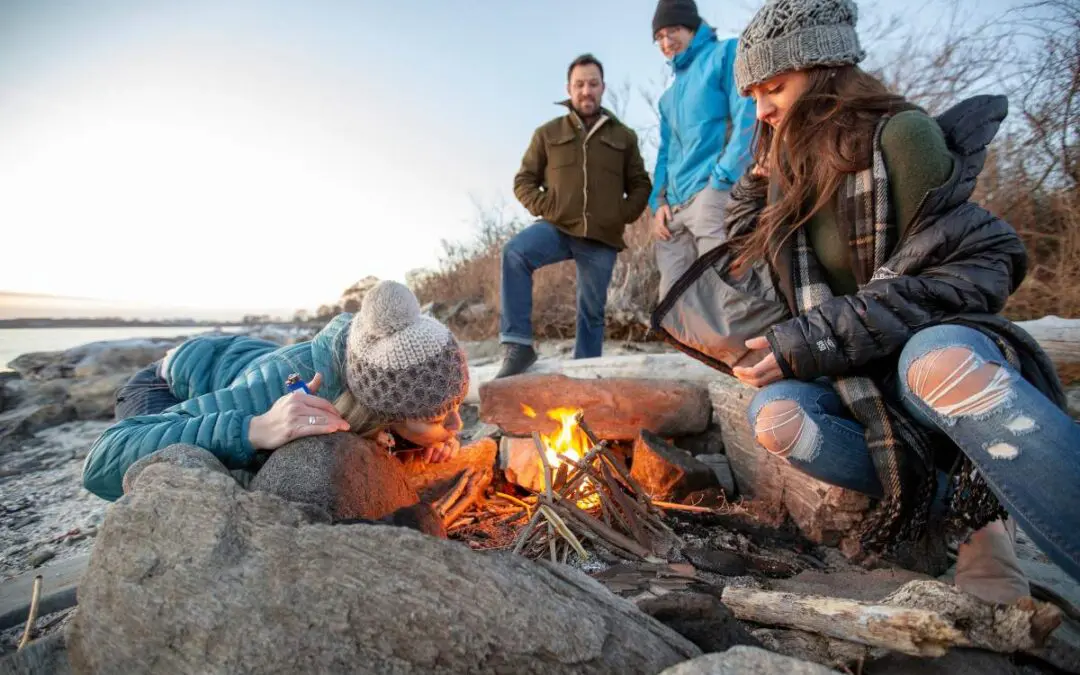
Few things are more fundamental or more empowering than knowing how to build a fire from scratch. Before your strike, you need tinder like dry bark shavings, cotton balls with petroleum jelly, or dry leaves, kindling like thin twigs, dry grass, or small pine cones, and fuel like dry branches, logs, or split wood. Stack your materials in a teepee or lean-to formation to allow air to flow, and then strike a ferro rod close to the tinder.
A fire that starts fast and stays lit is more than luck. You need to control the burn rate with airflow, ensuring that you don’t smother it with logs too soon. Keep your fuel dry and nearby with a clear four-foot radius of flammable debris.
Tools that Don’t Need Charging
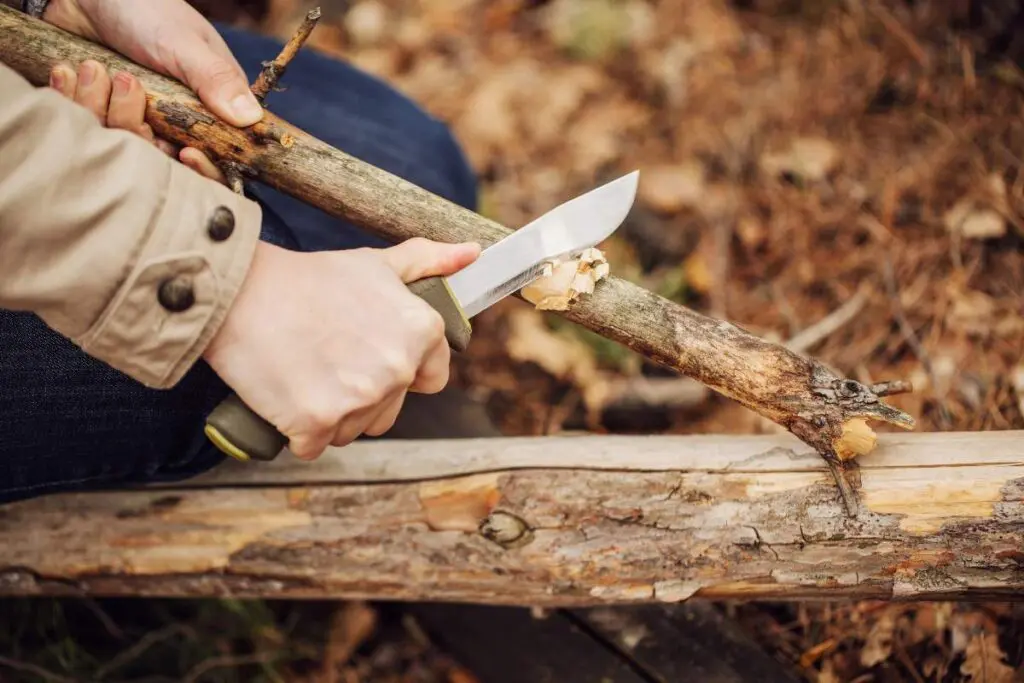
If you only had one tool in a survival situation, make it a knife:
- Feathering sticks: Shave wood into thin curls for fire-starting.
- Notching: Create grooves in sticks for traps, stakes, or friction fire sets.
- Batoning: Split wood by striking the spine of your knife with another stick.
- Carving tools: Craft tent pegs, hooks, or utensils from raw wood.
Despite thousands of knots to choose from, you actually only need a few to survive a sticky situation:
- Bowline: Make a small loop, bring the working end up through it, around the standing line, then back down the loop; pull tight for a fixed, non-slipping loop.
- Taut-line hitch: Wrap the rope twice toward the anchor on the standing line, then once away from the anchor; slide to adjust tension on guy lines.
- Square knot (reef knot): Tie right over left and under, then left over right and under; creates a flat, secure knot for joining ropes of equal size.
- Clove hitch: Wrap the rope around a post, cross over and wrap again, then tuck the end under the second wrap; tighten for a quick, secure hold.
First Aid First
Small injuries spiral fast in harsh environments. Dirt, moisture, and friction make minor cuts and blisters major liabilities if you ignore them. Knowing basic first aid procedures can make a big difference in moments like these.
First, clean the wound with water, ensuring to remove debris. Control bleeding by applying firm pressure with a clean cloth, and once the bleeding stops, cover the wound with a bandage, duct tape, or a piece of clean fabric.
Once you’ve dealt with the initial treatment, keep a close eye for signs of infection: redness, heat, swelling, or pus mean you need to clean again and keep it dry. If you notice a fever or red streaks, seek help as soon as you can.
Several injuries are beyond cuts and scrapes. Your ability to watch out for the signs of other common issues is the difference between life and death:
- Heat exhaustion: Dizziness, nausea, heavy sweating. Move to shade, hydrate, and rest.
- Hypothermia: Shivering, slurred speech, confusion. Get dry, layer up, and insulate from the ground.
- Broken limbs or sprains: Immobilize with sticks, cloth, or belts. Reduce movement and support the joint.
Survival Doesn’t Wait for Help
Most people live under the illusion that help is always one phone call away. But when tech fails, systems break down, or you’re just too far off-grid, those illusions disappear fast. The difference between panic and control is skill. With a little bit of practice with the wisdom of the past, you’ll already know what to do: no panic, no guesswork, just action.