
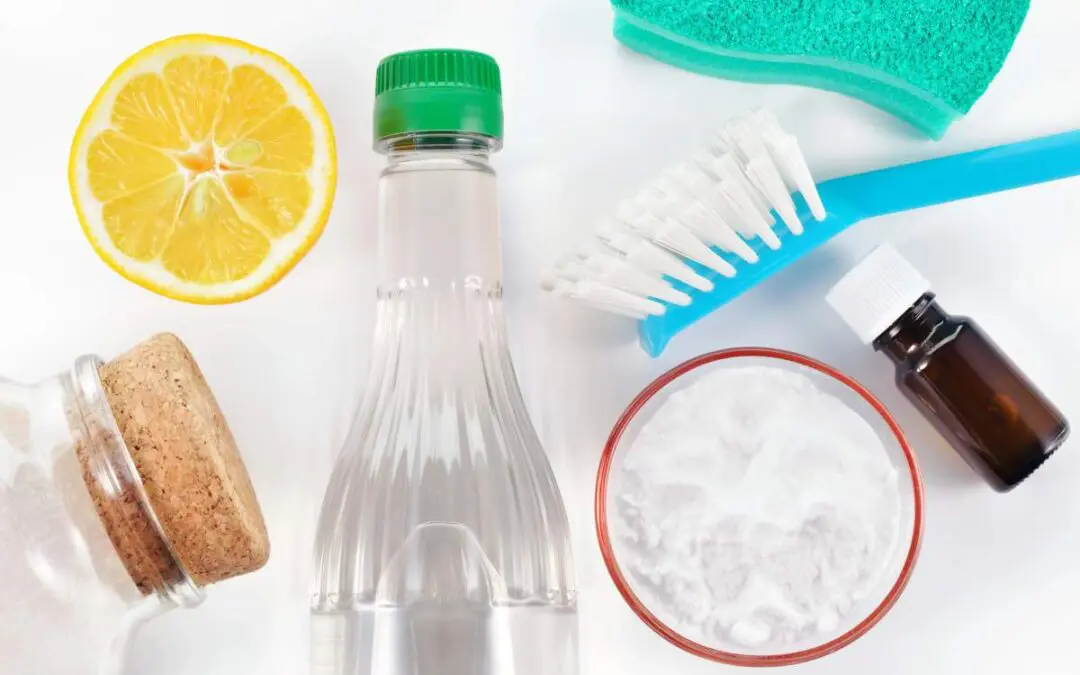
If you’ve ever wandered the cleaning aisle of a big-box store, you know the standard options available: neon-colored liquids, spray bottles shouting “kill 99.9% of germs,” and a dizzying array of chemical concoctions promising a “fresh scent” that leaves your nose stinging and your head spinning. Mass-produced, heavily marketed chemical cleaning supplies offer separate products for every surface and stain, but there are some little-known secrets that might already be in your pantry that can replace all those products.
Turns out, the ingredients you reach for when whipping up a lemon vinaigrette or banana bread also happen to be natural powerhouses for scrubbing, deodorizing, and polishing your home. This article breaks down 10 multi-use pantry staples that clean as well as they cook.
Pantry Staple #1: Baking Soda
Long revered for its ability to lighten cakes and tenderize dough, baking soda is also a powerful cleaning agent for gross, grimy surfaces and stubborn odors that is affordable, safe, non-toxic, and gentle on skin and surfaces. Use it anywhere that needs freshening, like your shoes, sofa cushions, or even the back of your fridge, to absorb musty smells without masking them. Mix up some baking soda with a splash of vinegar to get a satisfying, fizzy paste that’s perfect for cleaning drains and scrubbing out that stubborn grime from your tile grout.
Pantry Staple #2: White Vinegar
While baking soda is a potent scrubber, white vinegar is the master dissolver. This sharp-smelling staple is a potent natural cleaner that makes quick work of mineral deposits, soap scum, and greasy buildup. You’ll get the most mileage out of it in areas where water leaves a mark: faucets, showerheads, and glass surfaces. In the kitchen, it wipes grease off stovetops and counters without leaving a residue. Vinegar is also a natural rinse agent that can be added to the dishwasher’s rinse compartment or diluted with water as a floor cleaner.
Pantry Staple #3: Lemon Juice
Lemons add brightness to your meals while being naturally antibacterial and antifungal. Lemon juice breaks down grease, whether on your stovetop, cutting board, or microwave. For a microwave refresh, microwave a bowl with water and lemon slices for three minutes and then wipe down the loosened buildup. For dingy tile and group, apply lemon juice directly and then scrub after a few hours. Lastly, use a paste of lemon juice and baking soda to create a paste for tarnished copper and brass.

Pantry Staple #4: Olive Oil
Don’t underestimate the power of olive oil outside the skillet. It also excels at conditioning, polishing, and restoring surfaces. If your cutting boards are looking worn, rub a small amount of olive oil to restore luster and prevent cracking. Equal parts lemon juice and olive oil makes for an effective furniture polish. It can also be used to work away sticky residues left behind by labels or adhesives and even shines stainless steel appliances.
Pantry Staple #5: Salt
Salt seasons food but also scrubs, scours, and restores. Its coarse texture gives you the grit needed to tackle messes while its mineral properties help absorb stains, deodorize, and sanitize. Have a cast iron pan with stuck-on bits? Sprinkle coarse salt with a splash of warm water and scrub with a cloth. This same approach works for gunky baking sheets, ceramic dishes, or even glassware. For more stubborn messes, salt works well with lemon juice for a tarnished pot or sink fixture and with baking soda to freshen drains. Beyond the kitchen, it can lift wine stains by blotting it on fabric and vacuuming after letting it sit to draw out the liquid.
Pantry Staple #6: Cornstarch
Cornstarch may be known for thickening sauces and puddings, but it’s just as capable for tackling greasy, grimy messes. Sprinkle it on oily spots on clothes, upholstery, or carpets for 15-30 minutes and then vacuum or brush it away. For persistent spots, follow with a dab of dish soap and water. Cornstarch also leaves a streak-free shine on glass and metal when paired with a cup of white vinegar and warm water. If you have kids or pets, cornstarch is a safe way to fresh soft items that can’t be tossed in the wash.
Pantry Staple #7: Vodka
Not just a night out staple, vodka deserves a spot in your cleaning lineup. The high alcohol content makes it a fast-drying, streak-free sanitizer. A 1:1 ratio of vodka and water creates an ideal cleaner for phones, keyboards, touchscreens, and even mirrors. It also removes sticky messes from label residue, permanent marker, or ink stains and can neutralize odors on soft furnishings that smell musty. One note of caution: test alcohol-based cleaners on fabrics before going all in, especially colored or delicate ones, to ensure they don’t strip dyes or damage finishes.
Pantry Staple #8: Rice
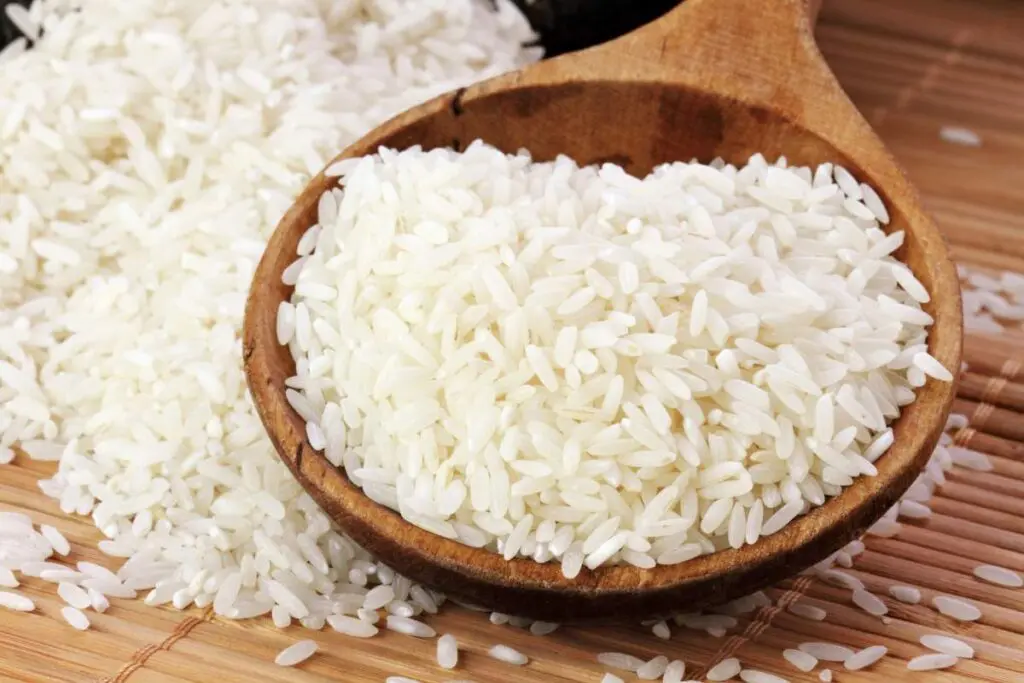
You might think of rice as a side dish, not a cleaning tool, but uncooked rice offers a surprisingly effective way to clean those awkward items a sponge can’t reach. To clean with rice, fill a container with warm water, a spoonful of uncooked rice, and dish soap. Then cover the opening and shake vigorously. This method is especially useful for cleaning antique glassware, thermoses, or anything with delicate edges. With a little vinegar, you can even cut through hard water stains or mold.
Pantry Staple #9: Coffee Grounds
Your morning brew can wake you up and be used as an effective cleaning and deodorising tool. Sprinkle used coffee grounds down the garbage disposal or into the sink drain, then flush with hot water to dislodge build up. You can also use grounds to scrub pots, pans, and surfaces where stuck-on food or grease needs a little extra abrasion. For odor removal, store an open container of dried grounds in your fridge or in stinky spots like your shoe closet.
Pantry Staple #10: Apple Cider Vinegar
Apple cider vinegar is known for wellness tonic and salad dressings, but it’s an equally valuable natural cleaning agent. Mix it with water in a 1:1 ratio to use as an all purpose cleaner that works on countertops, floors, or bathroom fixtures. Used on glass or mirrors, this solution promises a streak-free shine. If you spray it on fabric surfaces like rugs or pet bedding, it will neutralize odors and freshen up without masking smells with artificial fragrance. For an easy kitchen use, mix ACV with water as a natural product wash. It helps remove wax and residue from fruits and vegetables, giving you a cleaner prep surface before cooking.
Clean Living Starts in the Pantry
A cleaner home doesn’t have to smell like ammonia or require a cacophony of expensive chemical cleaning products. Baking soda, vinegar, lemon, even coffee grounds are underappreciated workhorses that make cleaning simpler and safer. You save money, reduce exposure to harsh substances, and gain back control over your space. You likely already have everything you need to tackle odors, polish surfaces, and refresh your home naturally. No mystery ingredients. No plastic bottles piling up under the sink. Just smart, multipurpose tools hiding in plain sight.