

You know the scene: someone’s asking for help with homework, the group chat is exploding, and dinner’s still a vague idea somewhere between “frozen something” and “maybe cereal.” The kitchen, supposedly the heart of the home, often feels more like a chaotic command center.
But here’s the good news: small, smart habits can change everything. When your kitchen runs smoothly, the rest of the household follows. It’s not about being a super-parent or living by color-coded meal charts but about creating a solid system that works with your family’s real life, not against it.
Why Your Kitchen’s Rhythm Sets The Tempo For Everything Else
The kitchen isn’t just where meals are made; it’s where time either disappears or multiplies. Studies show that disorganized cooking routines often lead to more takeout, poorer diet quality, and feeling more stressed overall, according to a PMC study. A well-structured, clutter-free kitchen, on the other hand, saves hours each week and supports healthier eating habits without extra effort.
Think of it like choreography: when everyone knows their part, things flow. When no one does, it’s chaos. The goal isn’t to control the kitchen, but to give it rhythm.
Smarter Kitchens, Happier Families
Efficient kitchen habits are about reducing friction so you can cook, clean, and feed your family without feeling like you’re on a survival show. Simple changes in your daily routine can help you reclaim time, energy, and calm in your home.

Zone Your Kitchen By Task
Successful kitchen organization doesn’t start with a label maker. It starts with understanding how your family actually uses the space. Instead of copying generic “aesthetic” pantry layouts, think in zones of activity. What works for a minimalist influencer probably won’t work for a real-life busy household.
Start by observing your kitchen’s traffic patterns. Where does everyone naturally gravitate in the morning? Where do you pack lunches, prep dinner, or unload groceries? Once you’ve mapped that out, organize your kitchen accordingly.
Create functional zones that reflect your daily rhythm:
- Breakfast zone: Keep all your morning essentials in one spot like cereal, coffee, tea, bread, and breakfast dishes. Add plates, cups, and utensils that kids can safely grab themselves, so mornings run smoothly.
- Snack zone: Designate a kid-friendly area with healthy grab-and-go snacks in low drawers or bins. This keeps children from rummaging through dinner ingredients when hunger hits at 4 p.m.
- Lunch-packing zone: Store lunch boxes, containers, thermoses, napkins, and sandwich supplies together. A small basket for permission slips, lunch money, or quick notes saves you from last-minute chaos before school drop-off.
- Dinner prep zone: Keep your most-used items like knives, cutting boards, oils, and spices near your main workspace. Set it up so your prep flow moves naturally to your cooking and serving area without backtracking.
When your kitchen mirrors your real habits instead of an idealized version of them, you’ll spend less time searching for things and more time actually cooking.
Batch Cook Key Components, Not Full Meals
There is power in building a weekly meal plan. Instead of winging dishes for meal times, roast a tray of veggies, grill some chicken, or cook a batch of quinoa. These flexible components can be remixed into grain bowls, wraps, or stir-fries all week, saving you plenty of time and adding variety to your meals.
Build A Snack Arsenal
Hungry kids will find snacks, even if it means raiding dinner. Pre-portion healthy bites like cheese cubes, boiled eggs, or sliced fruit in accessible bins. It keeps them (and you) from panic-eating chips at 5:30 p.m.
Rotate A 2-3-1 Menu Framework
If meal planning feels like playing fridge Tetris, borrow this trick from the pros. Nutrition experts and meal-prep creators like Budget Bytes and Prep & Rally swear by what’s known as a component-based system. The idea is simple: prep a few key building blocks, then mix and match throughout the week.
Here’s how it works: choose two proteins (like roasted chicken and tofu), three veggies or grains (maybe rice, quinoa, and roasted sweet potatoes), and one sauce or dressing (think chimichurri or a tahini-lemon drizzle). That’s your 2-3-1 framework.
This method saves you from eating the same leftovers for five days straight while still keeping things effortless. You get variety without chaos, flexibility without starting from scratch, and the satisfaction of knowing dinner practically makes itself.
Use Clear Containers And Visible Storage
Out of sight, out of mind, and into the compost. Transparent bins make it obvious what you have, saving you from buying a third bottle of soy sauce or losing produce to the fridge abyss. Visibility equals efficiency, as cited by Nasco Education.
Set A Weekly Kitchen Check-In
Every Sunday, spend 10 minutes scanning the fridge, freezing what you won’t use, and jotting down meal prep ideas. It’s like your kitchen’s version of a team huddle. This tiny ritual keeps the week’s rhythm smooth and reduces dinner dread.
Standardize Clean-Up Routines
Want a dinner system that lasts? Make cleanup mindless. Use one-pan meals, slow-cooker liners, and multi-task tools (like an air fryer or instant pot) that minimize mess. The less you dread cleanup, the more consistent your cooking rhythm will be.
Let Your Freezer Work For You
Your freezer is your quietest teammate. Store backup sauces, pre-cooked proteins, and family-size freezer meals for weeks when life implodes. This one trick alone can halve your takeout orders.
Teach The Team Kitchen Flow Roles
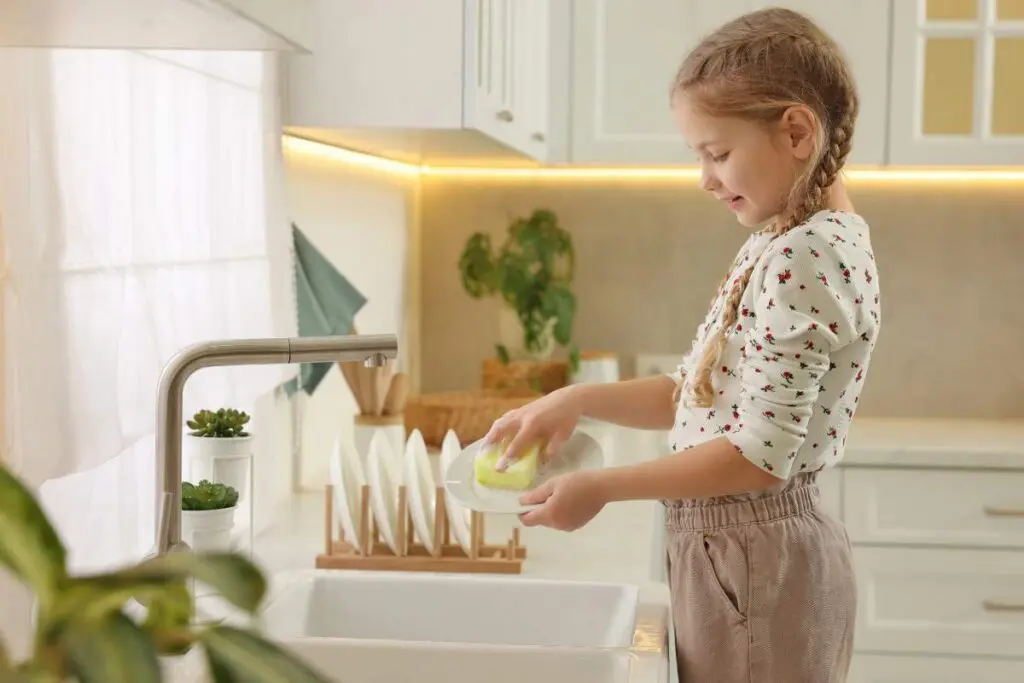
Every family member should know one or two kitchen “jobs.” Maybe one kid unloads the dishwasher, another packs lunches, and someone else wipes counters. It builds ownership and gives you back even five golden minutes every evening.
Track What’s Working (And What Isn’t)
This is the step most people skip. Reflect once a week: which meals flopped? Which nights felt surprisingly easy? What ingredients went unused or ran out too fast?
This kind of light audit takes five minutes but can save you hours of frustration down the line. Smart families don’t repeat mistakes but refine their flow.
Dinners Without The Drama
The most effective time-saving kitchen hacks aren’t big overhauls but small, smart changes to how you do things. The goal isn’t perfection; it’s momentum. Once the flow starts working in your favor, you’ll feel it: meals that appear faster, fewer last-minute scrambles, and a home that hums instead of hurries. Because when the kitchen runs right, everything else just gets a little easier.