
Before refrigeration, supermarkets, and year-round produce, winter cooking had a different logic. Food had to last, meals had to stretch, and the kitchen had to make the most of what had been grown, preserved, stored, or raised months earlier.
That produced a distinctive class of traditional winter foods: broths made from bones and scraps, fermented vegetables, root-cellared produce, preserved meats, and stews that could feed a household for days. These weren’t “wellness foods.” They were practical answers to winter, and some of their rhythms still make sense in a modern kitchen.
The Winter Kitchen Was Built Around What Lasted
Summer rewards speed. Tomatoes get sliced, handfuls of berries are eaten, greens become salads, and fresh produce can go straight from garden to plate. Winter asks for something else. When fresh food becomes less available, cooking shifts toward foods you can store, transform, and stretch.
That is why old kitchens relied so heavily on preservation. Root vegetables could sit in cool storage for months, while cabbage could become sauerkraut or kimchi, meat could be salted or smoked, and bones and vegetable scraps could become the foundation of a pot of broth.
Modern kitchens have refrigerators and grocery stores that erase much of that seasonal pressure. However, the underlying strategy is still useful: build meals around foods that can do more than one job.
The same thinking applies to a modern pantry. A capsule pantry built around versatile staples can make winter cooking easier because one ingredient can move between soups, stews, breakfasts, and side dishes rather than requiring a completely different shopping list for every meal.
The Old Winter Kitchen Still Has Something to Teach Us
The point isn’t to recreate a pre-refrigeration kitchen. It is to borrow the rhythms that made those kitchens work: cook foods that can stretch, preserve what you have, and let one round of preparation carry you into the next meal.
Broth Was a Kitchen Habit, Not a Wellness Trend
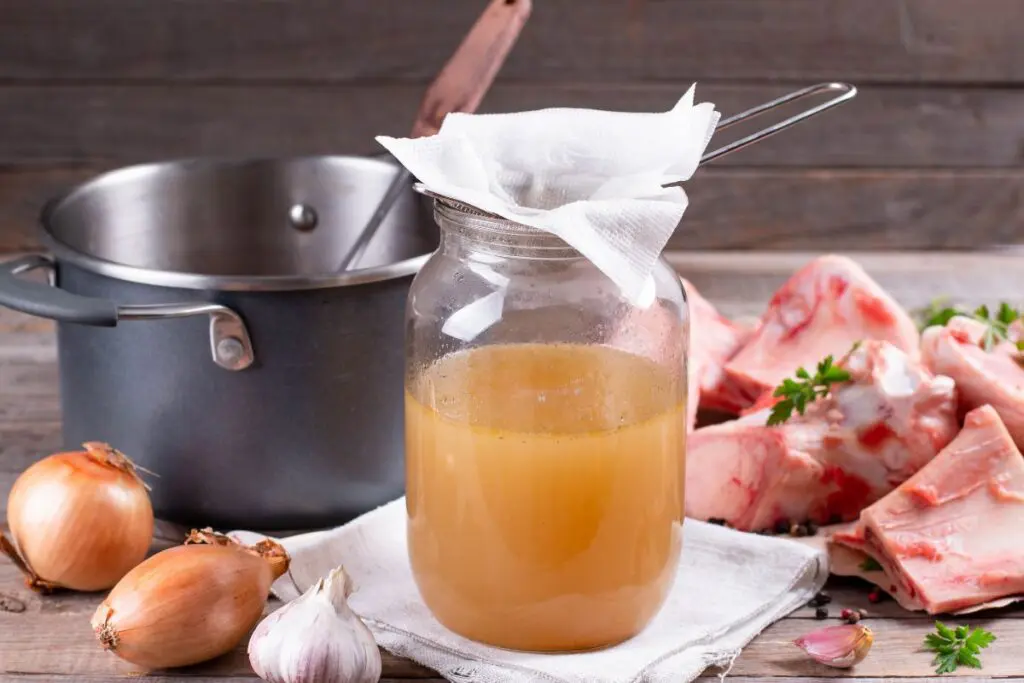
Broth was a practical way to make more of what was already available. Bones, meat scraps, vegetables, and herbs could simmer into a flavorful base for soup, gravy, grains, or another meal. Michael Pollan’s Cooked explores how slow cooking and braising transform simple ingredients while reconnecting cooking with older household traditions.
The modern lesson is simple: make one ingredient work harder. Saving bones and vegetable trimmings and turning them into stock is an old-school survival skill that still makes practical sense. Freeze the finished broth in small portions so you can pull out exactly what you need for a quick soup, enrich a pot of rice or beans, or build a sauce without starting from scratch.
Fermented Food Were Staples
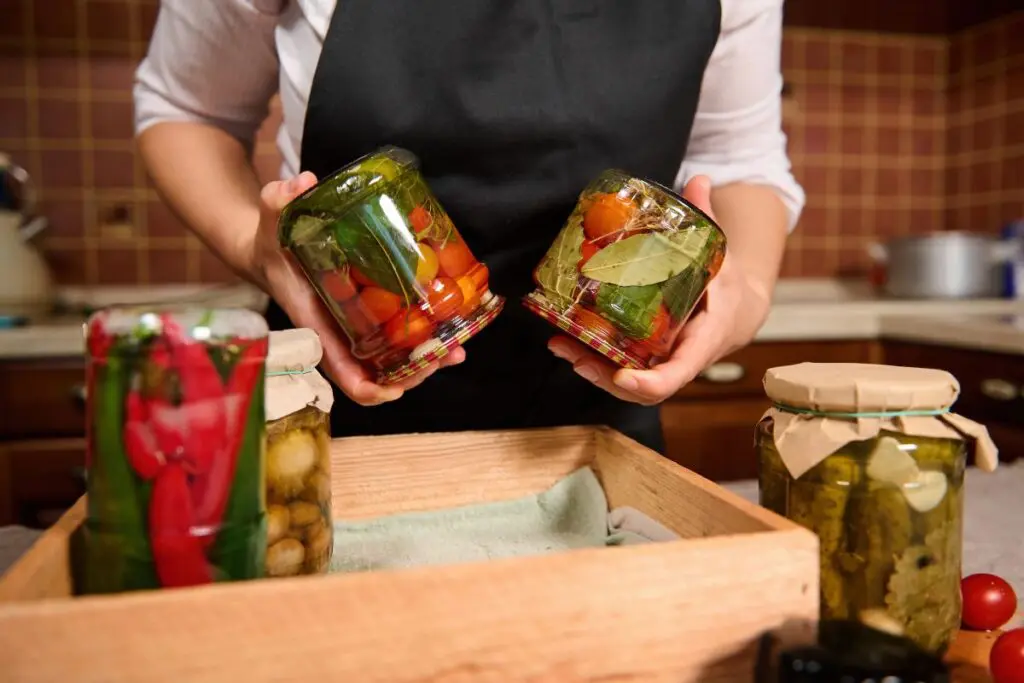
Sauerkraut, kimchi, pickles, and other fermented foods weren’t specialty wellness products. Fermentation was a practical way to preserve seasonal ingredients and extend their usefulness through colder months.
Sandor Katz’s The Art of Fermentation documents the technique across cultures, from vegetables and dairy to grains and meats, emphasizing its long history as a form of food preservation.
You can borrow the rhythm without taking on a fermentation project: keep sauerkraut or kimchi on hand and use a little alongside everyday meals. Learning basic food preservation techniques can also help you think beyond the refrigerator as the only way to make food last.
Stew Was the Original Meal Prep
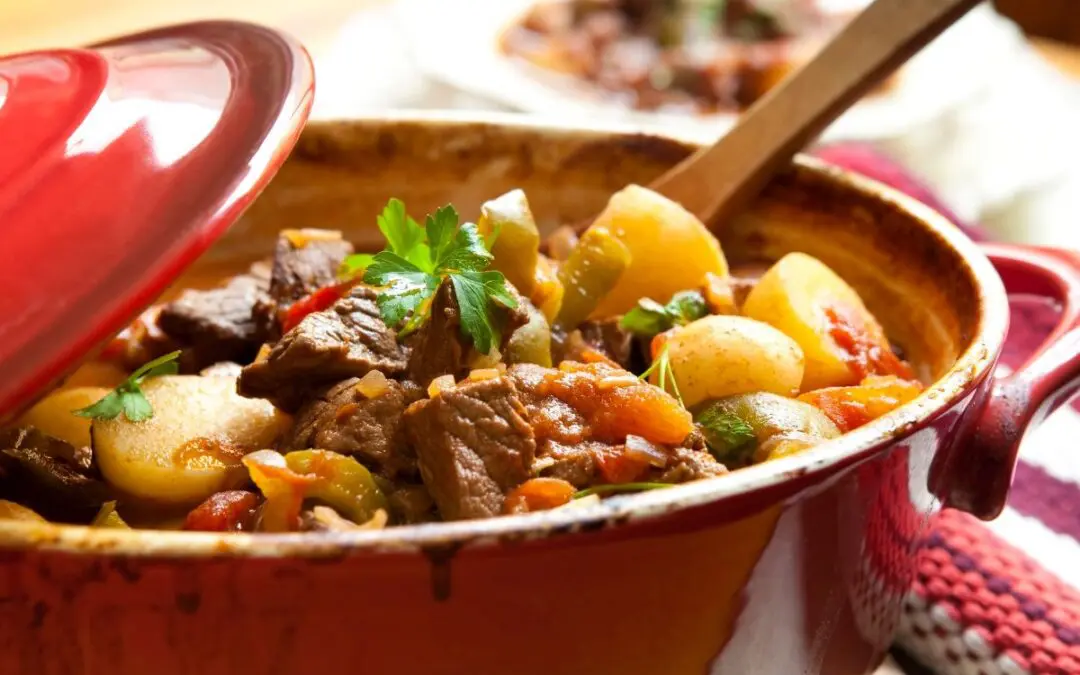
A winter stew solved several problems at once: you could slow-cook inexpensive or tougher cuts of beef, lamb, or pork with onions, carrots, potatoes, beans, cabbage, and other sturdy vegetables until everything became tender and flavorful. One large pot could then feed a household for several meals.
That principle still works as a simple form of meal prep. Make a generous pot on the weekend, then build your meal plan around it for the next few days, turning leftovers into lunches or the starting point for another meal.
Root Vegetables Did the Heavy Lifting
Potatoes, carrots, onions, cabbage, beets, turnips, and squash were valuable winter foods because they could be stored and repeatedly transformed. You could roast them one night, fold them into a stew the next, and turn them into soup later.
A useful trick is to cook more than you need the first time. Roast a large tray of mixed root vegetables and save some for grain bowls, soups, or alongside eggs later in the week. That makes seasonal eating less about restriction and more about working with what the season gives you. A seasonal produce approach can make winter cooking more varied while keeping the ingredients practical and familiar.
Winter Cooking Was Meant to Be Slow
The contrast with summer is part of the story. Summer kitchens can lean on fresh, quick foods; winter kitchens historically relied more on simmering, fermenting, preserving, and cooking large quantities at once.
You don’t need to make every meal an afternoon project. Just choose a few slow rhythms to bring back: a Sunday stew, a weekly batch of broth, or a jar of fermented vegetables that stays ready in the refrigerator. That is the useful part of these traditional winter foods: not nostalgia, but a way of making the kitchen do more with less.
When the Winter Kitchen Becomes a Daily Wellness Routine
The same consistency that makes traditional winter cooking useful can extend beyond the kitchen. Building meals around nourishing staples, staying active, and maintaining simple daily routines creates a broader foundation for everyday wellness.
Adaptogens can also fit into that routine as targeted nutritional support, alongside—not instead of—a varied diet and practical habits. CHOQ Daily can complement that foundation with ingredients designed to support healthy digestion and daily wellness.
The idea is consistent with the old kitchen approach: add support to a solid foundation rather than expecting one ingredient to do all the work.
Bring Back the Rhythm, Not the Rulebook
The real lesson from old cold-weather kitchens isn’t that people in the past had a perfect way of eating. They had a practical relationship with food: preserve what could be preserved, use ingredients fully, cook enough to last, and let the seasons shape what went into the pot.
Traditional winter foods work because they were built around rhythms, not rules. Bring a few of those rhythms into a modern kitchen, and winter cooking becomes less about following a perfect plan and more about making good food, using what you have, and making tomorrow’s meal a little easier.