
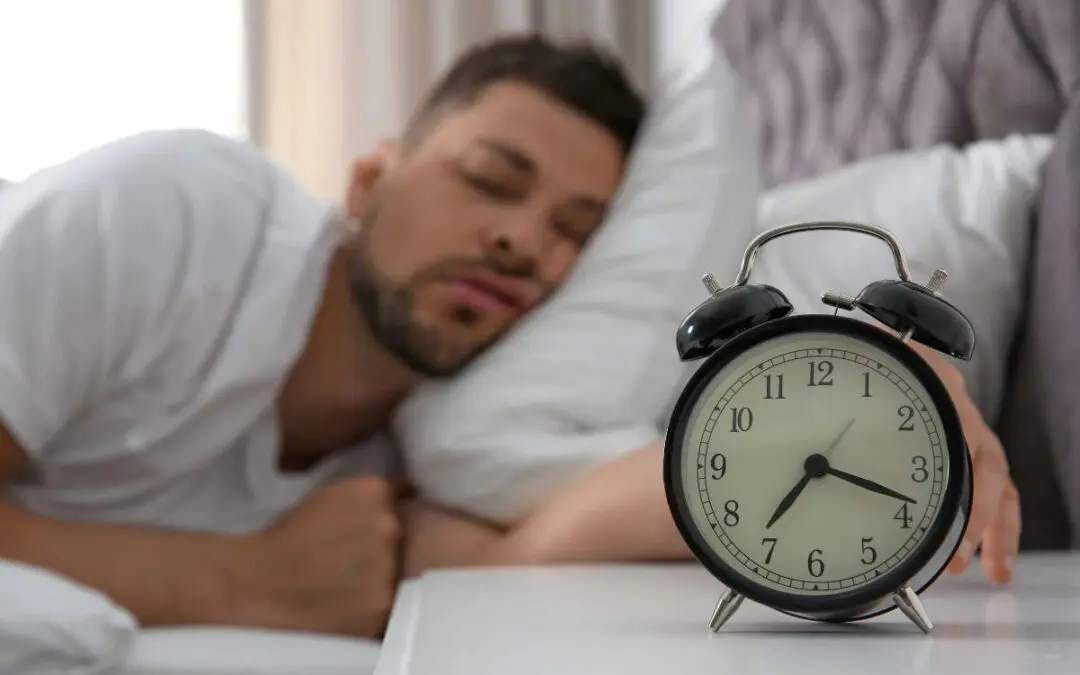
You land from a red-eye, your nerves are frayed from work deadlines, or stress keeps you tossing and turning for nights. Either way, your sleep schedule is now off on vacation. You feel alert at 3 a.m. and barely functional come noon.
This sleeplessness isn’t just your fault – it’s how your circadian rhythm responds to disruption. Learn how travel and stress hijack your internal clock, why typical fixes often fail, and the lesser-known tweaks that can actually pull your sleep back on track.
How Travel and Stress Hijack Sleep
Traveling across time zones forces your internal clock into dissonance: your body thinks it’s still in “home time” while everything around you screams “local time.” This mismatch is at the heart of jet lag. The master clock in your brain, which is the suprachiasmatic nucleus, tries to adapt based on environmental cues like light, but your peripheral clocks within those in your organs, tissues, and hormones may lag behind, causing internal misalignment.
Stress complicates this battle. Elevated cortisol from chronic stress can interfere with circadian rhythms by acting on multiple systems and delaying clock realignment. In people who cross time zones, cortisol rhythms are disrupted: for instance, eastward travel has been associated with lower peak morning cortisol and a steeper awakening response the next day, according to a PubMed Central study.
Chronic circadian misalignment and sleep deprivation further amplify the disruption in cortisol and inflammatory responses. Research shows that individuals under circadian misalignment exhibit altered cortisol dynamics and elevated markers of inflammation compared to well-aligned sleep. Over time, this can degrade sleep quality, mood, cognitive performance, and systemic health.
Resetting From the Inside Out
Think of your sleep system like a computer: when it glitches, you need a soft reboot, not brute force. A smart reset works by re-aligning light exposure and stress regulation simultaneously, rather than battling them separately. Morning light is your strongest “zeitgeber” (time cue), which research shows can shift your internal clock forward more efficiently than multiple scattered exposures.
After traveling or during stressful misalignment, you want to push your clock forward. The best way: expose yourself to bright, full-spectrum light in the early morning, which signals “day start” to your system. As a result, you’ll experience improved mood, sleep, and general well-being, according to research.
Lighting isn’t the only factor. Stress and elevated cortisol act on peripheral clocks and can pull your system out of sync even if your brain’s “clock” tries to reset. Do your best to relax and wind down by engaging in calming activities like reading a book. Support a healthy stress response with some soothing Ashwaganda.
Bright light, dimming strategies, and even blue-blocking interventions are effective adjuncts in restoring alignment in insomnia and disrupted rhythms.
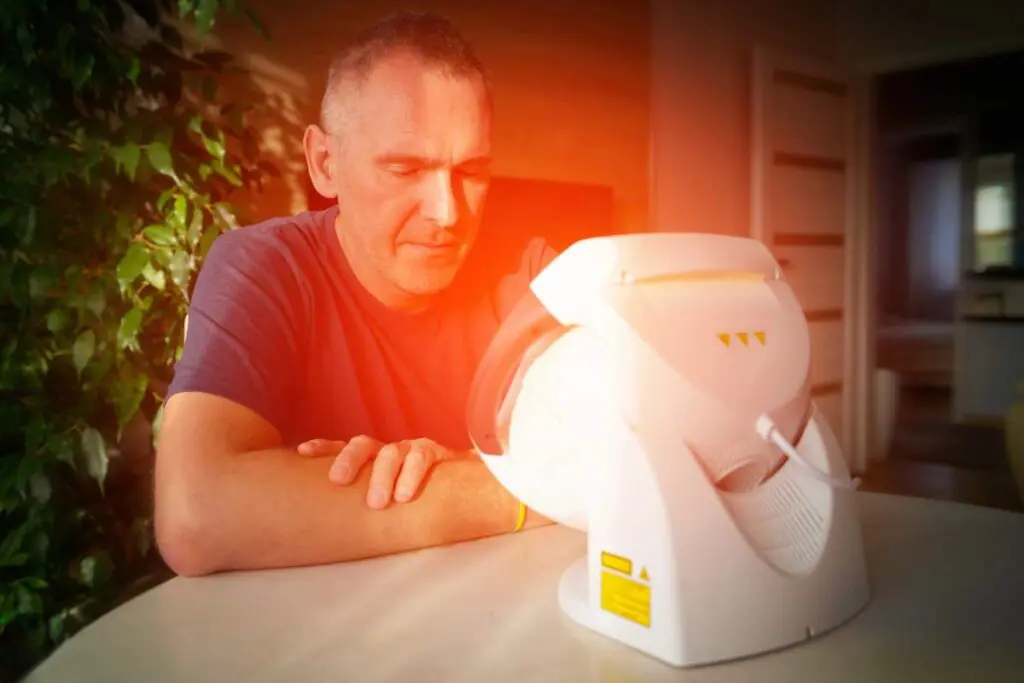
Avoid bright and especially blue-rich light in the evening, because that tells your system it’s still daytime and delays your rhythm. Instead, shift your environment toward warm, low light at least two hours before bed. Think amber bulbs or candle-like tones. A small red-light therapy LED device to travel with can make a huge difference by helping trigger the body into that evening relaxation mode. This simple cue helps your brain ramp up melatonin naturally, syncing your body clock faster than any supplement ever could.

The Calm Reset Routine
Forget drastic routines or melatonin overloads. A gentle, consistent flow is what brings your body clock back online.
- Phase your schedule beforehand: Before travel or during a stressful cycle, shift your bedtime by 30 to 60 minutes each day toward your goal rhythm. This “pre-phase” approach, recommended by the University of Utah Health, can significantly reduce jet lag severity.
- Echo local cues immediately: From Day 1, sleep, eat, and move based on your target time zone. Consistency tells your brain, “This is home now.”
- Use timed light exposure: As mentioned above, seek bright light soon after waking and avoid it in the late evening. Morning exposure trains your internal clock faster than anything.
- Wind down with intention: Dim lights early and use warm, low-intensity bulbs nightly to build a predictable cue for rest. Your brain learns that amber light means “powering down.” You can also make sure your evening routine includes foods rich in minerals for sleep, such as magnesium, which supports normal muscle and nervous system function.
- Use sound as a reset cue: Ambient or predictable soundscapes like soft rain, white noise, or ambient music set a tonal baseline that your brain can associate with calm. Some auditory stimulation systems are even being developed to tailor ambient cues based on your mental state, helping with sleep induction.
- Time your meals strategically: The timing of food intake can entrain peripheral clocks, especially in organs like the liver, helping bring your system back into sync. A recent News Medical study showed how shifts in eating schedules can reprogram liver clock rhythms, nudging metabolic cycles into alignment.
- Move with the morning: Gentle movement or light exercise shortly after waking boosts your core body temperature and dopamine, signaling to your system that “daytime” is here. This helps anchor your rhythm without overtaxing your body post-travel or during stress.
- Manage stress cues: Incorporate breathing, journaling, or light movement when cortisol spikes. Studies published in Frontiers in Behavioral Neuroscience show that calming the stress system helps realign circadian rhythms more effectively than rest alone.
Over just a few days of disciplined signaling, your clock will start to sync again and you’ll feel it first in your morning energy as well as your mood and focus.
Back to You, With Rhythm
Resetting sleep after travel or stress isn’t an overnight miracle – it’s a reprogramming job. Light, stress, and habits all talk to your internal clock. When you speak its language (bright morning light, dim evening, stress modulation), it begins to sync again. The reward? Nights that feel like rest again, mornings that feel like momentum, and a brain that’s not scrambling against time.