

You’ve scrolled “weekly meal plan” until Pinterest is out of ideas, stocked your fridge like a wellness influencer, and prepped those mason-jar salads you never touch. Yet by Wednesday, you’re back to ordering takeout, wondering how this happened again.
Here’s the truth: meal planning isn’t about perfection, discipline, or having the willpower of a personal trainer. It’s about strategy. In this article, we’ll talk about how to build a functional weekly meal plan that bends with your life instead of breaking it, including how to set up your kitchen, mindset, and timing so the system works on autopilot.
What Really Makes a Meal Plan Stick
Before you list recipes and buy containers, certain heavy-hitting factors must be aligned. Think of them as the blueprint of a plan that endures not just one week, but every week.
Lifestyle Fit And Scheduling Reality
Meal plans fall apart not because they’re bad, but because they ignore reality. You can have the most Instagram-worthy dinner roadmap, or even plan for fine dining at home, but if your Tuesday ends in a 9 p.m. meeting or your weekends are unpredictable, it’s already set to fail.
The takeaway? A plan only sticks if it moves with your life, not against it. This is where having a few essential cooking skills, like improvising with what’s on hand, becomes your secret weapon.
Prep Efficiency And Time Management
The best meal plans feel effortless because the prep behind them is streamlined. If you’re spending hours cooking or constantly running out of ingredients, the system collapses.
Harvard’s Nutrition Source highlights that prepping components, like batch-cooked grains or chopped vegetables, makes balanced eating automatic instead of aspirational. Having a system in place, like a capsule pantry stocked with versatile staples, also helps streamline meal planning. When planning is efficient, it stops being “work” and starts being rhythm.

Menu Flexibility And Real-Craving Satisfaction
Rigid meal plans may look disciplined, but they rarely last. Cravings and moods are part of real eating; ignore them, and you’ll end up resenting your own plan. Sometimes, it’s okay to lean into fun food challenges that keep your plan exciting, not exhausting.
Recent research into flexible meal planning found that systems that integrate preferences, lifestyle habits, and dietary constraints improve adherence and avoid the rigidity trap.
Nutrient Diversity And Sustainability
Consistency only works if what you’re eating actually nourishes you. Meal planning isn’t about repeating the same “safe” meals but about keeping variety alive in a way that feels sustainable. Add some superfoods or nutrient-dense swaps to upgrade flavor and function without overcomplicating things. When the plan feeds both your body and enjoyment, it endures.
Alignment With Energy And Costs
The sweet spot of any meal plan sits where energy, money, and practicality intersect. Planning ahead doesn’t just reduce stress but also significantly cuts waste. A 2025 Sage Journals systematic review found that household meal planning and better inventory management are strongly linked to reduced food waste.
When what’s in your fridge matches what you have energy and budget for, you eliminate the “figure it out when I’m starving” loop, and that’s when meal planning starts. Keeping a few emergency food supplies on hand also prevents impulse takeout nights when life goes off-script.
The Anatomy of a Solid Meal Plan
Forget perfection; what you want is rhythm. The best meal plans aren’t strict scripts; they’re flexible frameworks that help you eat well even when life throws you curveballs (which, let’s be honest, it will). Here’s how to build a weekly meal plan that fits real life.
Design Your Week Like a Realist, Not an Optimist
Your week isn’t a spreadsheet but a mix of chaos, cravings, and nights of “I’m too tired to cook.” So plan for it.
- Match meals to energy levels: Heavy cooking on Mondays? No thanks. Save “real” recipes for midweek when you’ve hit your stride, and make Mondays low-effort: sheet pans, stir-fries, or even lazy pastas.
- Theme days work: Think “Taco-ish Tuesday” or “Soup + Salad Thursday.” These soft anchors reduce decision fatigue while keeping options open.
- Leave breathing room: Over-planning is the fastest route to burnout. Have quick breakfast ideas and dump and go meal recipes ready and schedule one “whatever happens” night, because it will happen.
Use these meal prep ideas as part of your weekly plan, choosing recipes and prep tasks that match the rhythm of your week rather than forcing yourself to cook the same way every day.
Build Your Grocery List Backwards
Most people make their meal plans, then shop. Smart meal planners do it the other way around.
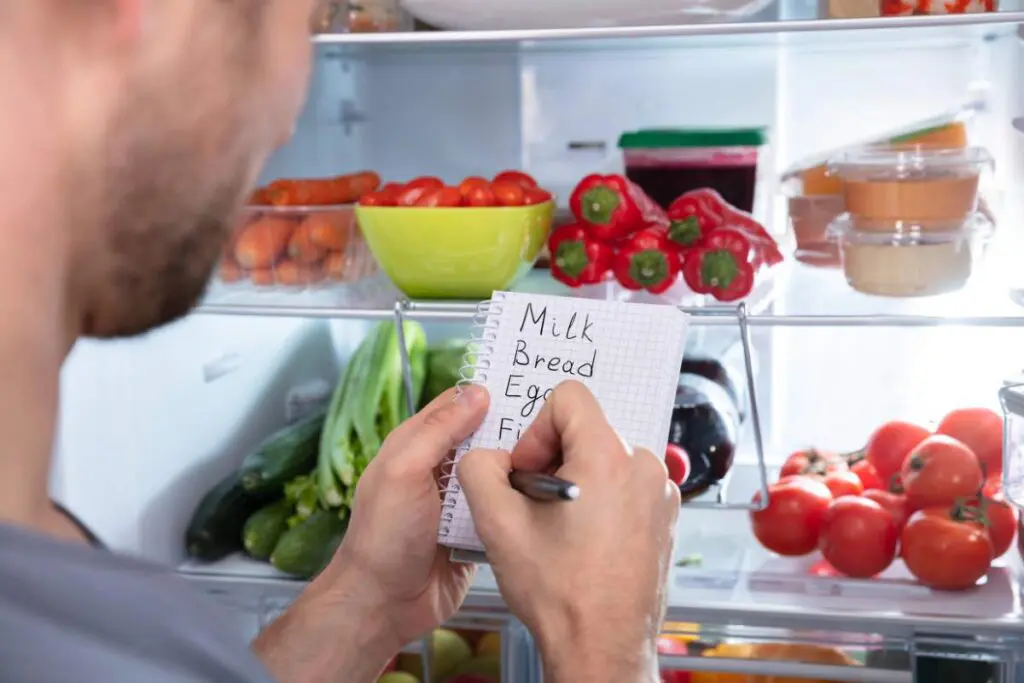
- Shop your fridge first: You probably have half the ingredients for three dinners hiding behind that jar of pickles. Build from what’s already there, then turn to your pantry staples to round things out and create easy pantry meals. It’s cheaper and smarter.
- Plan by ingredient overlap: Pick ingredients that multitask: roast veggies that become breakfast hashes, grains that double as lunch bowls. It’s not repetitive; it’s strategic laziness.
- Preempt waste: Plan meals that naturally use up perishables midweek (like soups or wraps). Food waste is meal planning’s silent budget killer.
Adapt Without Abandoning the Plan
Meal plans don’t fail because they’re bad; they fail because life happens.
- Create “swap spots”: Always have 2 to 3 backup meals that require minimal effort. Think pantry pasta, eggs-on-toast, or rice + frozen veggies. They save you on the nights your plan implodes.
- Batch cook smarter: Instead of making full meals, prep components like grains, dressings, and roasted veggies. You’ll get flexibility and freshness without committing to seven identical lunches.
- Use the 80/20 rule: If 80% of your meals follow your plan, that’s success. The other 20%? That’s life (and probably takeout).
Make It Sustainable, Not Punishing
Consistency beats intensity. Your plan should feel supportive, not restrictive.
- Rotate favorites, not fads: Keep a “meal bank” of recipes your household actually eats. Add one new recipe per week, max. Test it, rate it, and keep the winners.
- Automate decision-making: Reuse last week’s plan with tweaks. The best planners aren’t reinventing the wheel; they’re just steering it better.
- Make the environment work for you: Keep visible produce on the counter, meal-prep containers ready, and snacks portioned. Environmental cues nudge behavior more than willpower ever will.
Plan to Recharge, Not to Restrict
The goal isn’t to grind away in the kitchen – it’s to feel grounded because of what you eat. A truly sustainable meal plan doesn’t demand discipline; it restores it. It’s about designing rhythms that give back more than they take and enjoying meals that refuel you instead of draining you, and eating in a way that fuels sustained energy and focus throughout the week.
The fewer micro-decisions you make, the more mental clarity you reclaim for everything else that actually matters. In the end, the best weekly meal plan doesn’t just feed your body but also protects your energy.