
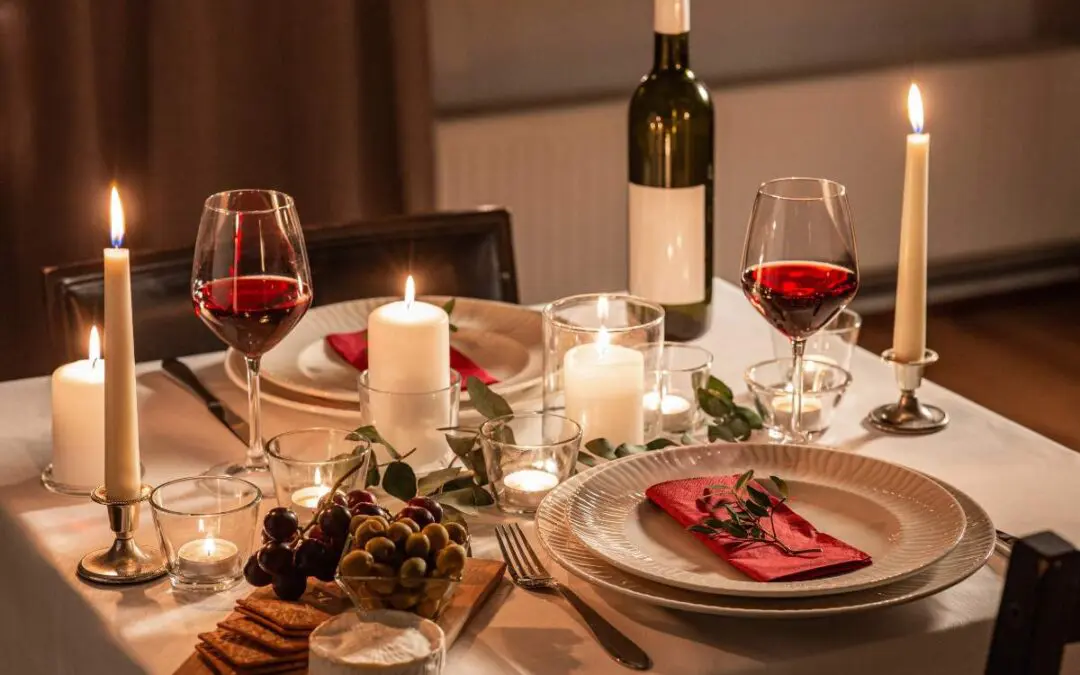
Ah, yes, fine dining. It has that magic that makes a simple potato suddenly worth thirty dollars and a napkin fold feel life-changing. But here’s the secret the restaurant industry doesn’t want you to know: most of that elevated experience has nothing to do with complicated cooking. It’s all atmosphere, intention, and clever little details that trick your brain into thinking, “wow, I’m fancy”.
The good news is that you can recreate that same elevated energy at home without triple-washed microgreens or twenty-step recipes. Right now, people are investing in experience-first meals, even when they’re cooking simple food. It’s a trend chefs, home entertainers, and TikTok food stylists are leaning into: luxury by design, not effort.
Below is your roadmap to making any meal, even Tuesday night pasta, feel like it walked out of a Michelin-guided mood board.
Fine Dining Isn’t Just About The Food
Fine dining has never been just about the food – it’s the full sensory choreography. Per the 2025 Hospitality Trends & Insight roundup, top restaurants reported that guests now expect thoughtful details like curated decor, intentional table settings, and even ingredient storytelling baked into the dining experience.
A 2025 Research Gate study backs this up, noting that soft, warm lighting encourages lingering and enhances perceived food value, while décor and layout, from tableware to plant accents, subtly shape emotional responses. When your surroundings feel intentional and elevated, your brain leans into the experience and perceives your food as more refined and more indulgent.
Ingredients set the tone. Place settings frame the moment. Décor pulls the room together. And lighting, arguably the most overlooked factor, sets the emotional temperature of the entire meal. When all four work in harmony, the meal feels elevated, intentional, and surprisingly luxurious (even if it took you five minutes to plate and 10 minutes to cook).
Simple Tricks To Elevate Your Meals at Home
Now that you know that food is only half the experience, it’s time to bring that fine dining magic into your own kitchen. You just need a few smart, sensory tricks that elevate the everyday into something that feels intentional, warm, and a little bit indulgent.
Upgrade Your Everyday Ingredients
A meal feels elevated when the ingredients taste bright, fresh, and thoughtfully chosen. You don’t need fancy imports, just smarter swaps. Even growing your own food, whether it’s a pot of basil on the windowsill or a small balcony herb garden, instantly upgrades flavor and brings that just-picked vibrancy restaurants rely on.
Small ingredient upgrades that make a big difference:
- Use finishing oils such as cold-pressed olive oil or toasted sesame oil for drizzling. It instantly boosts aroma and richness.
- Season with flaky salt instead of fine salt for a restaurant-style crunch.
- Add an acid pop like lemon zest or vinegar to wake up dull flavors.
- Keep a “chef’s trio” of fresh garlic, herbs, and citrus on hand for instant depth.
- Choose better basics, such as good broth or quality butter, which set the tone for the whole dish.
Build a Plate That Actually Looks Good
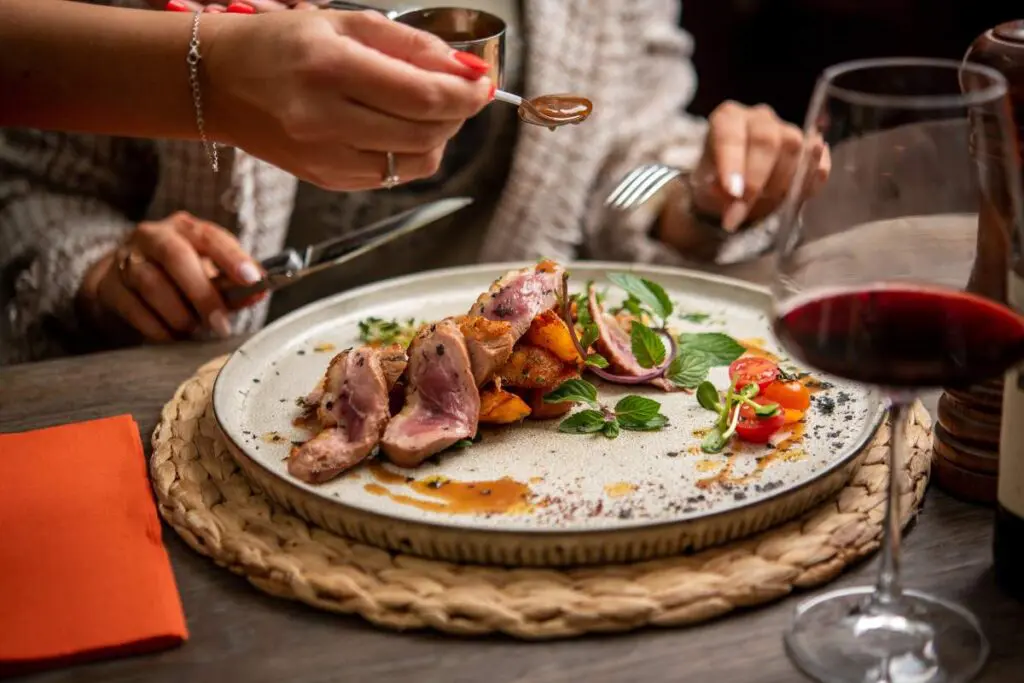
If you’re a home chef who knows even the most basic cooking skills, you’re good to go. Presentation is half the experience. You’re not aiming for Michelin cooking or plating, just a plate that says “I tried” without actually trying. Cook the meal with your partner for a fun date night at home experience.
Keep it effortless:
- Use the rule of thirds: protein on one section, veggies on another, carbs on the last.
- Add one fresh element like herbs, lemon slices, or chopped greens.
- Choose white plates or minimal patterns for a clean backdrop.
- Wipe the edges of the plate before serving for an instant restaurant feel.
Fine dining almost never overloads the plate, and that’s exactly why it looks elegant. Restaurants use a simple visual psychology rule: give the food room to breathe. Aim to fill only 55 to 65% of the plate’s surface.
This spacing instantly makes the dish look more intentional, more expensive, and more “chef-driven.” Keep proteins slightly smaller (4–6 ounces), add a modest but tall spoonful of carbs, and let the vegetables provide volume and color.
Height matters more than quantity, so stacking or layering makes even a basic dish feel architectural. When the eye sees clean negative space and balanced portions, the brain interprets the meal as higher quality, more curated, and yes… more satisfying even before the first bite.
Set the Table Like You Mean It
No need for formal linens or multiple forks, just a few pieces that signal “this meal matters.” Setting the table activates what designers call “environmental priming.” When the environment feels intentional, the meal feels more special.
Simple ways to elevate your place setting:
- Add a cloth napkin or even a folded kitchen towel as a napkin alternative.
- Use a charger or placemat to anchor your plate visually.
- Choose one signature piece, such as a pretty bowl or a gold spoon.
- Add a small water carafe to the table. It instantly feels fancy.
Let Lighting Do the Heavy Lifting
Lighting is the difference between Tuesday night dinner and romantic bistro energy. Research from the Cornell Sensory Evaluation Center confirms that ambient light influences our sensory perception, with warmer hues making food feel richer.
How to fake restaurant lighting at home:
- Turn off harsh ceiling lights.
- Use warm table lamps or a countertop lamp.
- Add candles (unscented for meals) for warmth.
- Try string lights or LED strips for a soft glow.
Bring in Natural Elements
Restaurants know that subtle nature touches calm the brain and enhances appetite. It’s not just aesthetic; there is real neuroscience behind it. According to a 2024 Integris Health report, biophilic design, which includes natural materials, indoor plants, and nature-inspired textures, is linked to reduced cortisol levels and greater emotional calm. That’s why upscale restaurants lean into plants, stoneware, and warm, earthy tones.
Easy decor swaps that make a real impact:
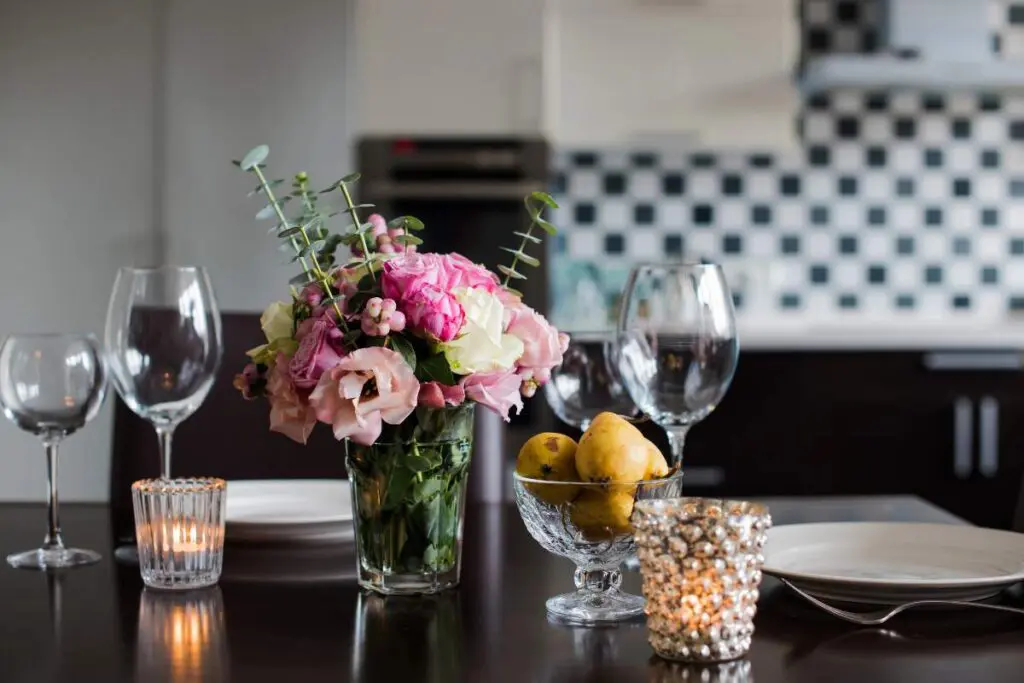
- Add fresh greenery in a jar or vase. Even one stem of eucalyptus or a single monstera leaf can make the table feel intentional. It also contributes to better air quality.
- Use wooden boards, woven mats, or ceramic bowls for warmth. These natural textures signal “artisanal” and instantly elevate even simple meals.
- Try neutral color palettes so the food becomes the main event. A calm setting shifts your focus to flavors and textures, just like in fine dining.
Create a Signature House Drink
Every high-end restaurant has something memorable to sip. Your home can too, giving your meal flow and identity. Adding one signature drink to your weekly meal plan makes even simple food feel intentional.
A few ideas:
- Sparkling water with lime and mint
- Ginger iced tea with honey
- A “house spritz” with juice and soda
- Flavored ice cubes made from berries, herbs, or citrus
Add a Final Touch That Seals the Experience
Fine dining restaurants always end with a moment – something that quietly says the meal is complete. That final touch affects how you remember the entire dining experience. The ending matters more than everything else you did, so yes, you absolutely should finish strong.
Try these simple finishing touches:
- A bowl of fruit or chocolates in the center of the table signals hospitality and feels luxuriously old-school.
- A tiny dessert to share. Mini portions make dessert feel indulgent without the heaviness.
- A warm towel or lemon water to rinse hands for messy meals. It’s a spa-meets-restaurant moment that feels absurdly fancy for how easy it is.
- A one-song playlist “finale” before clearing the table. Think of it as your unofficial curtain call; the vibe shift tells everyone the meal was an experience.
Smarter Choices, Fancier Meals
At the end of the day, turning a regular meal into a fine-dining experience combines your food choices with smart, sensory design. Choose elevated ingredients, plate with intention, layer your lighting, and add decor and scent that support the mood.
These subtle upgrades tap into how your brain perceives flavor, value, and comfort, helping you enjoy more, stress less, and make each meal feel like an event. Whether you’re celebrating major life milestones or simply making an ordinary Tuesday feel special, give a few of these ideas a try and you might be surprised by how your own kitchen becomes your favorite restaurant.