
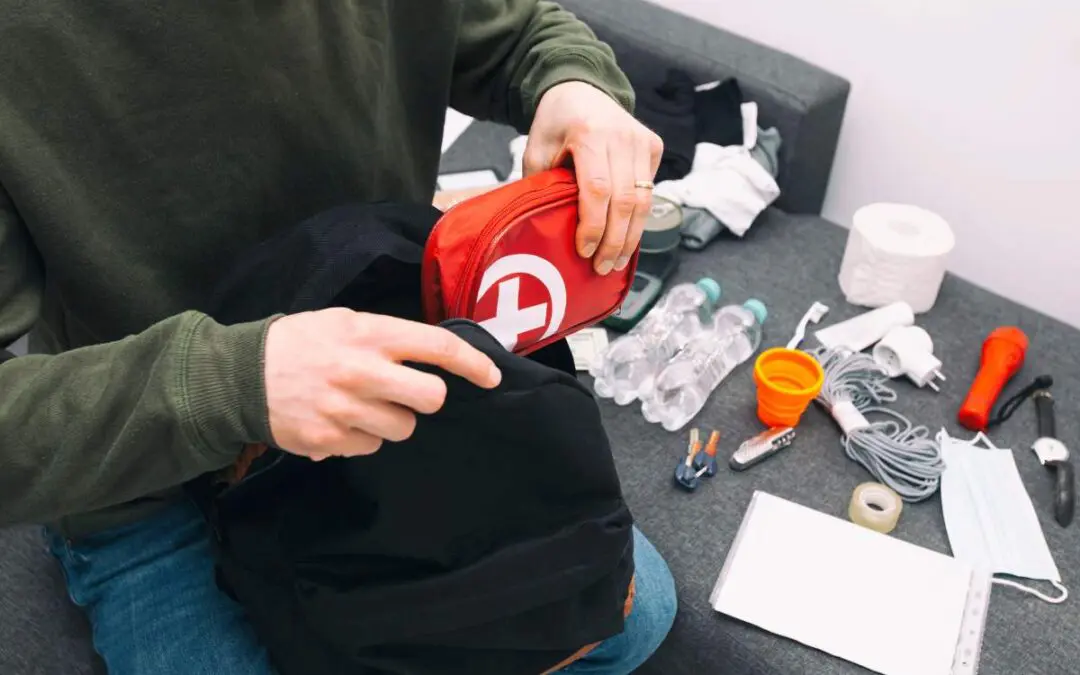
Sudden blackouts, earthquakes, trips to the hospital- chaos doesn’t give you a heads up. The goal of any emergency kit, particularly one for earthquakes, is to keep you calm and collected so you can do what is necessary when others might be panicking. This guide walks through exactly what to pack, where to stash it, and how to keep it fresh, so when nature throws the first punch, you’re ready to respond, not react.
Preparedness is Self-Leadership
Emergencies don’t come with a warning label, but the signs are always there and the biggest mental block is denial. “It won’t happen here,” or “I’ll deal with it later.” Sound familiar? According to FEMA, only 39% of Americans have an emergency plan, even though over 100 million people live in areas at moderate or high earthquake risk.
Knowing that you’ve handled the logistics ahead of time allows you to focus on making good decisions in a disaster situation. Pack the right gear, and you don’t need to waste time searching for a flashlight. There’s also the psychological benefit of reduced anxiety. In a paper operated by the United Nations Office for Disaster Risk Reduction, people who feel prepared report lower stress during disasters. That calm is earned and the opposite of fear, it’s leadership.
What Actually Belongs in a Grab-and-Go Kit
An effective emergency kit can br broken down into a few core, functional categories: hydration, power, protection and communication. Here are the essentials to prioritize so you’re covered when it matters most.

Hydration and Nutrition
Dehydration and energy crashes kill focus and after a quake, you may lose access to clean water, hot food, and a working kitchen. You need fast fuel and a backup hydration plan:
- Stay hydrated even if pipes burst: Pack 1 liter of water per person + water purification tablets or a LifeStraw in case tap water is unsafe.
- Keep energy up when stores are closed: Include at least 3 days’ worth of high-calorie, shelf-stable energy bars or fast fuel with targeted energy support, like Choq’s Max Performance STAQ, to help stabilize focus and prevent crashes when adrenaline wears off.
Light and Power
Expect an instant blackout– power lines can go down and streetlights fail. You need to see clearly, stay connected, and keep your devices alive:
- See in the dark during blackouts: Carry a headlamp for hands-free visibility in damaged buildings or at night.
- Keep gear working when the grid is down: Add spare batteries that match your flashlight/headlamp and make sure you check that they work quarterly.
- Stay connected and powered: Include a fully charged power bank and USB phone charger to keep your device usable.
Personal Protection and Injury
Glass, dust, and debris are guaranteed because earthquakes shred buildings, rupture pipelines, and scatter sharp hazards everywhere. You need basic PPE to protect against avoidable injuries:
- Protect lungs from dust or collapsed structures: N95 mask filters harmful particles kicked up by debris.
- Avoid cuts and exposure to contaminated surfaces: Nitrile gloves for hygiene and safe handling of rubble.
- Prevent hand injuries when clearing debris: Sturdy work gloves shield against broken glass, nails, or sharp edges.
- Shield your eyes from flying debris or dust clouds: Safety goggles can prevent disabling eye injuries.
First Aid and Survival
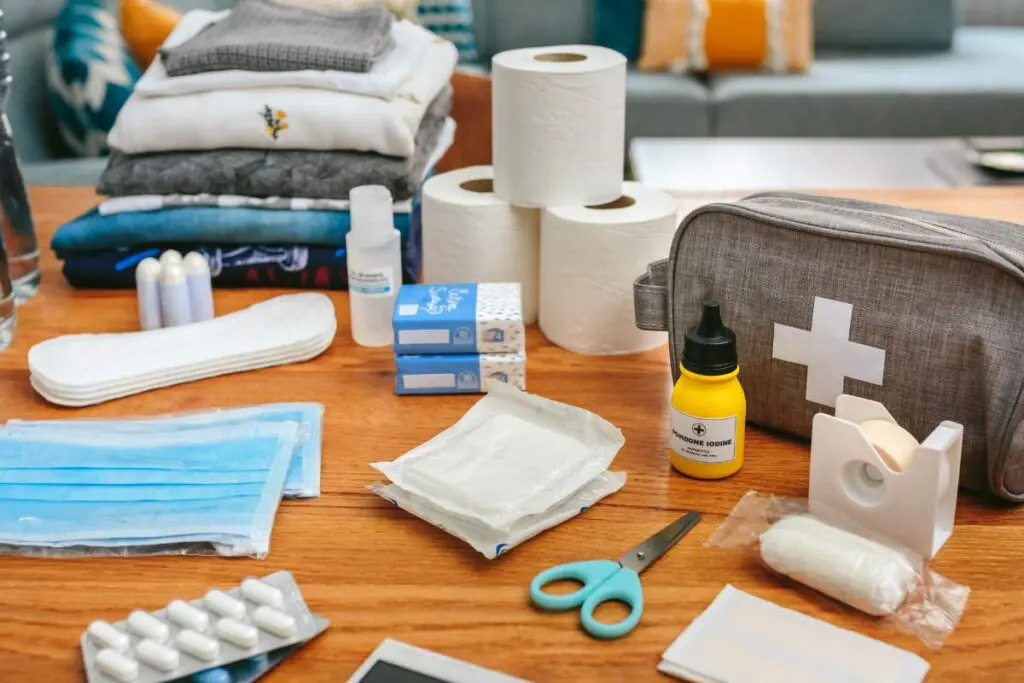
Aftershocks, blocked roads, and overwhelmed hospitals means help won’t be able to come quickly, requiring you to be your own medic. You need gear that stabilizes small injuries and prevents exposure:
- Handle basic injuries until help arrives: Compact trauma-focused first aid kit with gauze, antiseptic, antihistamines, and painkillers.
- Stay warm if stuck outdoors or in damaged buildings: Emergency blanket retains body heat.
- Stay dry and protected from the elements: Lightweight rain poncho folds small but prevents hypothermia.
- Fix broken gear or create shelter on the fly: Duct tape handles patch jobs, sealing, and emergency repairs.
Communication and Navigation
When phones go down, confusion ramps up. You need ways to signal, record, and orient yourself when tech fails:
- Signal rescuers if trapped or lost: A whistle will carry farther than your voice in chaotic conditions.
- Leave notes or document important info: A notepad and pencil work without battery or cell service.
- Break through jammed doors or clear minor blockages: A compact pry tool or mini crowbar helps you escape confined spaces.
Analog Essentials
No power means no ATMs and no cloud backups, so paper copies and analog backups are essential:
- Prove identity and access aid services: Carry paper copies of ID, insurance info, and emergency contacts in a waterproof ziplock.
- Buy essentials if cards don’t work: Keep a small stash of cash in small bills for backup.
- Avoid injury while evacuating barefoot: Pack sturdy closed-toe shoes + clean socks in case the quake hits while you’re sleeping.
Build It, Store It, Rotate It
An emergency kit only works if you can reach it, use it, and trust it. For starters, make sure your gear is accessible, visible, and logically placed based on your daily movements and exit routes. Store it near the front door or in a closet closest to your most-used exit. The container matters too. Use a sturdy, waterproof backpack or a soft-shell duffel bag with multiple compartments. Avoid bins because carrying them can be complex when every second counts.
Even the best kit will eventually turn useless if it’s out of date or out of juice. Set a recurring reminder on your calendar to refresh your kit. Check for expiration dates, leakages, and packaging issues on food, water, and medication. Take out any electronics, batteries, and power banks and recharge or replace them. Lastly, ensure that your personal information including emergency contacts, medical information, and insurance copies are up to date.
Calm the Quake
Earthquakes hit hard and fast, but preparation doesn’t need to be complicated. You already know what matters: a kit you can grab, tools you trust, and a body-mind system that can handle the unexpected. Knowing you’re prepared allows you to feel confident and collected when it matters most.