
If you’ve ever stood in your living room and thought, Wow, this feels smaller than I remember, you’re not alone. Square footage might not be fixed, but the perception of space is wonderfully flexible.
A recent study showed how things like lighting, surface colors, and even wallpaper patterns can trick the brain into feeling like a room has expanded without anyone tearing down a single wall. The good news? You can borrow those strategies for your own home.
The secret lies in creating flow, light, and visual relief so your space feels like it breathes. It’s not about filling your house with mirrors or painting every wall white. It’s about layering techniques that play with perception and comfort in ways most people overlook. Here’s how to make a room feel bigger, the easy, affordable way.
Sightlines and Visual Flow
The way your eyes move through a room can change how big or small it feels. By opening up sightlines and guiding the gaze, you can trick your brain into thinking there’s more square footage than there really is.
Keep sightlines clear
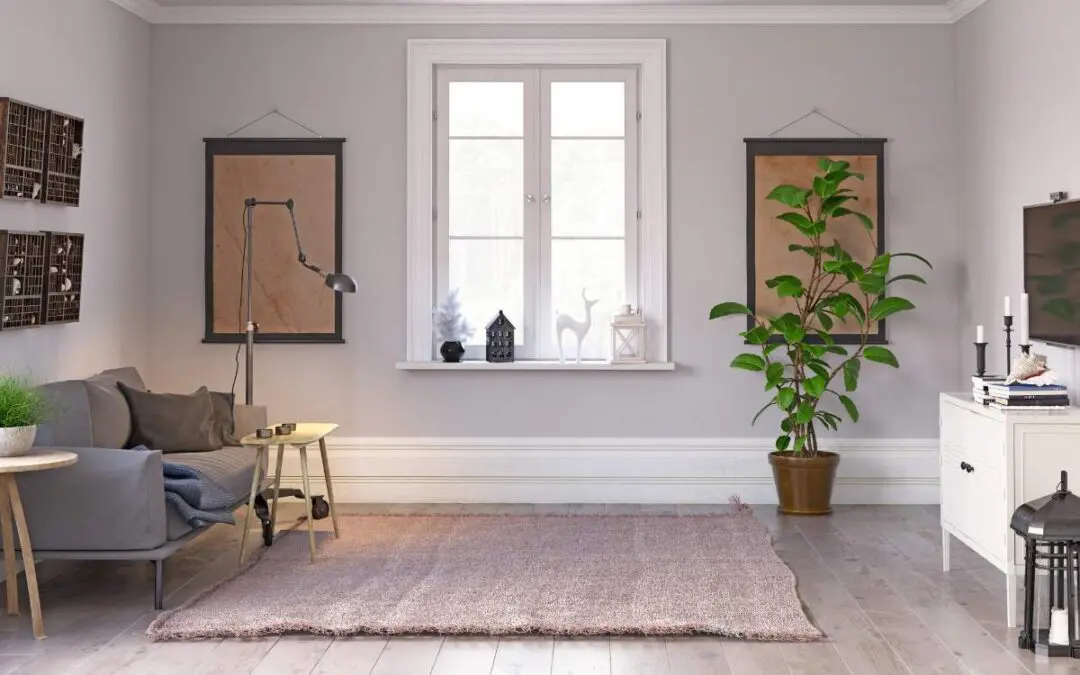
Low, bulky furniture blocks the eye and makes rooms feel boxed in. Opt for pieces with visible legs, glass tops, or open bases that allow your eyes to “travel” through the space. Designers call this visual permeability, and it works because uninterrupted views trick your brain into registering more room.
Soften boundaries
Sharp edges act like visual stop signs. Rounded furniture, arched mirrors, and curved lampshades smooth the flow, making corners feel less rigid. Wallpapers with oversized botanicals or abstract swirls, one of 2025’s biggest design trends, can visually stretch a wall, giving the impression of more space.
Guide the gaze
Use your floor to direct sightlines. A single oversized rug creates one unified foundation, while subtle gradients or diagonal patterns pull the eye outward. Research from Livingetc supports this, saying that diagonal lines make interiors feel more dynamic and larger than they are.
Layer Your Viewpoints
Rooms feel larger when there’s more to visually “discover.” Instead of one focal point, create depth by layering décor at different heights like pairing a tall plant with mid-level artwork and a low coffee table. This vertical variety keeps the eye moving, which tricks the brain into reading the space as more expansive. Mirrors also help here, bouncing back reflections that extend your line of sight and add another layer of perceived depth.
Light and Reflection
Light is one of the most powerful tools in design because it shapes how we perceive depth and space. With the right balance of natural glow, layered lighting, and reflective surfaces, even the dimmest corner can feel open and airy.
Layer natural and artificial light
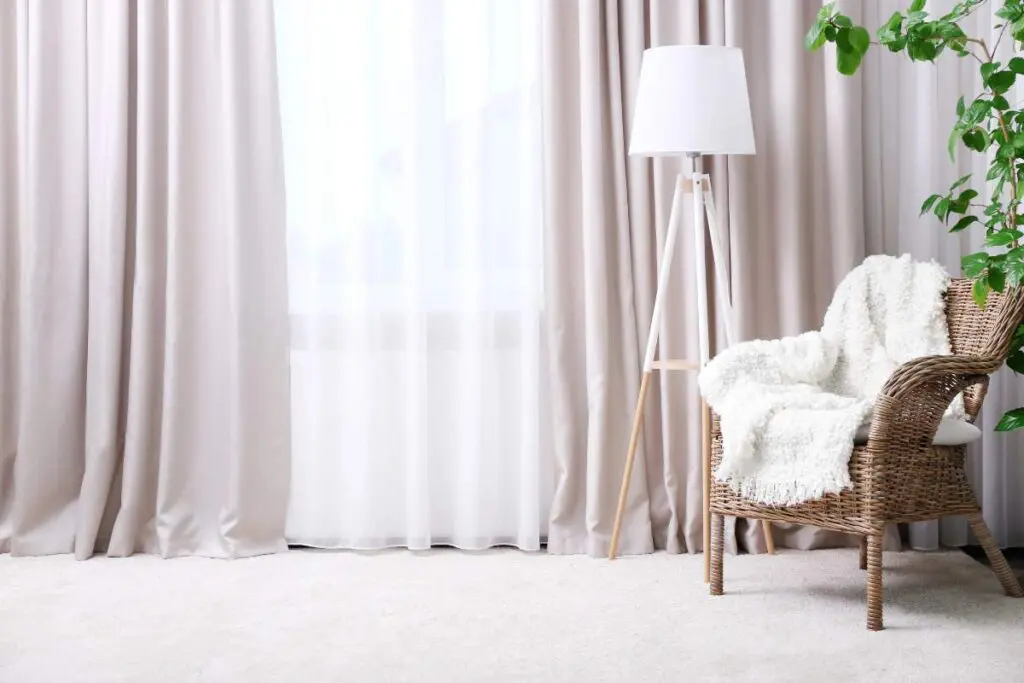
Sheer curtains that filter (not block) daylight keep brightness steady. Reflective finishes like glossy tables, pale rugs, or metallic accents help scatter light deeper into the room.
Use uplighting strategically
LED strips tucked behind furniture or in corners bounce light upward onto ceilings and walls, creating depth without any remodeling. Overhead lights, on the other hand, are harsh and keep the brain in “alert mode” long after you should be winding down or trying to fall asleep.
Add reflective anchors
Mirrors aren’t just decorative. When placed across from windows or light sources, they double the brightness and extend the illusion of space. Try leaning a large mirror instead of hanging art in small rooms; it becomes both wall art and a space enhancer.
Space Psychology and Nature
Clutter and heavy furniture aren’t just physical obstacles – they’re mental ones. Streamlined storage and natural elements like plants create a calmer, more expansive atmosphere that makes your space feel bigger without effort.
Contain the clutter
Storage isn’t only functional; it’s psychological. Closed storage with flat, minimal fronts reduces visual noise. For open shelving, follow the 60/40 rule: fill about 60% and leave 40% intentionally empty. That negative space is what tricks your brain into feeling “room to spare.”
Draw the eye upward
Vertical accents like tall plants, bookcases, or even floor-to-ceiling curtains emphasize height. Fiddle leaf figs, snake plants, or slim palms highlight vertical space you may not notice otherwise.
Connect indoors with outdoors
Clusters of greenery near windows naturally extend the view outward. A recent MDPI study shows that natural elements increase the perception of openness because the brain associates them with wide, open landscapes.
Color and Contrast
Color is one of the fastest ways to make any room feel bigger. The right mix of light, depth, and consistency can transform even the tightest space into something airy and expansive.
Lean into light shades
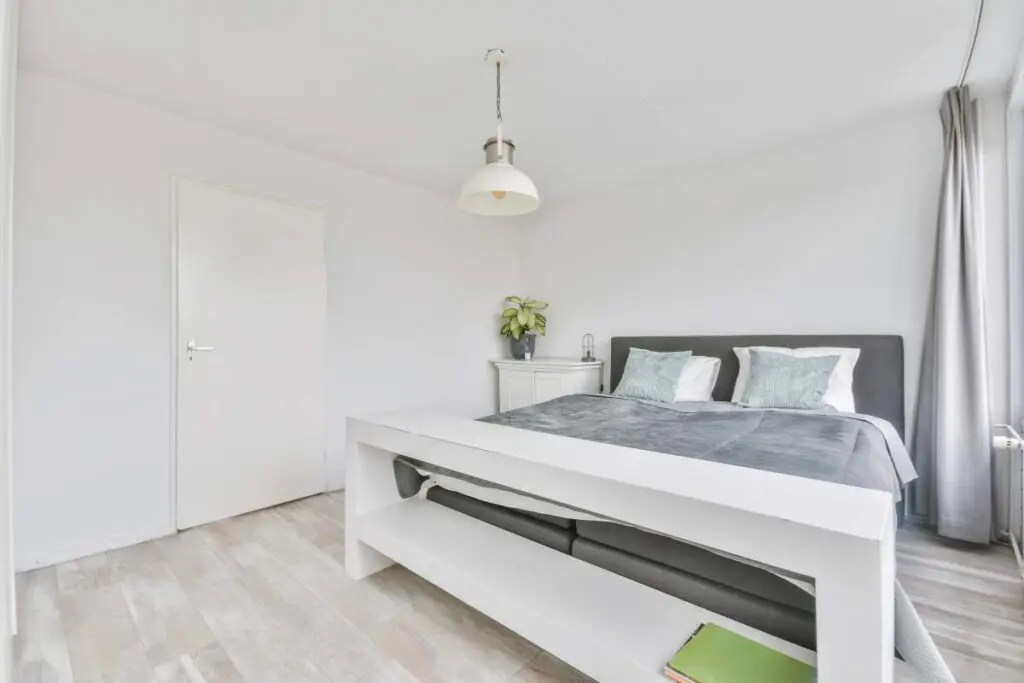
Soft whites, creams, and pale grays reflect more light than darker tones, which makes walls feel like they’re receding instead of closing in. This effect brightens the entire room and creates an instant sense of spaciousness.
Add contrast for depth
Pairing a lighter wall color with a darker accent wall, trim, or even furniture edges tricks the eye into seeing more layers within the space. The added dimension gives the illusion of depth without making the room feel heavy.
Keep it cohesive
A limited, consistent palette keeps your eye moving smoothly around the room instead of stopping abruptly at competing colors. This visual flow is what makes a space feel calm, open, and thoughtfully designed.
Play with finishes
Matte walls paired with glossy or metallic accents (like a reflective lamp base or side table) create subtle shifts in how light is perceived. These shifts expand the sense of openness without overwhelming the space.
See Bigger With Smaller Shifts
Making a room feel bigger isn’t about tearing down walls, it’s about tricking your brain in the smartest way possible. Sightlines, light, storage, and color all work like little optical illusions that change how you experience a space.
The beauty is, these tweaks are faster and cheaper than a remodel, but the payoff feels huge. At the end of the day, you don’t need a spacious room to relax, boost your mood, or feel energized. You just need simple smart design choices that trick your brain into seeing openness and moving through your home like it has room to spare.