
You’ve seen it in the movies: the spur of the moment road trip with the windows down and music blasting… no destination, just vibes. On the screen, it’s chaotic perfection, but in practice, it’s usually drab and anticlimactic. Missed turns, hanger meltdowns, and wasted daylight trying to figure out where to go. Too much “spontaneity” at the cost of efficiency is a recipe for dysfunction and time wasting.
There’s a sweet spot between rigid planning and freewheeling disorder, and you can hit it with a few simple systems. This guide breaks down how to prep light, stay energized, and consistently enjoy spontaneous mini adventures without burning out. Here’s how to become a pro at strategic spontaneity.
Stop Winging It
The belief that the best adventures happen when you “just go” can lead to disappointment. It’s not a lack of imagination that derails spontaneous trips, it’s a lack of preparation for reality: hunger, indecision, bad timing, and low energy. Spontaneity only truly works when you’ve got the basic preparations for a quick day trip or adventure outing already prepped.
Drop the fantasy to build something better: planning makes spontaneity possible. Think of it as building a container that gives your day shape, while leaving space for improvisation. The right amount of structure handles the essentials so you can focus on the experience. This gives you the psychological and logistical safety to explore more freely.
Prep for Spontaneity
Spontaneous trips start days and even weeks before you leave the house… in the small habits that lower the barrier to action. Want to say yes to an expected drive, trail hike, or park trip? That decision becomes much easier and quicker to pull the trigger on when your basics are handled and you’ve built systems for readiness into your life:
- Keep a grab-and-go setup ready: Bathing suits, a water bottle, a change of clothes, a small towel or blanket, snacks that don’t melt, a book or journal, and a phone charger are a solid starting point. Think of it like travel muscle memory. Something you can grab in under a minute and trust to have your essentials. Like a bug-out bag for fun day trips.
- Know your spontaneous radius: Having three to five go-to destinations within one to two hours of home makes all the difference. These are high-reward, low-effort defaults that fit your mood, your energy level, and the season.
- Batch your chores to free up exit windows: If laundry only gets done Sunday night or your fridge is always empty by Friday, your schedule leaves no room to say yes. Front-load the basics midweek so your weekends are structurally open.

Think Like A Spontaneous Person
The hardest part of being spontaneous is the mindset. You want to make space for adventure, but your brain has been trained for optimization, control, and productivity. The key to enjoying a spontaneous plan means loosening your grip and ditching the overwhelming urge to search for the perfect route, perfect spot, and perfect experience:
- Stop hunting for the best outcome: Chasing the best possible version of a day trip guarantees disappointment. When you lower the pressure to “make it count,” you open up space to let it unfold.
- Let go of itinerary guilt: There’s a strange guilt that creeps in when a spontaneous trip doesn’t include every possible stop or iconic highlight. Ignore it. THe magic of going-off-the-cuff lies in what you didn’t expect.
- Play is a skill, so practice it: Even downtime can feel like a to-do list, but play, meaning real, unstructured, childlike, exploration is the best way to reset your brain and reconnect with curiosity. It’s also something that most adults are out of practice with, so the more you do it, the better you’ll be at it.
- Keep a list: Maintain and regularly update a list of ideas for day trips of desired day trip locations and activities so you never have to scramble to decide or invent a quick adventure.
Build the Energy for Spontaneity
No amount of good weather, free time, or scenic routes will make a spontaneous day trip feel enjoyable if your body feels wrecked. The clearer your mind, the more grounded your body, the easier it is to say yes when the moment invites you out the door:
- Don’t confuse burnout with “not in the mood”: It’s easy to write off your hesitation to take a spontaneous trip as laziness or introversion. Remember that poor sleep, chronic stress, and inconsistent fuel create a version of you that doesn’t want to leave the house.
- Move before you leave: Most people wait to feel energized before doing something spontaneous. Flip it. Use small physical actions to create energy before the trip starts. A short walk, a stretch session, or even a few minutes in direct sunlight can shift your nervous system from sluggish to ready.
- Pack smart fuel for when it counts: Bring fuel that supports stability, not spikes. Avoid sugar-heavy snacks that crash mid-trip and instead opt for protein, hydration, and supportive supplements. Choq Daily is the perfect, comprehensive formula to support healthy energy, mood, and focus every single day.
Plug-and-Play Ideas
Sometimes, too many options and too many logistics can make it feel easier to stay at home. The fix is having a few low-lift, high-reward day trip ideas already in your mental library. Spontaneity works best when your options are simple, familiar, and satisfying.
Go familiar and then add a twist by bringing novel ideas to tried and tested activities you know you enjoy. For example, if there’s a local hike you enjoy, add a small variation bringing different snacks, taking a side trail, or adding a stop for food on the way home. This approach also removes the pressure of messing up the logistics: you know where to park, what to expect, and how long it’ll take.
Build sensory-first adventures that foreground the sensation instead of the location. Ask yourself what you want to feel more of today, and then choose something that delivers that input without a complex plan. For example, if you want peace and quiet in nature, drive to a nearby lake with no agenda except walking barefoot, listening to water, and watching the clouds.
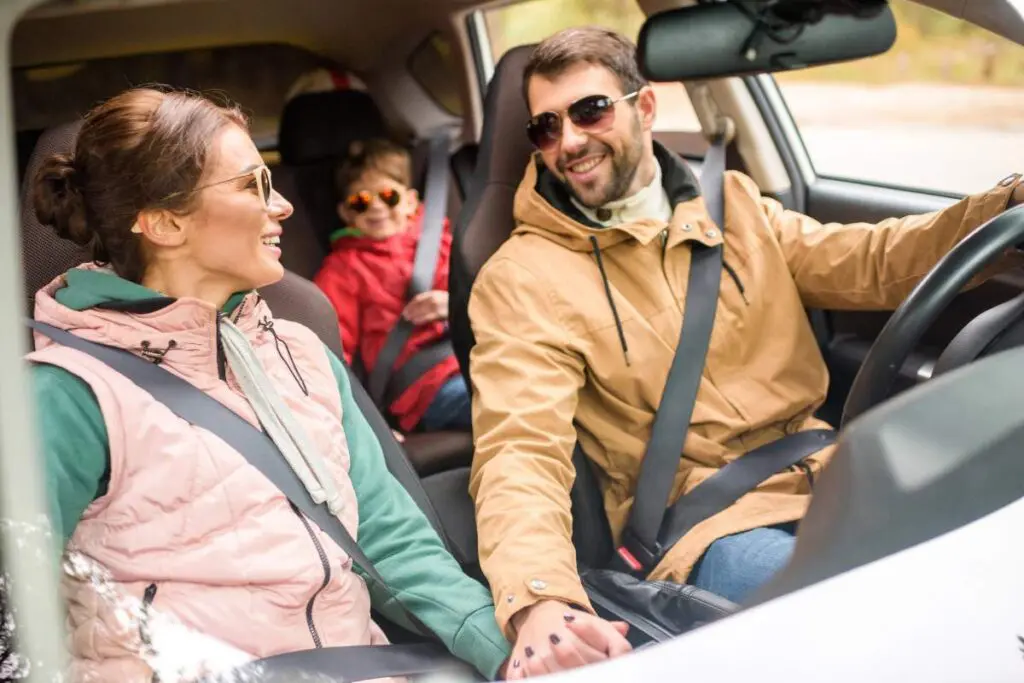
Try ditching the GPS and going for a drive. Pick a direction, take turns as they come, and let curiosity do the navigating. You can stop at any locations that you think are interesting on your journey: an ice cream store, a park, or whatever else. The point is to get a little lost, and then use the GPS to take you back home when you’re ready.
Choose Ease Over Overwhelm
Spontaneity works best when you’re not scrambling to make it happen or grasping for ideas. Keep that list of day trips and spontaneous activities updated so you can grab your bag and go when you get the time and the urge. Keep your bag packed, know your local gems, and fuel up before you start. Real spontaneous day trips are so much more satisfying and easy, and they can become habit when you’ve got the basics covered.