

Raising goats is an empowering move you can make if you’re craving a more grounded lifestyle and a steady supply of fresh milk. Goats are equal parts quirky companions and hard-working producers, capable of converting scrub brush into milk, meat, and fertilizer. This guide gives you the real deal on what it takes to raise goats: from choosing the right breed to building a solid shelter.
Choosing the Right Goat Breed
Before building fences or dreaming of fresh milk in your coffee, choosing the right breed is the single most important decision. Start by getting clear on why you want goats:
- Milk: Nigerian Dwarfs are small and friendly with a high butterfat content. Nubians are leaner, louder, heat-tolerant and produce very creamy milk. Alpines are hardy, efficient producers with a calm temperament.
- Meat: Boers are muscular, fast-growing, and widely used for meat production. Kikos are hardy, parasite-resistant, and thrive in rugged conditions.
- Fiber: Angoras produce long, silky mohair and require shearing twice a year. Cashmere isn’t a breed but a soft undercoat found on many goats, harvested seasonally for fine textiles.
- Brush clearing or pets: Pygmy goats and mixed breeds are ideal for casual land clearing and make friendly, low-maintenance companions.
Beyond purpose, there are a number of other factors that need to be accounted for. Temperament and handling vary widely from docile and easy to train to stubborn and skittish. Climate compatibility and space are other important factors. Finally, each breed comes with its own health profile. It’s important to do your homework on breed-specific vulnerabilities before committing.
Feeding and Nutrition
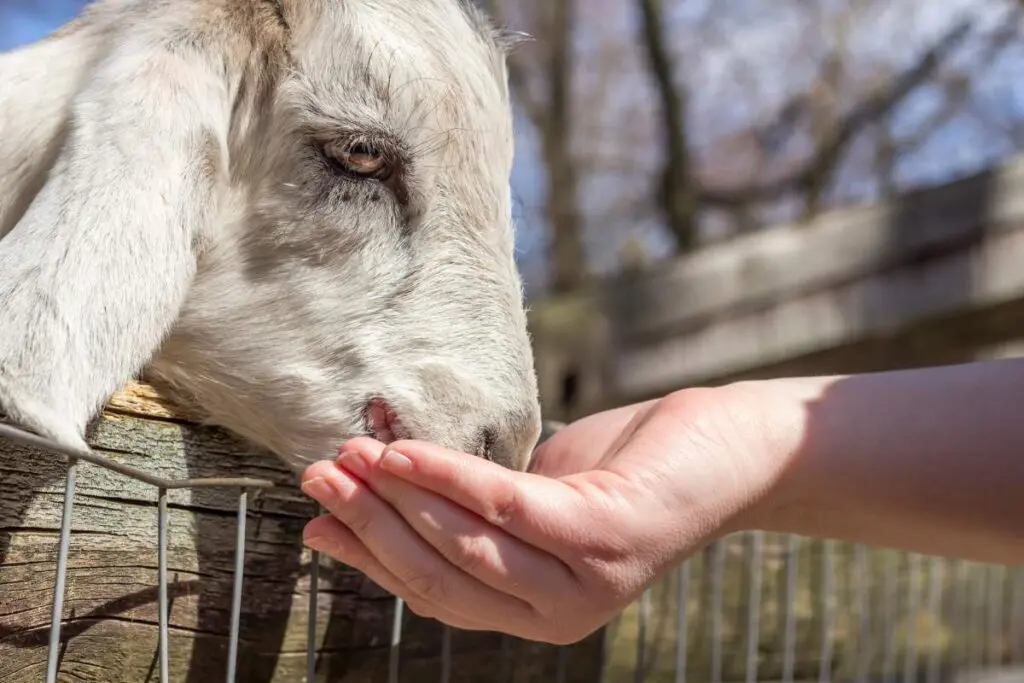
Feeding goats isn’t complicated, but don’t believe the media myths that they can get by eating tin cans and leftover pizza crusts. The bulk of a goat’s diet comes from high-quality roughage like grass hay, or legume hay mixed in with weeds, shrubs, and often they require grain when you run out of grass and roughage. They also need clean water refilled daily and, and sometimes it’s nice to have baking soda handy to help buffer their rumen and prevent bloating. Importantly, goats are often copper and selenium deficient due to soil quality or nutrient density in the feed, so they may need free-choice mineral supplements tailored for your region.
Because goats are such curious eaters, it’s important to keep them away from materials that could be toxic from them. Toxic plants like azaleas, rhubarb leaves, oleander, and yew need to be kept away from your herd. Spoiled or moldy feed can lead to serious health issues like listeriosis and despite popular rhetoric, you need to avoid salty, sugary, starchy, or processed kitchen scraps.
Most importantly, goats thrive on routine. Feed them at the same time every day, offering roughage first. Keep minerals dry and protected from the elements, and use a covered container mounted at head height. To keep up with this routine, having sharp focus and steady energy is key. CHOQ’s Chad Mode clean pre-workout is designed to support focus, drive, and stamina– no sugar, no crash, just clean intensity to fuel your routine.
Housing and Fencing
If you think a cute picket fence and a lean-to are enough to keep goats happy and contained, think again. You need to create a setup that’s secure, dry, and easy to keep clean. A three-sided shed often does the trick, especially in moderate climates, with the open side facing away from prevailing wind. Inside, lay down straw or wood shavings for bedding, but make sure to avoid newspaper, hay, or sawdust because they mat down quickly and can harbor bacteria.
Weak fencing is a rookie mistake because goats treat it like a jungle gym. A minimum of four-foot-high woven fencing using wood or heavy-duty metal T-posts set deep in the ground is usually enough to hold the line. For extra insurance, especially with jumpy breeds, add a top strand of electric wire but avoid barbed wire because it causes more injuries than it prevents.
Foundations of Goat Care
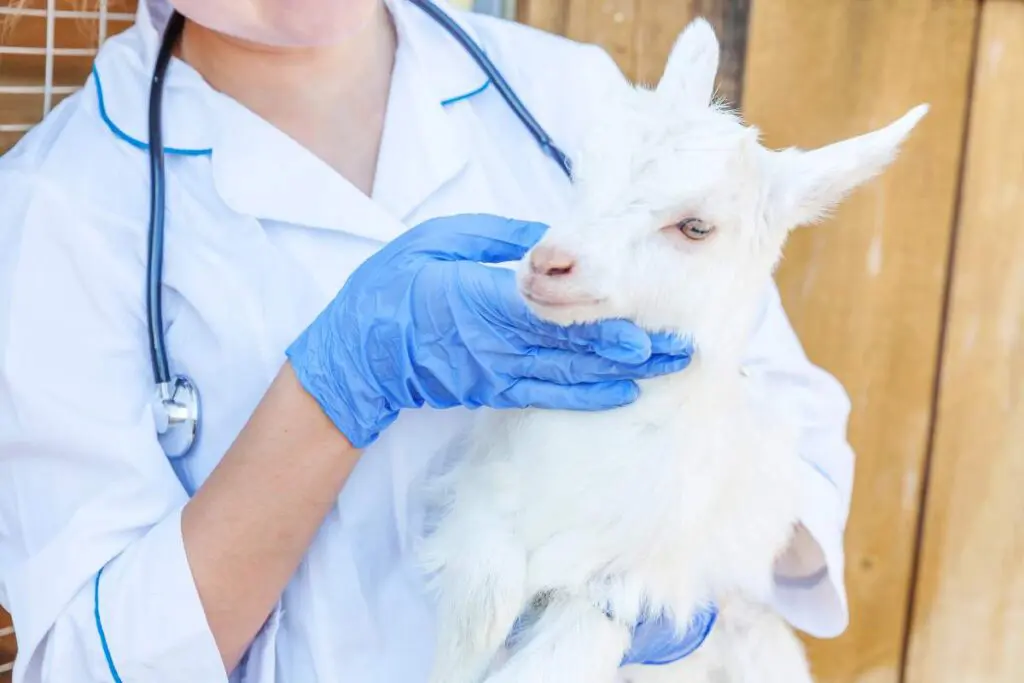
Once the infrastructure is in place, the real work begins: showing up every single day. Goats aren’t set-it-and-forget-it animals. They require daily attention, weekly upkeep, and periodic health maintenance. Your must-dos include the following:
- Check that feed and water are clean and accessible every morning and evening.
- Use feeding time as a built-in opportunity to assess your herd, looking for alert eyes, dry noses, smooth coats, and normal movement.
- Do a quick shelter clean-out once a week by replacing damp or soiled bedding and taking a few minutes to scrub water buckets and feeders to avoid algae build-up.
- Trim hooves every 4 to 6 weeks to prevent overgrowth and hoof rot.
- Deworm your goats regularly.
- Administer a CDT vaccine (protects against clostridium perfringens and tetanus) once a year, remembering to stay on top of boosters.
You’ll know you’re doing it right if your goats are active but calm, with bright eyes, upright ears, a shiny coat, and a steady chewing rhythm. They should eat eagerly, ruminate often, and interact normally with their herd mates. If one starts isolating, losing interest in food, or lying down more than usual, something’s off. Even more glaring red flags include diarrhea, bloating, labored breathing, or sudden lethargy. If you notice any of these signs, call a vet immediately.
Ready to Start Raising Goats?
With the right prep, a couple of hardy animals, and a solid daily rhythm, goats can fit into suburban backyards just as easily as remote homesteads. So if you’ve been hovering on the edge of the decision… reading forums, watching YouTube barn tours, or daydreaming while scrolling through goat memes… consider this your sign. Start small. Keep it practical. And trust that the payoff is real: milk in your fridge, fertilizer in your garden, and a deeper, calmer routine rooted in something that actually matters.