

You might be shocked to hear that hydration is not about “drink more water.” In reality, hydration is more nuanced than simply hitting your eight-glasses-a-day quota. More than just H2O, good hydration requires you to think about what helps your body actually absorb and hold onto the water.
True hydration is a strategy, not just the act of guzzling water. Here are some practical steps to truly nourish your body and absorb and retain the water your body needs so you can implement crucial daily hydration habits and get your body and mind functioning like they are meant to function.
Why Water Alone Doesn’t Cut It
Chugging water all day and still feeling tired, foggy, or thirsty? That sounds about right. The old “8 glasses a day” rule doesn’t do much for us if that water just ends up coming out the other end a few minutes later. You need to make sure that your body retains and distributes your water on a cellular level. This is where electrolytes come in:
- Sodium regulates fluid levels outside your cells. It works like a gatekeeper, helping water move into and out of cells when needed.
- Potassium manages the fluid inside your cells. Without enough of it, cells struggle to stay hydrated, even if you’re drinking plenty.
- Magnesium supports over 300 enzymatic functions, including water transport, muscle relaxation, and energy production. It also helps balance sodium and potassium levels so they work efficiently.
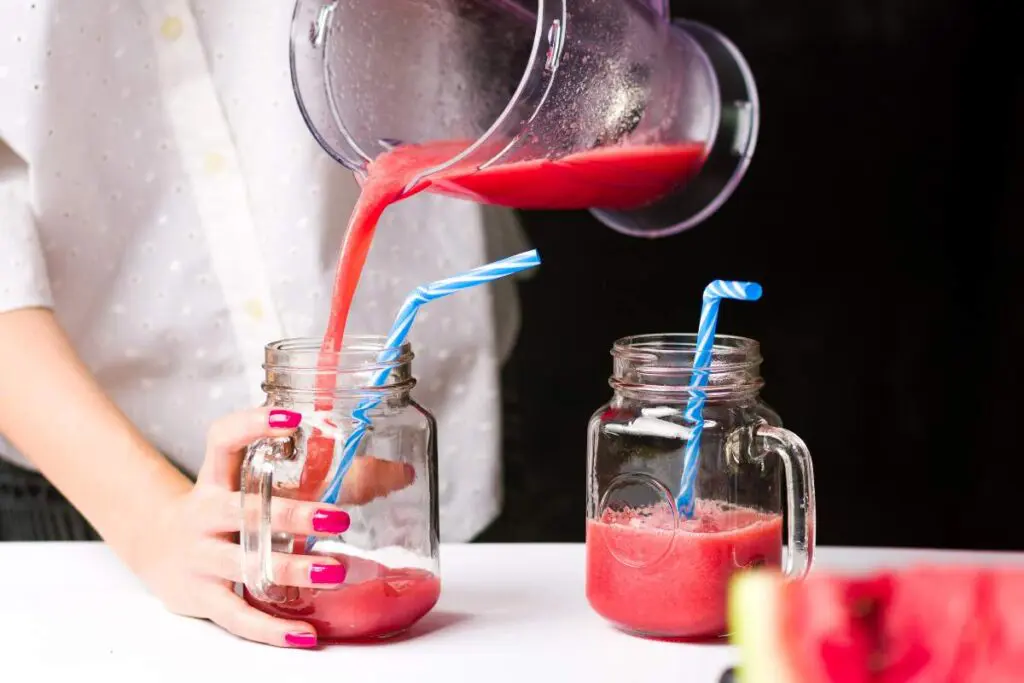
Drinking electrolyte rich liquids like coconut water and watermelon juice helps get that water into the cells and keep it there while offering glucose to turn into energy.Strategic supplementation of other minerals and cofactors can also boost hydration. A formula like CHOQ Minerals, which blends 72 plant-based trace minerals with fulvic acid for absorption, helps your body actually retain the water you drink. It supports fluid balance, cellular hydration, and electrolyte function—especially when diet, stress, or caffeine might increase the usage of electrolytes.
Eat Your Water
Food can do a lot of the heavy lifting when it comes to hydration… if you know how to use it. Don’t try to memorise a long list of hydrating goods – instead, try to integrate the right ingredients into the meals you’re already eating, starting in the morning.
Have a serving of hydrating fruit such as watermelon and pineapple. A simple smoothie made with watermelon, cucumber, lime, and sea salt provides natural electrolytes, supported by the salt’s absorption power. Fruits like grapefruit, orange, strawberry, kiwi, cantaloupe and banana work together to ease absorption and give your cells water to work with right out of the gate. Lastly, a tablespoon of chia seeds in your overnight oats or Greek yogurt slows digestion, helping the water stay in your system longer.
In the afternoon, a hydration-forward salad with the protein of your choice, cucumbers, citrus segments, olive oil, lemon dressing, and a pinch of salt does the trick. If you seek something more warming, you can try a miso soup with tofu and spinach. When the afternoon munchies hit, sip on bone broth with a few drops of liquid trace minerals or a splash of coconut aminos– this helps replenish the sodium and magnesium lost during the day.
In the evening, brew an herbal tea like hibiscus (natural electrolyte support), rooibos (antioxidants), or tulsi (adaptogenic stress support) with a teaspoon of honey and lemon to support liver function and mineral retention. For dinner, cook your quinoa, rice, or lentils in bone broth instead of water. Veggies like butternut squash, sauteed spinach, and kale provide essential nutrients for hydration support.
When you have the basics down, you can get creative. Freeze citrus or berries into ice cubes, make a hydration mocktail with coconut water, or even stir chia seeds into any drink. Hydration through food is as versatile as it is effective.
Make Hydration a Habit
The problem with most hydration advice is that it ignores real life. You already have your routines, so how could you add a whole other hydration cycle to your already-packed day?
- Start in the morning: Before reaching for coffee, drink a glass of warm water with a squeeze of lemon and a pinch of mineral salt. This simple routine delivers a fast electrolyte boost and helps your body actually use the water you drink later.
- Make hydration visible and easy: Keep a water bottle within arm’s reach– ideally one that encourages action, like a bottle with time markers or a textured grip you actually enjoy holding. Remember, out of sight means out of mind.
- Habit stack: Tie water intake to something you already do reliably– brushing your teeth, taking supplements, stretching, or breathwork.
By building hydration into the routine you already practice, you’re able to make small frictionless adjustments that don’t require willpower. Instead, you’re relying only on: placement, timing, and repetition. It really could not be easier.

Hidden Hydration Thieves
Let’s say you’re doing everything right and still ending up dehydrated. While frustrating, it’s a sign that certain habits and environments are quietly draining your system without warning. Recognising what depletes hydration is just as important as knowing how to replenish it:
- Coffee and alcohol act as diuretics, increasing how often your body loses fluids. Having a couple cups of coffee through the day or a glass of wine with a isn’t the problem. Rather, you need to be aware and vigilant, adapting your hydration strategy to account for these losses Opt for a blend like Choq’s Chad Mode, a natural caffeine formula designed to keep your body functioning at peak- the inclusion of Sodium Bicarbonate helps boost cellular energy production and improve endurance, both physical and mental.
- Poor sleep and consistently feeling stressed can influence hormones and cortisol, and influence your fluid regulation by increasing water loss through respiration and sweat.
- Workouts drain your hydration, especially in heat and humidity. Not just sweat, but exercise burns through sodium and magnesium. This is why fatigue, headaches, and cramps often show up after a long session. To recover, you need to restore fluid and mineral levels.
- Running your heating or air conditioning all day means that you are constantly exposed to low-humidity air that is drying you out fast. If you wake up with dry eyes, skin, or a sore throat, your environment is probably part of the problem.
So what helps? Prioritize hydration before and after workouts– not just during. Similarly, when travelling, if you are ill, or during periods of high stress, add trace minerals and adaptogens to your recovery routine. Use a humidifier overnight– particularly in dry environments– and most importantly, match your hydration strategy to your lifestyle.
Hydration is a Strategy, Not a Sip
It goes without saying: drink water! But remember that this alone won’t cure your dehydration. Smart hydration starts with structure, using food, minerals, and layering in small habits consistently to see results. Your water bottle helps, but it’s not the full picture. Get the strategies right, and hydration stops being a task and starts being a tool.