
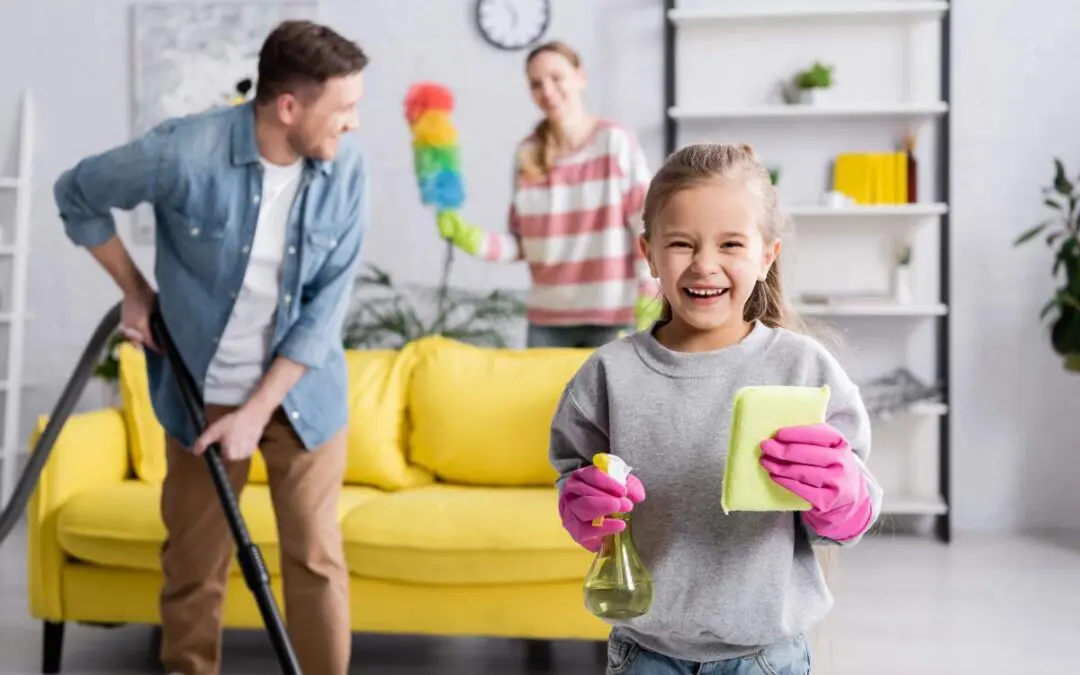
Getting kids to help with chores can feel like trying to negotiate with tiny, emotionally unpredictable union reps. One day, they’re wiping the counter with the enthusiasm of a home makeover host, and the next, they’re acting like picking up two socks is a violation of their human rights.
If you’ve ever felt like assigning chores meant getting into fights, bribing with screen time, or bribing with candy… hang tight. Below is a smarter playbook: strategies that work with your child’s brain and motivations, not against them.
Smart, Low-Drama Ways to Get Kids On Board
Here’s the good news: kids want responsibility more than we give them credit for. Cleveland Clinic research links chores (when age-appropriate) with improved responsibility, time-management, self-reliance, and long-term life skills that support academic, social, and independent living success.
And when you approach chores with structure, autonomy, and a little creativity, they stop feeling like a battle and become small, everyday moments of teamwork. Not Pinterest-level-glittery teamwork. The real-life kind.
Start With Micro-Chores That Feel Easy
Big, vague tasks like “clean your room” = instant shutdown. Instead, think of tiny tasks: hand mom or dad items when unloading the dishwasher, match socks, put tissues in the bin, wipe up spills. These small wins build kids’ confidence and sense of competence. Over time, micro-chore success builds into bigger responsibilities.
Give Them Real Choices (Autonomy = Cooperation)
Rules rarely win hearts. Choice often does. Offer two realistic options: “Would you like to feed the plants or help set the table?” or “Do you want to wipe the table or sweep the floor?”
With real choice, kids feel agency. They help because they choose to, which makes cooperation far smoother.
Use the Two-Minute Rule for Momentum
Some chores take longer than kids can muster. So flip the script: anything they can finish in two minutes, just do it now. Quick clean-ups, throw laundry in the hamper, wipe countertops.
That prevents small messes from growing into huge headaches, and makes contributing feel effortless instead of overwhelming.
Turn Routine into Ritual, But Make It Fun
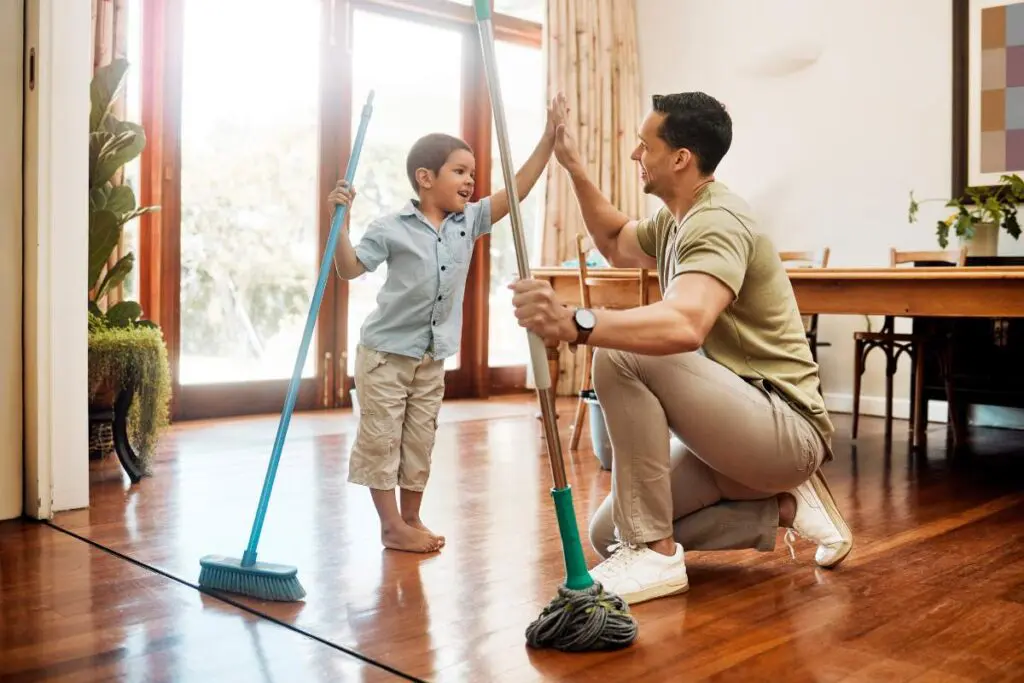
Kids respond to rhythm more than rules. Building weekend rituals together strengthens your bond as a family. The same goes here; add a family cleanup playlist, 5-minute “cleanup sprints,” or a cheerful timer countdown. When it feels like a shared game instead of a lecture, resentment melts into routine. And routines build habits.
Use Visual Systems, Not Verbal Nagging
Instead of repeating “Do your chores,” use chore charts, picture cards, or a “done bin” for completed tasks. Children respond better to visual cues and a sense of achievement than to reminders. Here’s where tasks become a win, not a chore.
Make It About Contribution, Not Rewards
Avoid the trap of making chores a bridge to phone time or candy. Instead, frame chores as what families do to stay afloat, responsibilities to be done out of necessity and love for the family. Kids who learn that helping out is part of belonging, not just for reward, build intrinsic motivation and a sense of shared responsibility. That mindset stays with them into adulthood, as many child psychologists have noted.
Use the “Show, Share, Shift” Method
Start by doing chores with them. Show how it’s done, then work side-by-side, then step back and let them take the lead as they grow more confident. This gradual shift helps them learn without feeling overwhelmed or judged. It builds competence and independence naturally.
Praise Effort, Not Perfection
Kids shut down when they think they’ll be judged. Instead of criticizing a messy job, highlight the attempt: “Great job hustling,” “Thanks for doing your part,” “You helped so much.” Focusing on effort and expressing appreciation builds confidence, not shame, which means kids are more likely to keep helping next time.
Tie Chores to Real Skills and Identity
Say: “You’re our recycling expert,” “You’re amazing at setting up snack time,” or “You’re the dishwasher loader pro.” When kids see chores as roles, not tasks, they become invested. They start building pride in practical, old-fashioned skills that shape confidence and character. It feels like purpose, not punishment.

Cluster Chores Into Manageable Batches
Instead of one massive chore list, create small clusters:
- Morning cluster: make bed, put away slippers, open curtains
- After-school cluster: unpack school bag, put lunch box away, wipe table
- Night cluster: dishes, tidy toys, prep school uniforms
Smaller, predictable sets build consistency and require less mental energy. Slowly but surely, you build a household rhythm that flows.
Give Them Ownership Over a “Domain” of the House
Tweens and teens cooperate best when they own something — not when they’re micromanaged. Assign them a specific “home domain”:
- The pantry they keep organized
- The pet they’re responsible for feeding and grooming
- The laundry zone they manage weekly
- The room or area they keep charged and tidy
This gives them real responsibility, not busywork, and taps into their growing desire for independence. It also mirrors real-world skills: managing a space, maintaining a system, and staying consistent.
Make Chores Shared Family Time, Not Solo Punishment
Instead of assigning tasks individually, do chores together as much as possible. Play music, chat while cleaning, and treat it as teamwork.
Make it fun! Shared chores build connection, communication, and teach empathy. You can even treat it as a screen-free family bonding moment. This echoes findings that chores done with support and guidance improve children’s problem-solving and social skills.
Celebrate Progress Lightly, Warmly, Consistently
Not with money or big prizes. With attention. A weekly “family high-five” moment. A fun treat when everyone’s pitched in. A simple “thank you” at dinner. That validation turns chores from drudgery into shared wins.
Raise Helpers, Not Houseguests
Involving kids in daily chores is about raising capable, confident humans who understand how to contribute to something bigger than themselves. When chores shift from “nagging and negotiating” to “rhythms and shared responsibility,” everything changes: the home feels lighter, kids feel more empowered, and parents finally get to breathe a little.
Start small. Stay consistent. Celebrate effort. And remember: you’re not just getting help around the house; you’re helping your kids grow stronger and more capable in a stress-free home environment where everyone works together.