
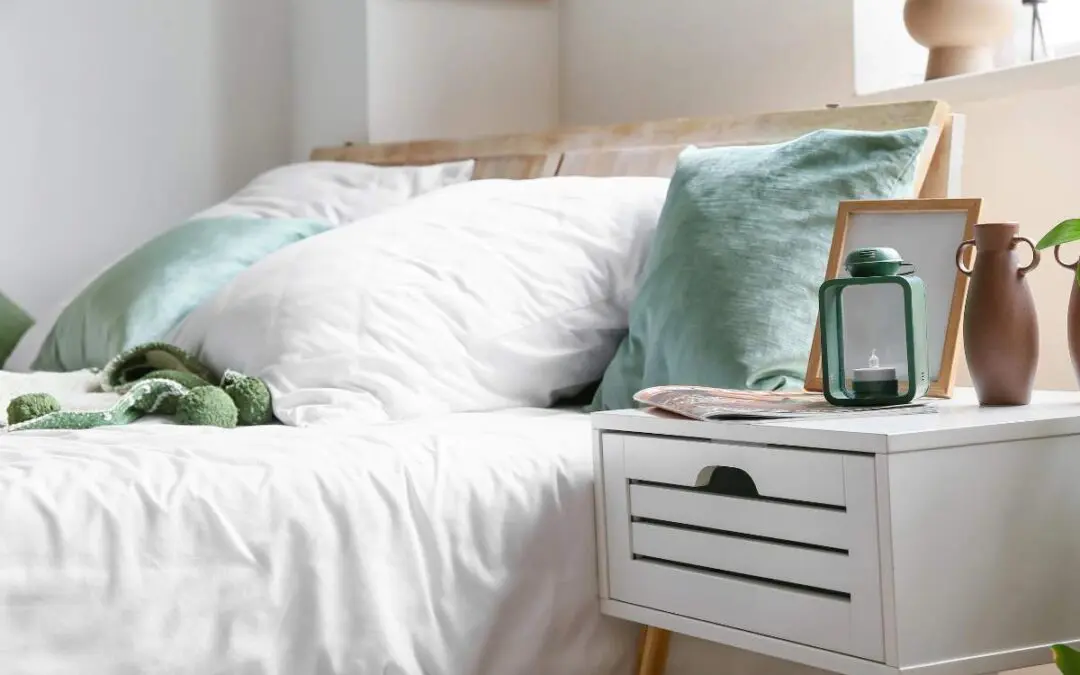
You can meditate, listen to “manifest good vibes” music, or buy every “sleep like a baby” candle on the internet, but if your bedroom still feels like a storage unit with a bed, no amount of wellness or wishful thinking is saving you. The truth? Relaxation isn’t something you do before bed; it’s something your space does to you.
Your bedroom should whisper, “you’re safe, exhale”, the second you walk in. But most bedrooms are shouting, “work from home, fold your laundry, or check your phone” instead. The lighting’s wrong, the layout’s chaotic, and the color palette feels more like a conference room than a cozy retreat.
So if you’ve been wondering why you’re restless even after an hour of scrolling “relaxing bedroom ideas,” here’s your reality check: true calm is a design strategy. Let’s talk about what’s really going on between your walls – and how to turn your bedroom into the most restorative room in your house.
What Makes a Bedroom Relaxing?
Before you pick a paint swatch or roll out a new rug, there are core factors your bedroom design must satisfy. A bedroom that feels restful is built on many invisible forces, not just furniture choices.
Here’s what the experts and emerging trends agree are non-negotiables for a bedroom that actually feels like rest:
Light and Shadow Dynamics
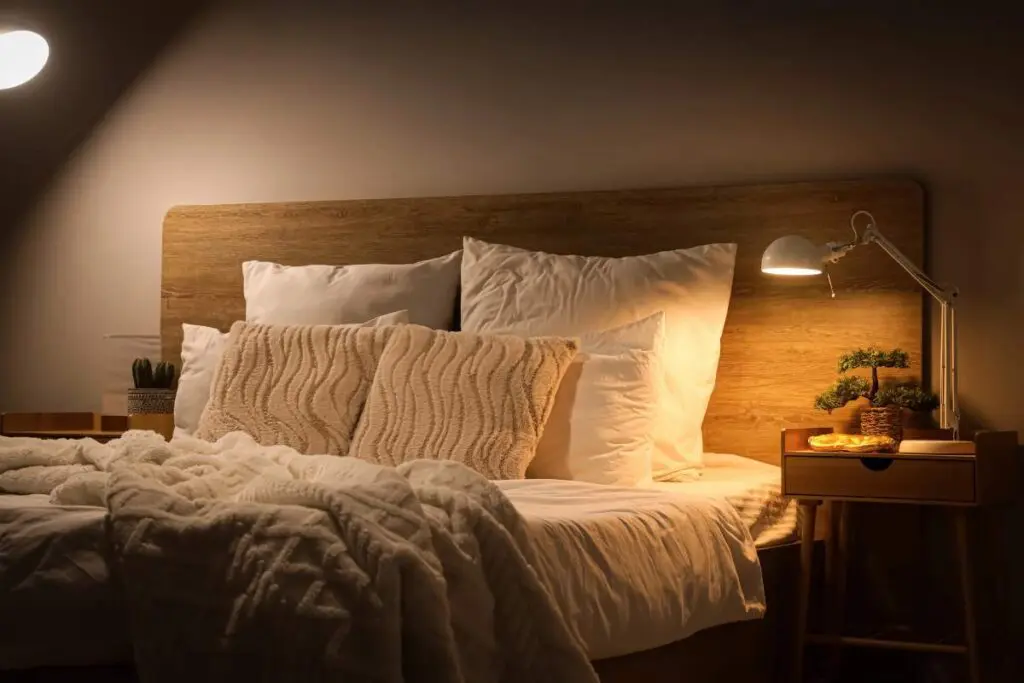
Bedroom lighting is more important than you think. Environments with well-balanced light and soft shadow offer visual comfort. Too much flat brightness triggers alertness, while pitch darkness removes cues of safety. Thoughtful layering of ambient, task, and accent lighting gives your brain control over when to dial down.
Warm, Earth-Centered Palettes
Colors also significantly affect the feel of your bedroom. Warm neutrals and earth tones have replaced stark whites and cold grays in 2025, according to Houzz, because they reduce visual tension and foster a sense of calm. Think soft sand, clay, or almond tones that wrap around you rather than bounce light harshly off every surface.
Textures and Patterns
Busy prints force the brain to process contrast and rhythm, which can raise cognitive load (translation: harder to relax). Instead of patterns, focus on textures. Things with textural layers like woven blankets, raw wood, and tactile fabrics add depth and dimension without visual overstimulation. It’s about creating an atmosphere you can feel, not one your eyes have to decode.
Biophilic Touches
Wood, stone, and plants aren’t just pretty, but they also signal grounding and safety. In a study published in ScienceDirect, participants in interior environments enhanced with biophilic elements such as plants, natural materials, and views of nature consistently showed lower stress markers than in non-biophilic settings.
Biophilic design works because our brains evolved in natural environments, so organic elements naturally promote relaxation. Even a framed landscape or terracotta planter helps reintroduce that sense of connection your body craves after a screen-heavy day.

Relaxing Bedroom Ideas That Actually Work
You now know what a relaxing, cozy bedroom needs. But how do you incorporate those light, texture, nature, and visual simplicity factors in simple ways that don’t feel like another to-do list? Below are real-world ideas to make your bedroom the ultimate space for relaxation.
- Amplify natural light gently: Instead of just big windows, use sheer curtains or bamboo blinds to diffuse daylight, letting in illumination without harsh glare. They keep things bright and inviting during the day, but dial back the intensity so your evening lighting cues work.
- Mix warm woods with soft lighting: Natural textures like wood, rattan, linen, and jute have become foundational to the cozy modern aesthetic. When paired with soft lighting and ambient light sources, they help tame harsh brightness and add grounding, organic weight to the space. Homes & Gardens’ “cozy modern” style notes this exact interplay.
- Go for statement texture walls: Instead of paint alone, textured walls like limewash, grasscloth wallpaper, or 3D panels add depth without color overload. These textures catch light and shadow in ways that flat paint doesn’t, creating subtle visual interest that feels calming rather than busy.
- Use curved lines and organic forms: Straight edges and sharp angles subtly prime your brain toward vigilance. Architectural research from Cornell University shows that curved or complex spatial transitions tend to increase arousal, whereas softer forms help calm it. Try a rounded headboard, an archway, or a softly curving rug line to break the rigidity.
- Include a micro water feature: Water features are rarely considered for bedrooms, but natural sound cues of water or rain are powerful relaxers in biophilic design. LuxDeco suggests small indoor fountains or ambient nature sounds as calming elements that can help you fall asleep fast.
- Integrate invisible tech: Instead of outright banning devices, integrate them more discreetly: think wireless charging trays with covers, night lights inside furniture, or blackout smart shades that vanish when not in use. This was included as one of Better Homes and Gardens’ 2025 bedroom trends, emphasizing “out-of-view technology” as a key to tranquility.
What a Truly Sleep-Friendly Bedroom Looks and Feels Like
The perfect bedroom is a space that balances light and shadow, where walls glow in warm, grounded hues and soft, textured fabrics invite you to exhale. Natural materials like wood, linen, stone, and a few thriving plants create a quiet visual rhythm, while clutter and harsh tech fade quietly into the background.
It’s the kind of space that helps your body detox naturally from the overstimulation of the day. By syncing with natural cues and energy flow, your room subtly resets your nervous system, leaving you calmer and more restored come morning.
Every element has a job: to remind your body that it’s safe, comfortable, and time to rest and recharge. In the end, the most relaxing bedrooms aren’t just designed for sleep, but also for peace, balance, and better energy that lasts long after you wake.