
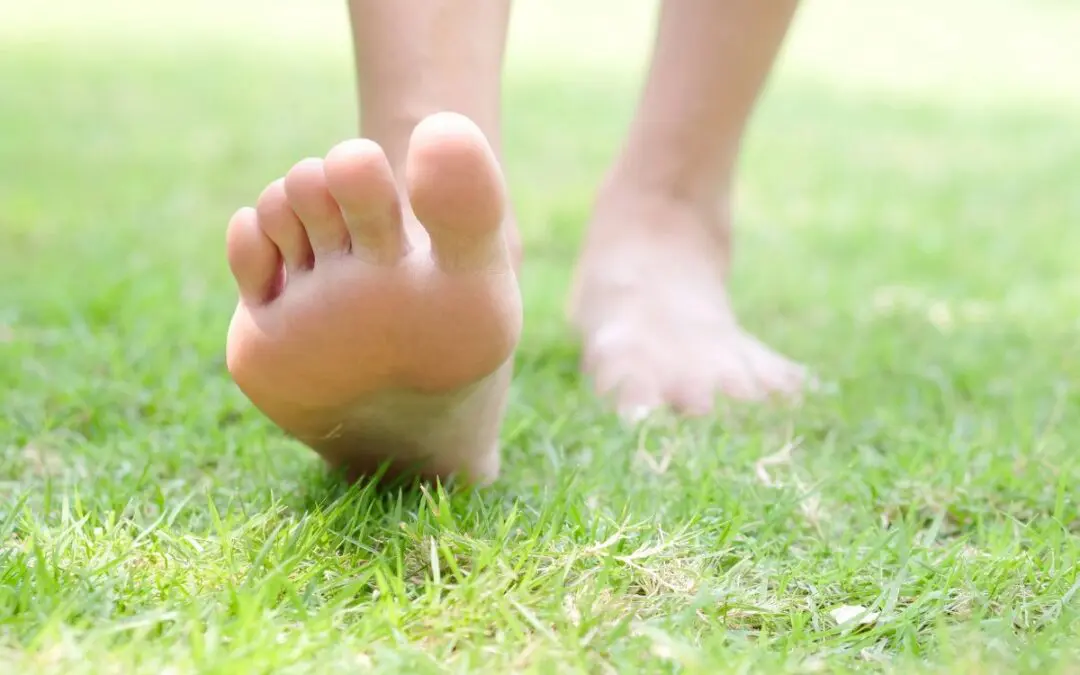
There’s a strange irony to modern life: we’re more connected than ever, yet somehow feel slightly… untethered. Between screens, schedules, and the subtle art of walking everywhere in rubber-soled shoes, we’ve created a lifestyle that rarely lets us physically connect with the ground beneath us.
That’s where earthing comes in. It’s not a complicated wellness ritual, but a simple, almost suspiciously easy way to reset. In this article, we’ll break down what earthing actually is, how to fit it into a busy life without trying too hard, and a few unexpected ways to use it as a tool for clarity, presence, and the kind of calm that doesn’t require a weekend getaway.
What is Earthing?
At its core, earthing is exactly what it sounds like – making direct contact with the earth’s surface. Think bare feet on grass, sand, or soil, or even sitting outside with your hands resting on a natural surface. It is believed that the earth carries a natural electric charge, and our body absorbs this energy when we connect to it, which is beneficial to health.
What makes it powerful is contrast. In a world of constant stimulation, earthing gives your body something simple and real to register: texture, temperature, stillness. That sensory shift alone can help you feel more present, more aware, and a little less like your brain has 37 tabs open at once.
Beyond the sensory shift, earthing, also called grounding, acts like a “reset button” for your biology. Research suggests that when you touch the ground, you’re actually absorbing free electrons that neutralize the electrical “noise” our bodies pick up from modern life.
This helps flip your nervous system from “fight-or-flight” into a rest-and-digest state, which can lower cortisol levels, sharpen your sleep, and physically promote healthy inflammation response. It’s essentially a way to discharge the stress your body stores, making it easier to close those mental tabs and actually relax. This isn’t about therapy, fixing anything, or unpacking emotions, but simply about reconnecting with your environment in a way that feels easy and natural.

Why We Feel Disconnected in the First Place
Modern life has quietly edited out most forms of physical grounding. We wake up indoors, move across smooth floors, commute in shoes, work at desks, and unwind… also indoors. Even our “breaks” tend to involve more screens instead of actual space, making it harder to practice even basic self-care in a way that feels real.
Over time, this creates a subtle disconnect. Not dramatic, but just enough to make everything feel slightly rushed, slightly noisy, slightly off. You’re not doing anything wrong; you’re just rarely in contact with anything that isn’t manufactured, filtered, or scheduled.
In a world where figuring out how to relax without social media has become its own challenge, earthing offers a refreshingly simple answer: step outside and reconnect with something real, unedited, and already available to you.
Simple, Doable Ways to Practice Earthing
You don’t need a full hour, perfect weather, or a scenic escape for earthing to work. The real shift happens when you treat it as a series of micro-habits; small, repeatable moments of contact that build over time, turning short pauses into meaningful resets. You can also pair earthing with other relaxing practices, much like learning how to sauna can become part of a broader wind-down routine.
- Step outside barefoot for 2–5 minutes: Grass, soil, or uneven ground gives your senses something real to register. This quick reset can help shift your focus and bring you out of autopilot.
- Sit on the ground instead of a chair: Whether it’s your backyard or a nearby park, lowering yourself physically changes your perspective. It’s a simple way to step out of “task mode” and into presence.
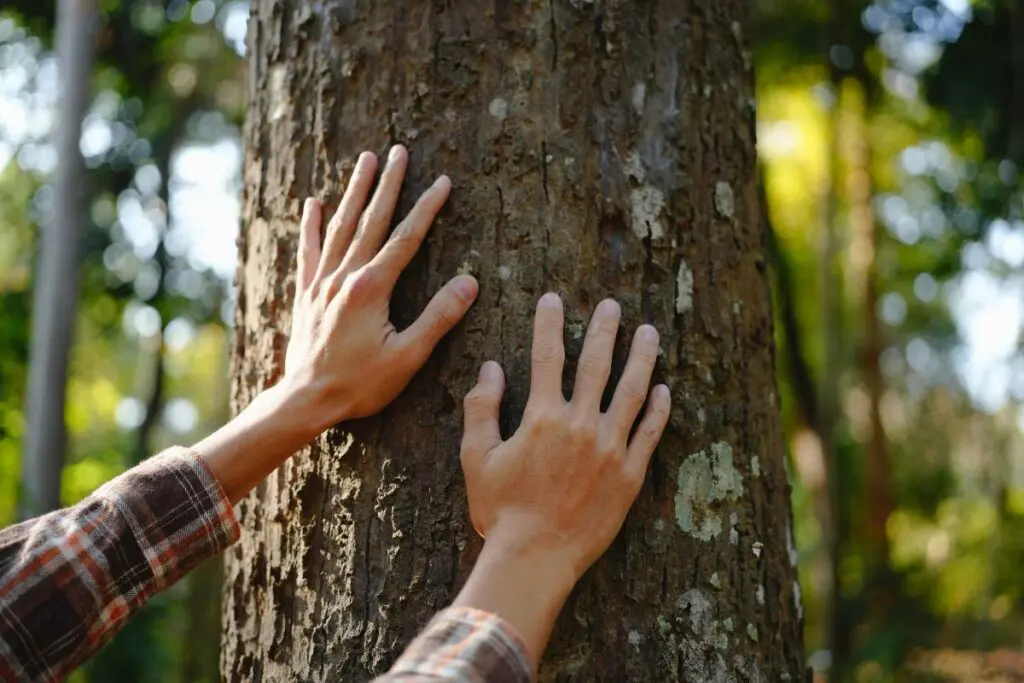
- Use your hands, not just your feet: Touch tree bark, run your fingers through soil, or rest your palms on stone. Engaging more senses deepens the experience and makes it feel less passive.
- Turn waiting time into “micro-earthing”: On a call? Step outside. Waiting for something? Stand barefoot for a minute or two. These small, consistent moments often have a bigger impact than occasional long sessions.
- Pair it with something you already do: Morning coffee, quick breaks, or even casual scrolling can happen outside. Stacking earthing onto existing habits removes the need for extra effort.
- Make it frictionless: Keep slip-on shoes by the door or choose easy access spots. If it feels convenient, you’ll do it more often without thinking twice.
- Let your environment lead: A patch of grass, a bit of sunlight, or even a quiet outdoor corner can become your go-to. Treat each moment as a small microadventure, just a simple, subtle shift away from routine and back into the real world.
When earthing becomes something you sprinkle into your day instead of scheduling like a task, it stops feeling like “one more thing to do” and starts becoming something you naturally return to.
Make Grounding Your New Normal
You can’t think your way into feeling grounded; you have to experience it. Earthing works best when it fits into your lifestyle, not when it competes with your daily routine. Pair it with what you already do, keep it short, and remove any friction. Two minutes counts. Standing still counts. What matters is doing it often enough that it becomes automatic, not optional.