
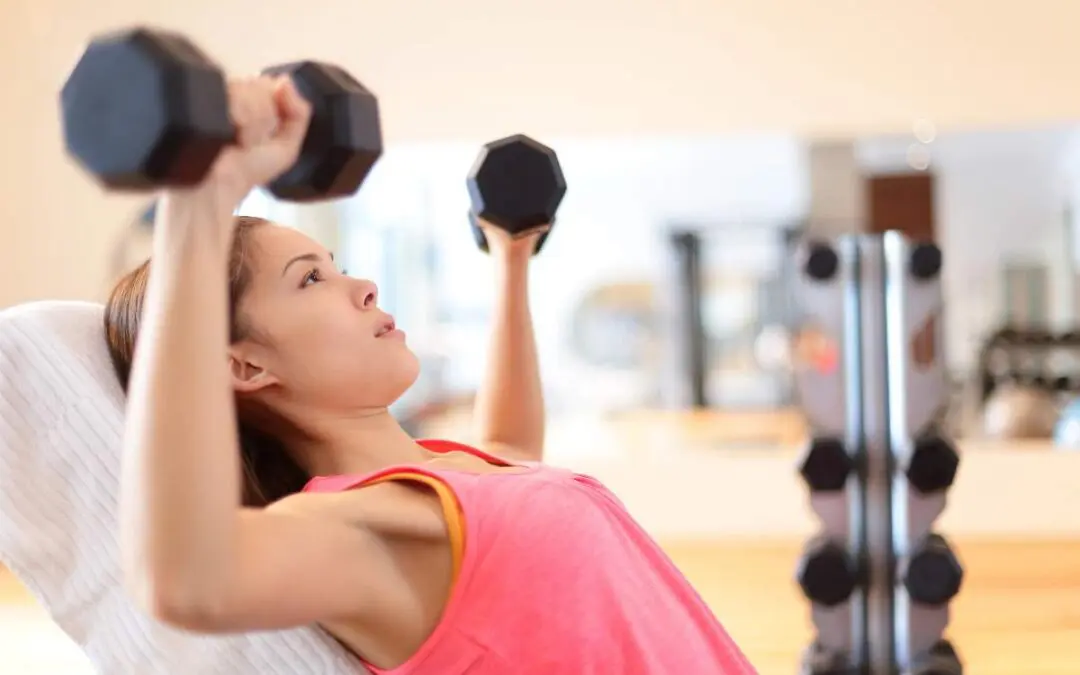
Strength training has a bit of a reputation problem. For a long time, it’s been framed as something intense, complicated, or reserved for people who already “know what they’re doing.” And for a lot of women, that has quietly turned into hesitation; not because they can’t do it, but because no one really explains what it actually looks like to start.
Let’s break down what resistance training really offers beyond the surface-level ideas, how to start in a simple and low-pressure way, and what it can look like at home or in the gym, even if you’re completely new to lifting.
The Real Benefits of Resistance Training for Women
What nobody tells women about strength training is that it’s not just about “getting fit” or learning a new workout style. It’s about how quickly your body starts to feel more capable in everyday life: carrying things, moving with more control, and just feeling more solid in your own frame. That growing sense of strength and capability can also become an important part of female vitality, helping you feel more energized and confident in how you move through the day. If you want to boost energy without caffeine, this is the way to go.
And here’s the part most people miss: you don’t need a perfect gym setup, complicated plan, or high-pressure routine to start. Strength training for women works best when it’s simple, flexible, and something you can actually stick to. According to The American College of Sports Medicine’s Strength Resistance Guidelines, the biggest benefits of strength training come from consistency, not complicated programs.
The real benefits show up in how your body feels and functions in everyday life, and how confidently you move through it.
Improves Quality Of Life
One of the first noticeable shifts with strength training is how “lighter” everyday life feels. According to Mayo Clinic, it helps improve quality of life and help you maintain independence as you age.
Tasks like cooking breakfast, picking up objects, or climbing stairs become less taxing because resistance training strengthens the major muscle groups involved in daily movement patterns. In simple terms: you don’t just get stronger, you get more capable.
Builds Long-Term Functional Strength
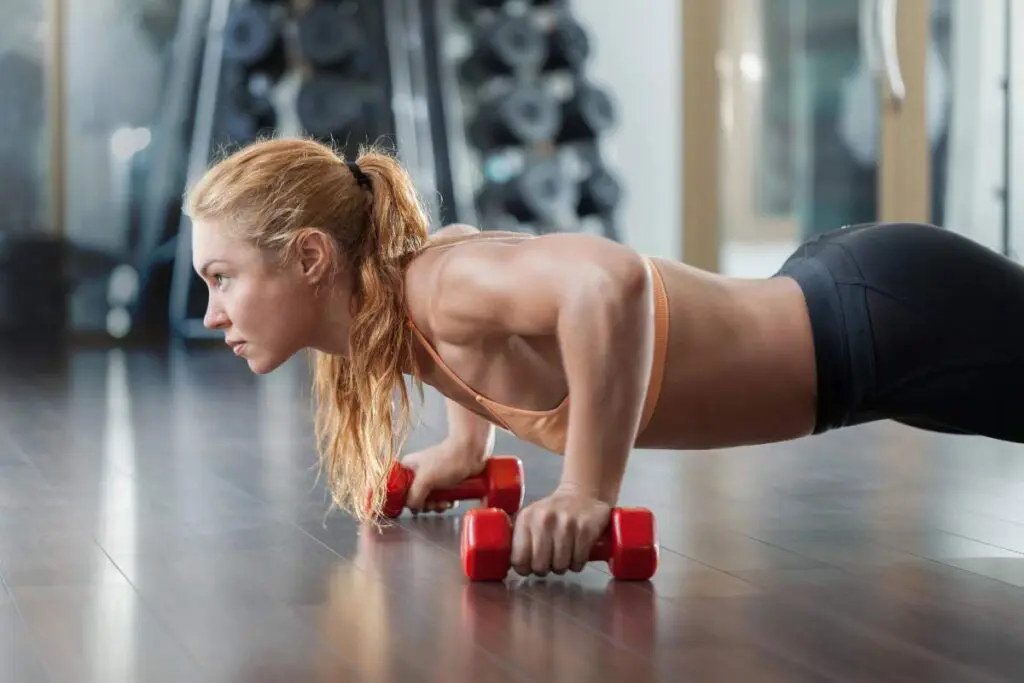
Strength training is one of the most effective ways to maintain and build muscle tissue over time, which plays a key role in physical function as you age. Experts note that resistance training helps preserve muscle mass, strength, and bone health, all of which are essential for maintaining mobility and independence long-term.
This isn’t about extremes. It’s about keeping your body useful and responsive as the years go on.
Supports Independence, Confidence, and Aging Well
There’s also a quieter, more personal benefit that develops over time: confidence through capability.
When you know your body can handle physical tasks, not just in workouts, but in real life, it changes how you approach challenges. You stop hesitating over things that used to feel uncertain. That sense of physical self-trust builds independence in a very practical way.
This becomes especially relevant for strength training for women over 40, where maintaining muscle strength and physical confidence plays a key role in staying active, capable, and steady through everyday life changes. Practices like cycle syncing can also encourage women to pay closer attention to their body’s changing needs and adjust movement, recovery, and daily routines accordingly.
The National Institute on Aging highlights that strength training supports mobility and independence in older adults by preserving muscle strength and physical function, which are key factors in maintaining quality of life over time.
Getting Started Without the Overwhelm
You don’t need a full gym plan to begin strength training for women. In fact, starting simple is often more effective because it removes pressure and makes consistency easier, while also supporting things like sustained energy, mood, and mental focus over time.
Practice natural pre-workout habits like hydration, especially with electrolytes, breathing, and light movement so you can get the most out of the session. Getting enough protein for women is also important for supporting muscle repair and recovery as your body adapts to regular exercise. Progress comes from consistency, not intensity. Simple full-body movements are enough to build strength, improve coordination, and help your body adapt gradually.
Home Strength Training Options
Frequency: 3 days per week
Equipment: Dumbbells (optional), chair/bench, bodyweight
Tips: Warm up 3–5 minutes. Move slowly. Rest 30–60 seconds. Focus on control.
Workout A: Lower Body + Core
- Squats (bodyweight or goblet): 3 sets of 8–12
Stand feet shoulder-width apart. Sit hips back like a chair, chest up. Push through heels to stand.
- Romanian Deadlifts (dumbbells or bodyweight hinge): 3 sets of 8–12
Hold weights in front. Hinge at hips with slight knee bend. Keep back flat. Stand by squeezing glutes.
- Dead Bug: 3 sets of 8 per side
Lie on your back, arms up, knees bent. Extend the opposite arm and leg slowly. Keep your lower back pressed down.
Workout B: Upper Body + Posture
- Incline Push-Up: 3 sets of 6–10
Hands on chair. Lower chest toward surface. Push back up with control.
- Bent-Over Row: 3 sets of 8–12
Hinge forward, weights hanging. Pull elbows back toward ribs. Squeeze shoulder blades.
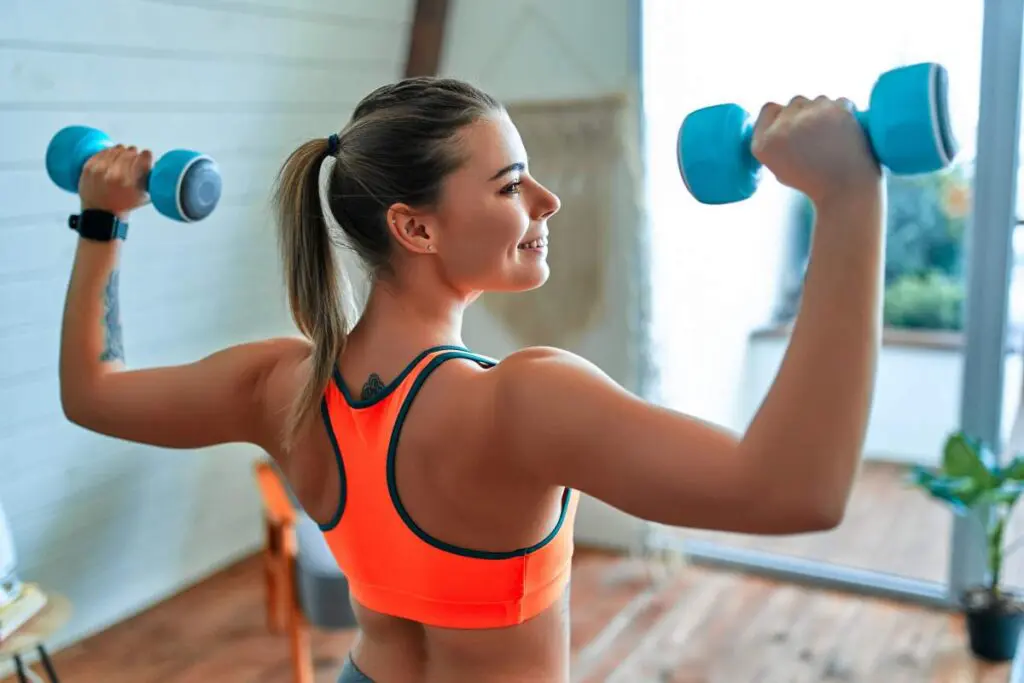
- Shoulder Press: 3 sets of 8–10
Start at shoulder level. Press weights overhead. Lower slowly.
Workout C: Full Body + Stability
- Reverse Lunge: 3 sets of 6–10 per leg
Step back. Lower until both knees bend. Push front foot to stand.
- Glute Bridge: 3 sets of 10–15
Lie down, feet flat. Lift hips up, squeeze glutes. Lower slowly.
- Plank: 3 rounds of 20–40 seconds
Elbows under shoulders. Keep your body straight. Don’t let your hips drop.
Gym Strength Training Options
Frequency: 3 days per week
Equipment: Machines or dumbbells
Tips: Start light. Controlled reps. Rest 30–60 seconds.
Workout A: Lower Body
- Leg Press: 3 sets of 8–12
Feet on platform. Push evenly through your feet. Don’t lock your knees.
- Hamstring Curl: 3 sets of 8–12
Curl pads down using heels. Move slow, control return.
- Calf Raise: 3 sets of 10–15
Rise onto toes. Pause. Lower slowly.
Workout B: Upper Body
- Lat Pulldown: 3 sets of 8–12
Pull bar to upper chest. Keep your chest up. Control the return.
- Chest Press: 3 sets of 8–12
Push handles forward. Don’t arch back. Return slowly.
- Shoulder Press: 3 sets of 8–10
Press upward. Keep the core tight. Lower with control.
Workout C: Full Body
- Goblet Squat: 3 sets of 8–12
Hold weight at chest. Squat down. Stand tall through heels.
- Seated Row: 3 sets of 8–12
Pull handle toward torso. Squeeze back. Don’t lean back.
- Plank: 3 rounds of 20–40 seconds
Rise onto toes. Pause. Lower slowly.
Strength That Fits Into Real Life
Strength training for women isn’t about doing everything perfectly or following a complicated plan. It’s about starting simple, staying consistent, and letting your body adapt over time.
Whether you’re training at home or in the gym, the goal stays the same: build strength you can actually use, in a way that fits your life. And once it becomes a habit, it stops feeling like something you have to do, and starts feeling like something that quietly supports everything else you do.