
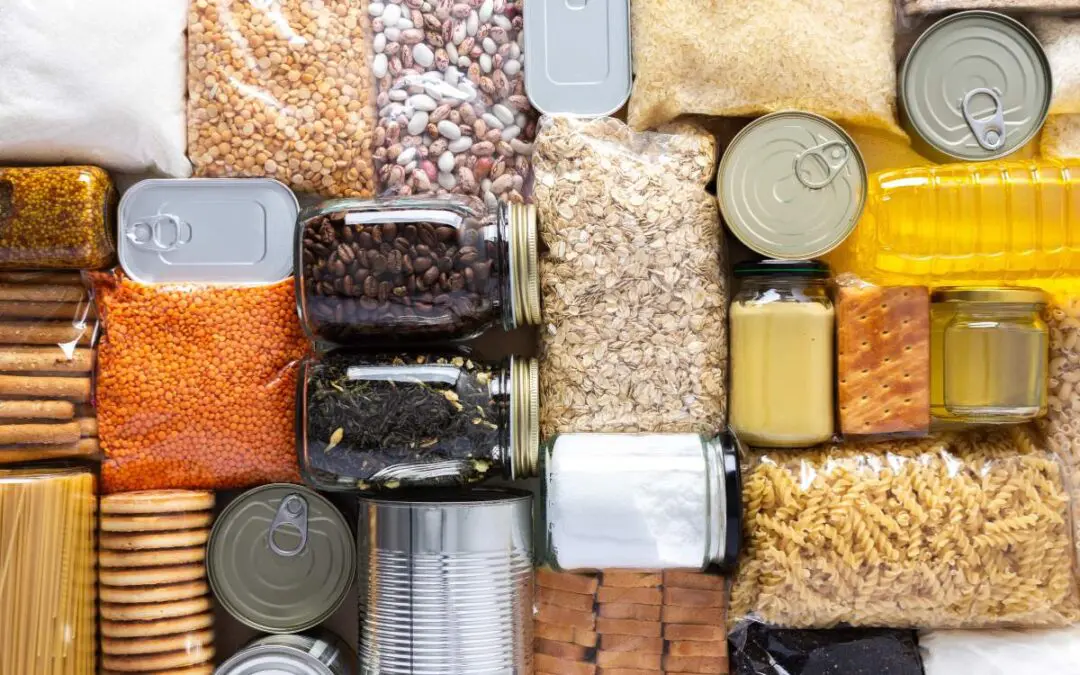
If the past few years have taught us anything, it’s that life can quickly and predictably become unpredictable. Earthquakes, wildfires, power outages, food shortages… With all this uncertainty, emergency food has gone from prepper niche to necessary staple.
Even more, emergency food isn’t just for stressful emergencies and blackouts. Sometimes, you just don’t have time or energy to shop. Maintaining emergency stocks of functional, nutrient-dense, and storable food is surprisingly simple. You can easily build up the routine of stocking and rotating through emergency, stored foods. It’s time to learn how to maintain a pantry for clarity, strength, and resilience… not just survival.
Why Most Emergency Food Fails You
Most commercial emergency food kits are cheap, mass-produced, and chock full of empty calories. Of course, calories matter in a survival context, but if those calories come from high fructose corn syrup, seed oils, and ultra-processed junk, how can you expect to thrive and maintain consistent energy in an already stressful situation? Processed emergency foods often strip out fiber, antioxidants, and micronutrients to extend shelf life. In their place, you get cheap fillers and synthetic additives your body doesn’t recognize.
Even in real emergencies and high-stakes everyday moments, your body needs nutrients that regulate stress hormones, support immune response, and maintain stable energy. High-performance preparedness means thinking beyond calories and choosing foods that help your body stay sharp and resilient when it counts most.
What to Look for in High-Performance Emergency Food
Your emergency stockpile shouldn’t be hidden in a bunker. It should be sitting on your shelf, integrated into daily life and rotated regularly. The biggest nutritional threat that you’re working against is light, air and moisture, which is why storage matters. Prioritise foods that are freeze-dried, dehydrated, or vacuum sealed and store it in dark, low-humidity environments.
Next, you should look for foods that you already like eating and know how to prepare, instead of the novelty rations with survival buzzwords on the packaging. In particular, think about what foods are shelf-stable staples that require minimal prep. Lastly, weight and volume matter, meaning foods that deliver caloric density and nutritional punch with a small footprint. Think nut butters and seeds or quality jerky and freeze-dried proteins.
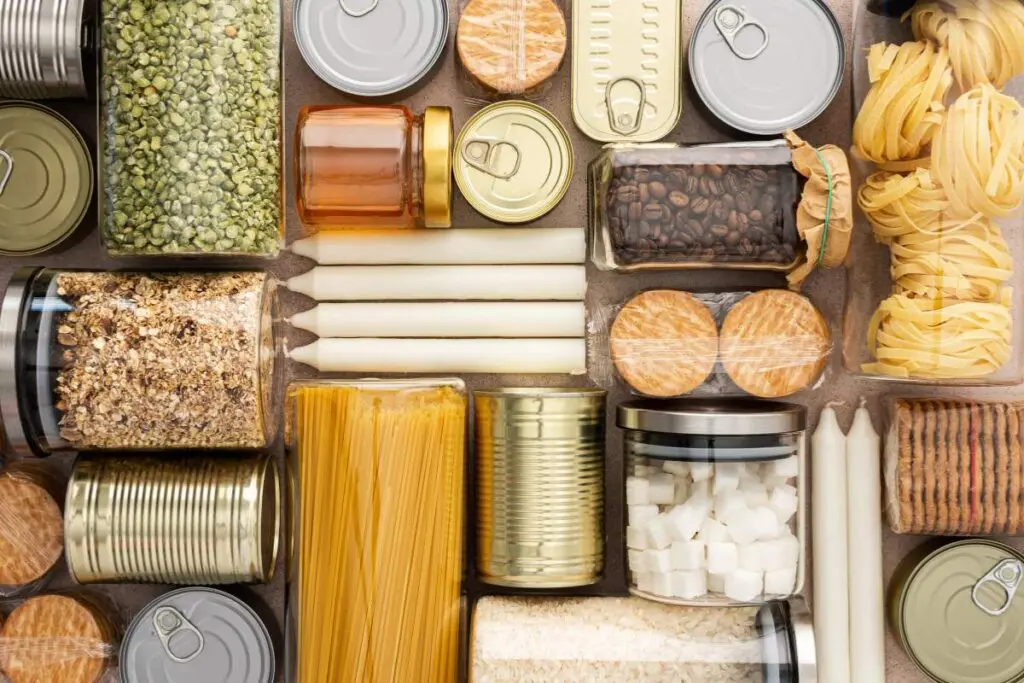
The Best Emergency Foods that Actually Deliver
Not all shelf-stable foods are created equal– some drag you down with preservatives and sugar crashes, while others quietly power your body with nutrients and energy. The options below are high-functioning, high-performance foods that check all the boxes: long shelf life, nutritional value, and real-life usability. Each one earns its place not just for survival, but for stamina, focus, and daily adaptability.
Shelf-Stable Proteins
Protein is the most important macronutrient and the most crucial storable food for emergency situations, as it is the most satiating macronutrient. Canned and dried proteins to build into your stores include:
- Wild-caught mackerel, tuna, salmon, and sardines are shelf-stable, high in omega-3s, and packed with bioavailable protein. Choose cans or pouches with minimal ingredients and no industrial oils.
- High-quality jerky made from grass-fed beef, bison, or even mushrooms delivers portable protein without the junk.
- Pemmican is a nutrient-dense, storable, shelf-stable food made from dried beef and rendered fat, sometimes containing dried fruit and spices to add flavor and nutrients. It can store for years and is a traditional survival food in Native American communities.
- Freeze-dried chicken, turkey, or lentil-based meat alternatives retain nutrients and rehydrate well, which is ideal for longer-term storage.
Grains and Legumes
Rolled oats, quinoa, lentils, and chickpeas offer a balance of complex carbs, fiber, and plant protein:
- Rolled oats store well for over a year in airtight containers and can be pre-soaked to reduce cooking time.
- Quinoa cooks fast and contains all nine essential amino acids.
- Lentils and chickpeas are budget-friendly, shelf-stable for years when dry, and easy to sprout for added nutrition.
Fruits
Dried fruits are a functional snack that are naturally rich in vitamins, minerals, fiber and phytonutrients that support energy, digestion, and mood:
- Dates, figs, and mangoes offer potassium, iron, and quick-release carbs for sustained energy.
- Berries (especially blueberries and goji) are high in antioxidants and travel well when dried.
- Look for unsulfured, unsweetened varieties stored in mylar bags or glass jars to extend shelf life.
Nut Butters and Seeds
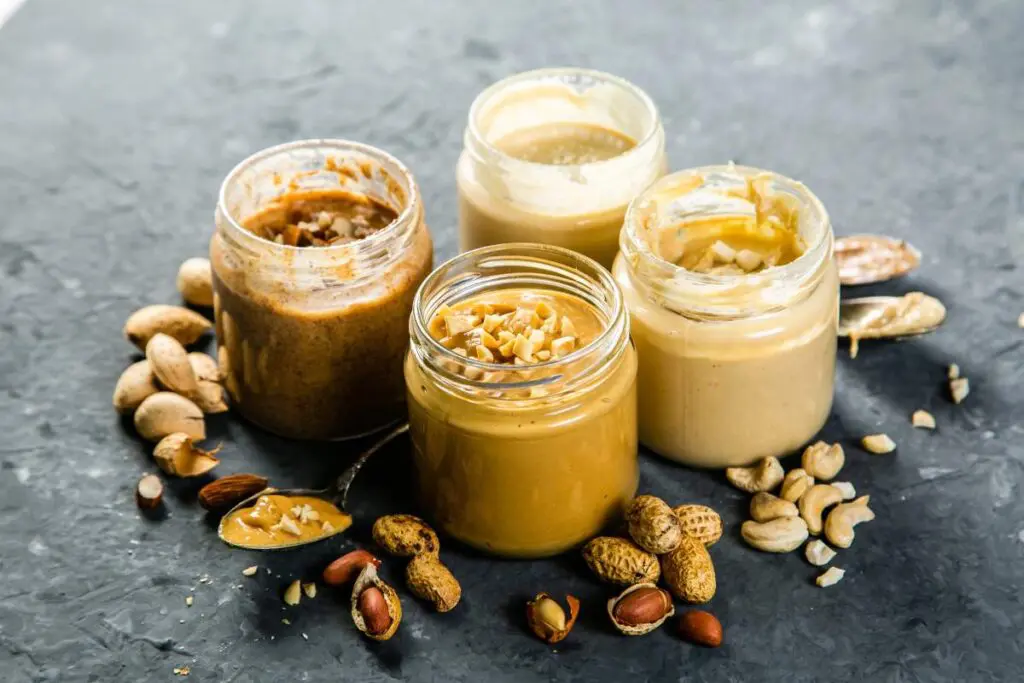
Nut butters and seeds are high-ROI staples that support satiety, brain function, and endurance without the need for refrigeration and prep:
- Peanut, almond, and sunflower seed butters are calorie-dense, rich in healthy fats, and comforting under stress. Choose versions with no added sugar or hydrogenated oils.
- Chia and flax seeds pack omega-3s, fiber, and protein in a tiny footprint. They also support digestion and hydration.
Superfood Snacks
Shelf-stable superfoods can do the heavy lifting for immune support, inflammation control, and mental clarity– all of which become particularly essential when your routine is disrupted:
- Chocolate. Cacao is often overlooked as an energy source, but it is rich in theobromine and a great natural energy booster. Keep a few high-quality chocolate bars or some Choq Lit Powder in your rotation.
- Seaweed snacks provide iodine, magnesium, and trace minerals.
- Spirulina or chlorella powders can be added to water, smoothies, or oatmeal for protein and detox support.
- Fermented pastes like miso are high in probiotics and can form the base of a fast, gut-friendly broth.
Hydration
In the pursuit of healthy food choices, we too often forget about the importance of hydration. When you’re sweating through heat, stress, or movement, replenishing minerals is essential for cognition and muscle function:
- Coconut water powder, salt tabs, and mineral blends provide potassium, sodium, magnesium, and calcium in compact forms.
- Avoid sugar-laden sports drinks; instead, opt for mixes with clean ingredients and targeted ratios.
- Electrolyte powders store well, weigh little, and work fast, making them ideal for bug-out bags and travel kits.
Energy
- Coffee is a powerful appetite suppressant and energy booster. In an emergency situation, you won’t want to go without your daily cup. Keep a few bags around to cycle through, just in case.
- A natural caffeine formula is a healthy staple for the emergency pantry that provides an easy energy boost any time without the need to brew it.
Supplement Upgrades
No matter how dialed in your food kit is, some nutrients are hard to preserve or pack efficiently. This is where targeted supplements can be helpful in a pinch:
- A high-quality multivitamin can cover nutritional blind spots during disruption or travel.
- Adaptogens like ashwagandha or rhodiola help regulate cortisol and maintain mental clarity under prolonged stress.
- Magnesium supports sleep and muscle recovery. Zinc and vitamin C are critical for immune defense.
Preparedness You Can Actually Live With
Emergency food gives you freedom. When the grid flickers, the road floors, or you’re simply too wiped to shop, a shelf stocked with smart choices keeps you steady. So skip the pantry panic and build something better. Your future self… the one who’s calm, clear, and ready for anything will thank you.
Disclaimer: These statements have not been evaluated by the Food and Drug Administration. The contents of this article, made available via Choq, are for informational purposes only and do not constitute medical advice. The content presented here is not intended to be a substitute for professional medical advice, diagnosis or treatment. Always seek the advice of a qualified healthcare provider with any questions you may have regarding a medical condition or dietary changes. Reliance on any information provided by this article is solely at your own risk.