

Here’s an unpopular opinion: cooking isn’t what eats up your time; it’s thinking about what you’re going to cook. Decision fatigue is real, and every “what should I make?” moment chips away at your focus until stress creeps in. That’s where meal planning comes in, not as a rigid routine, but as a way to outsmart a common problem.
In this guide, we’re breaking down meal planning for real life with no spreadsheets, no marathon Sundays, and definitely no guilt. You’ll learn how to build flexible plans that adjust to your week, streamline prep without killing spontaneity, and make your kitchen work for you instead of against you.
Why a Good Meal Plan Actually Makes a Difference
When a plan sticks, you’ll feel it, not just see it. These are the real-world benefits that research keeps pointing out.
- Better food quality, fewer health risks: People who plan meals ahead tend to eat more fruits, vegetables, and whole foods, and have lower odds of obesity, according to a PMC study. That means the time you spend planning isn’t window dressing but a front-line move for your long-term health.
- Time (and headspace) back in your life: Meal planning lowers the number of last-minute decisions, the fridge-staring panic, the emergency takeout run. When you spend less time worrying about “what’s for dinner,” you get more of your brain back for everything else.
- Cost savings + less waste: When meals are pre-mapped, your shopping list is smarter and your fridge is less chaotic. A Harvard study shows fewer impulse buys, less spoilage, and more value per dollar. That’s a win not just for your plate, but also for your wallet and the planet.
- Cravings meet structure (not sacrifice): Planning doesn’t mean boring. When done right, it includes space for real cravings like the “pizza I’m actually going to enjoy” night, not the regret-fuelled one. Flexible planning sustains effort far better than rigid rules. In short, you get to be human and stay consistent.
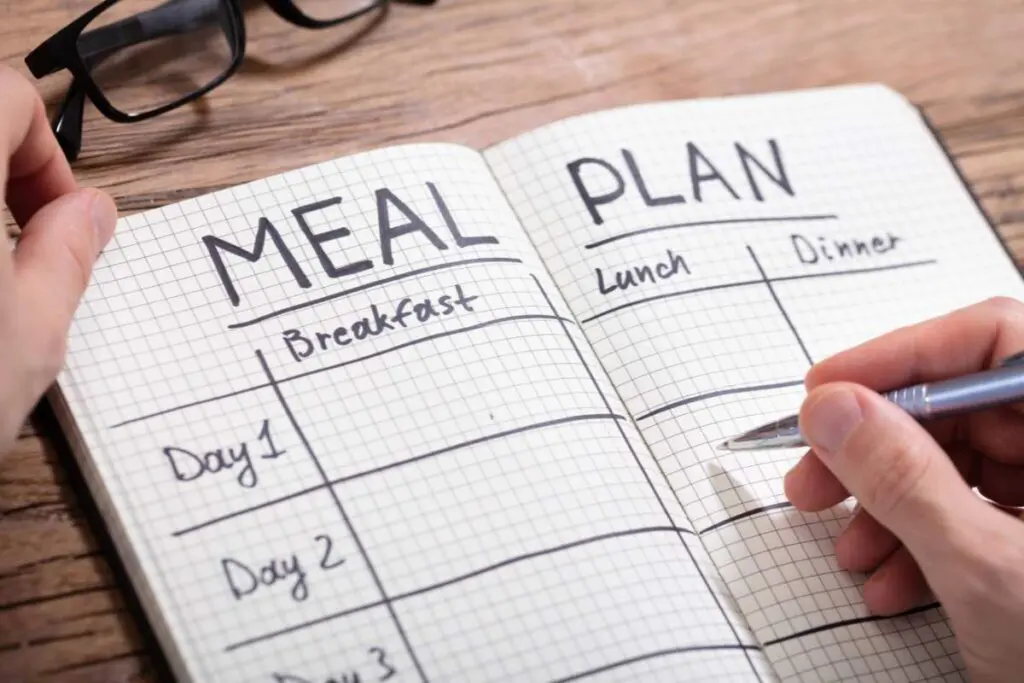
Smart Meal Planning For Beginners
Try one or two of these this week, not all ten. The point is to add intelligent shortcuts that save decision energy while keeping flavor and satisfaction high. A weekly meal plan that lasts is less about willpower and more about building smart rituals that support who you already are.
Preset Three “Assembly Formulas” You Can Riff On
Pick three simple templates like Grain + Protein + Veg, Bowl + Sauce + Crunch, and One-Pan + Carb. For each formula, store one go-to protein, one go-to grain, and two vegetable options you like. When it is time to cook, you are not inventing a recipe; you are assembling a proven combo that makes dinner faster, less stressful, and still varied.
Turn Leftovers Into A One-Minute Remix Plan
Instead of “leftovers night,” name three remix moves: fold into an omelet, toss with fresh greens and a bright dressing, or blitz into a quick soup with stock and herbs. Write those three moves down and stick the note on your fridge. When the “what do I do with Tuesday’s roast” panic hits, pick one, and you are done.
Create A Weekly “Flavor Kit”
Pack a small jar with a finishing sauce or spice blend you love. Think chimichurri, a quick tahini lemon, or chili oil plus lime. Use it to transform bland into exciting in five seconds flat. A tiny flavor kit makes repeat meals feel new without adding prep time.
Batch By Component, Not By Meal
Instead of spending Sunday making seven identical containers, prep building blocks. Roast veggies, cook grains, boil eggs, and make one sauce. Combine differently throughout the week so it feels fresh, not factory-issued.
Adopt The “15-Minute Rescue” Mindset
Build three meals you can finish in 15 minutes from frozen or pantry staples: eggs + greens + toast, noodle stir-fry with a pre-made sauce, or canned beans warmed with aromatics. Practice one of these so it becomes muscle memory. When the week explodes, you have a credible dinner in a quarter hour.

Map Your Grocery Run By Frequency, Not Aisle
Create two lists: Weekly Buys and Refill Buys. Weekly Buys are perishable ingredients for this week’s meals. Refill Buys are staples you grab once a month. This reduces overflow and keeps trips focused, cheaper, and faster.
Plan A True “No-Cook” Night
This is not a punishment. Make it intentionally pleasant: a curated cheese plate, pre-roasted chicken, or hearty sandwiches with pickles and good bread. Plan it like a mini event so it replaces takeout, not invites it.
Treat Appliances Like Teammates
Learn one function on two devices you own. Pressure cooker for braises, air fryer for quick cooking and reheating. When you use them strategically, they cut active time and improve texture, so meals feel thoughtful, not rushed.
Keep A Tiny Visible Running Menu
A small whiteboard with three dinner options per night reduces mental clutter and helps the whole household stay synced. Seeing your week mapped out is a relief in itself.
Common Meal Planning Mistakes to Avoid
Even the best intentions can go sideways. Here’s where most beginners trip up and how to steer clear.
- Over-planning your week: You don’t need a seven-day culinary schedule; you need a rhythm. Leave room for spontaneity and leftovers.
- Ignoring your actual schedule: Planning elaborate meals on your busiest days is sabotage in disguise. Match meal effort to your energy.
- Forgetting flavor variety: Eating healthy doesn’t mean eating bland. Rotate sauces, textures, and toppings to keep your brain interested.
Batch-cooking everything: You’ll burn out fast. Prep partial components so you can mix and match instead of eating the same thing all week. - Skipping snacks: A plan that ignores snacks is a plan that fails by 3 p.m. Add fruit, nuts, or hummus to your weekly prep to stay sane.
- Not revisiting what worked: Every week, note what you loved (and what you didn’t). That’s how your plan evolves from “good” to “automatic.”
- Trying to be perfect: Real life happens. Your goal is consistency, not control. If your plan survives 80% of the week, it’s a win.
The Real Win: A Meal Plan That Gives You Your Evenings Back
If there’s one thing to take away, it’s this – meal planning isn’t about eating perfectly. It’s about reclaiming your time, energy, and focus so food becomes something you enjoy again, not something that nags at you all day.
When you:
- design your week around real energy levels (not imaginary productivity),
- prep components instead of full meals,
- rotate a few reliable “rescue” dishes, and
- leave space for leftovers and cravings —
You’re no longer forcing discipline. You’re building rhythm.
A solid meal plan flexes when your calendar changes, it forgives when you order takeout, and it quietly resets you when you come back to the kitchen. It’s the balance between effort and ease.