
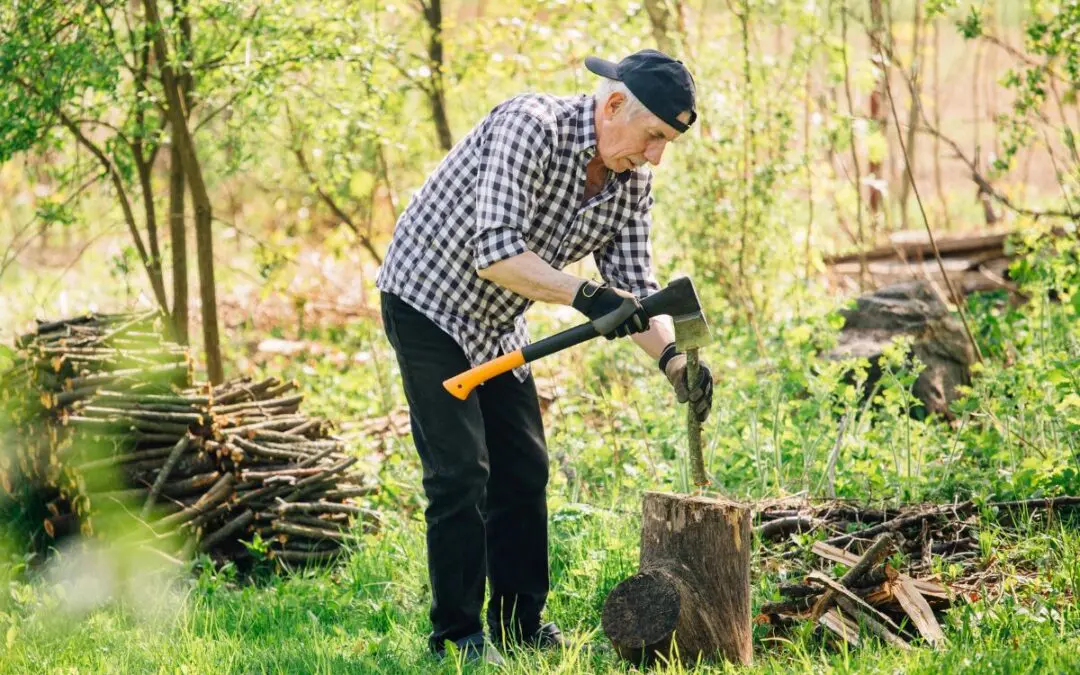
Your grandfather probably didn’t think of his daily routine as a wellness plan. He walked because he had somewhere to go, worked with his hands because things needed fixing, ate meals instead of grazing all day, and spent much of his free time outside or with other people. These traditional masculine habits weren’t necessarily the result of exceptional discipline. They were built into the environment.
Modern life has removed many of those built-in opportunities. Cars replace walking, screens fill quiet moments, desk jobs keep us seated, and convenience makes constant snacking almost effortless. The lesson isn’t that the past was better or that men today are doing something wrong. It’s that some ordinary behaviors from previous generations may be worth deliberately choosing again.
Bring Back the Habits, Not the Era
Many of the habits associated with older generations weren’t really “health habits.” They were simply part of the day. However, you don’t need your grandfather’s job, house, diet, or schedule. The useful lesson is to bring back the behaviors and old-fashioned skills that modern life has made easier to skip.
Moving Was Natural
Back then, work often involved more standing, walking, lifting, carrying, and manual tasks. Even outside of work, mowing the lawn, gardening, fixing something around the house, or walking to run an errand added physical activity without requiring a trip to the gym.
Today’s work environment can look very different. The U.S. Bureau of Labor Statistics reported that sedentary work is now a substantial part of the labor landscape, with workers spending an average of 44.9% of the workday sitting last year. In computer and mathematical occupations, the figure was 91.1%.
Today, a man can spend eight hours sitting, drive home, sit again, and then try to compensate with 45 minutes at the gym. The better lesson isn’t that every grandfather was fitter. It’s that movement used to be built into ordinary life.
Having healthy work habits, including 5-minute break habits, offers a practical way to break up long periods of sitting. For more structured movement, practice simple at-home workouts to turn otherwise inactive parts of the day into opportunities to move.

Real Food Was the Default
Your grandfather didn’t necessarily follow a “clean eating plan.” He had a real breakfast. A sit-down lunch. Dinner. Then the kitchen closed. Meals more often revolved around recognizable foods: eggs, meat, potatoes, vegetables, fruit, dairy, beans, grains, and whatever was available locally. Snacks existed, but constant access to individually packaged food was not the norm.
Modern convenience makes grazing almost effortless. A packaged snack in the car, something from the office kitchen, a delivery between meetings, and another bite while watching television can turn eating into a background activity.
The practical takeaway is simple: build meals around actual food and make them substantial enough that you’re not constantly negotiating with hunger.
Sunlight Was Part of the Day
Getting outside wasn’t something to schedule into a wellness routine. Yardwork, walking to the corner store, chopping wood, sitting on the porch, or simply being outdoors filled the day with more natural opportunities to leave the house.
Modern life puts more activities behind a desk, windshield, or screen, so it matters to consciously take a walk outside, work in the yard, or spend part of your lunch break outdoors. The goal is to make being outside ordinary again.
Sleep Had a Natural Boundary
Back then, no endless feed or streaming service kept you awake. Earlier bedtimes weren’t necessarily universal, but nighttime had fewer technologies competing for attention.
Modern schedules can make sleep complicated, especially with work, family responsibilities and constant distraction from digital devices. Still, a consistent sleep schedule and a screen-free bedtime routine can recreate some of that boundary.

Social Life Happened Face to Face
Church, VFW halls, garage conversations, poker nights, bowling leagues, and neighborhood gatherings gave men recurring places to see the same people.
Sociologist Robert Putnam documented a broader decline in American participation in civic and community organizations, drawing on decades of survey data. His argument isn’t that everyone in the past had a perfect social life, but that Americans had become less connected to many of the organizations and recurring groups that once structured community life.
A consistent get-together with friends, such as a weekly coffee, regular workouts, dinners, book clubs, and group projects, can give us this real human connection and bonding so lacking in our fragmented culture.
Rituals Gave the Week Some Shape
Not every old-school habit needs a health benefit attached. Shaving with a real razor, reading the Sunday paper, washing the car, or tackling a Saturday project gave ordinary days rhythm.
Bring back a few things you do simply because that’s what you do on Saturday morning. Involve the whole family and start a weekend ritual. Starting a no-dig garden or a mini farm are a few good ideas.
The Modern Trap Is Convenience
The problem isn’t any single modern convenience. It’s what happens when they stack together: sit, drive, screen, snack, scroll, repeat. That’s an environmental shift, not a character flaw.
Research by Thomas Travison and colleagues, published in The Journal of Clinical Endocrinology & Metabolism in 2007, found a population-level decline in testosterone among American men across calendar time. A related analysis examined the contributions of aging, health, and lifestyle factors, underscoring why these findings should be treated as population trends rather than evidence that one behavior explains everything.
That makes the basics worth taking seriously. Daily habits that support healthy testosterone levels include adequate sleep, regular movement, strength training, nutrient-dense food, and managing stress rather than relying on one intervention to do all the work.
Understanding what affects testosterone as men age also means looking beyond hormones themselves. Body composition, physical activity, sleep, health, and lifestyle all exist within the same bigger picture.
Alcohol deserves consideration too. How alcohol affects testosterone is part of the larger conversation about how everyday choices can intersect with hormone health and recovery.
The takeaway isn’t to recreate your grandfather’s life. It’s to notice what modern convenience removed from yours, then deliberately put some of it back. For additional nutritional support, CHOQ’s Male Vitality STAQ can complement that foundation and support healthy testosterone levels rather than stand in for the habits themselves.
Build the Life That Builds Vitality
The most powerful habits are often the ones that don’t look like health interventions at all: a walk after dinner, a hard physical task, a proper meal, a night without a glowing screen, and people who expect you to show up.
These traditional masculine habits weren’t built around optimization. They were the daily norm that helped curate a social environment that fostered more movement, structure, recovery, and connection. We simply need to prioritize these simple habits over all the distractions.